Join the mailing list
New AWAKENINGS in your inbox, along with occasional notes from the path.
Awakenings · page 11 of 30
-
Neuroscientist Matthew Walker calls REM sleep “overnight therapy.” The brain processes painful memories while we rest, preserving the lesson but dissolving the sting. Healing requires effort, but it also requires surrender.
-
Artificial Intelligence promises to expand access to mental health and substance use support, yet risks replacing the human connection essential to healing. We navigate uncertainty about when technology serves recovery and when it distances us from what matters most.
-
Bipolar disorder creates weather systems of the mind—depression that settles like fog, hypomania that burns too bright. Managing it means facing the traps, finding the right medication, and surrounding myself with people who can see the storm coming.
-
Brené Brown’s eighth guidepost explores calm and stillness. For many of us in early recovery, restlessness was visceral—we couldn’t stand being in our own skin. Calm and stillness are capacities we build, one unbearable moment at a time.
-
Tradition One is the foundation the other eleven rest upon. Without unity, the fellowship dies. Without the fellowship, we die. The spiritual movement underneath is simple: the “I” becomes “we.”
-
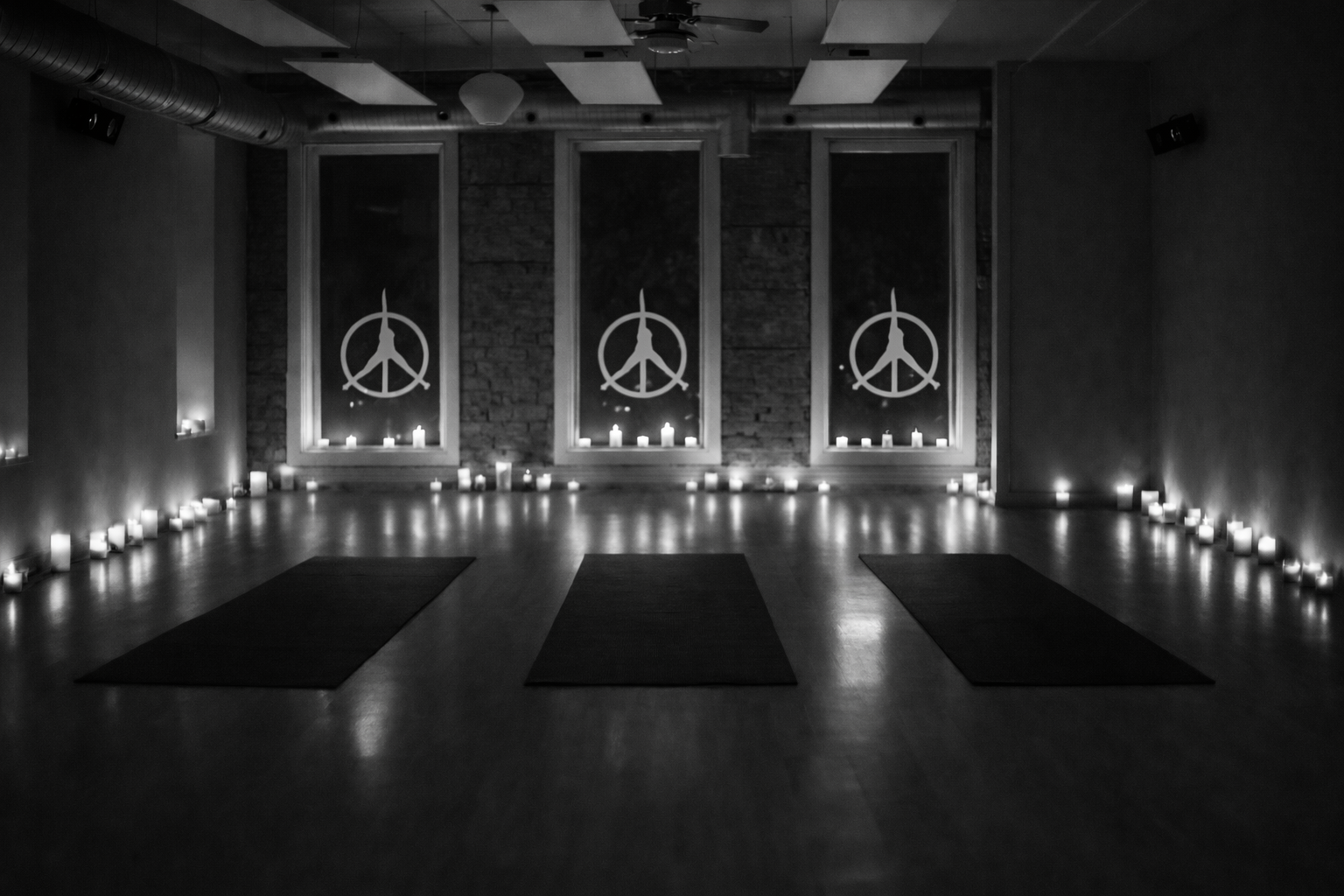
Hot yoga becomes homecoming when practiced as offering rather than achievement. Through heated Flow at Pure Yoga, awareness replaces force, community dissolves separation, body transforms from problem into sanctuary where presence alone suffices.