


“When it comes to diet, most people’s concerns involve weight loss, fitness, cardiac health, and longevity. But what we eat affects more than our bodies; it also affects our brains.”
— Dr. Drew Ramsey, Eat to Beat Depression and Anxiety (2021)
Dr. Drew Ramsey, a psychiatrist at Columbia University and pioneer in nutritional psychiatry, has spent decades researching what recovery communities have always sensed: what we put in our bodies shapes what happens in our minds. His work shows that depression, anxiety, and mental health challenges aren’t just chemical imbalances to medicate—they’re also conditions we can influence through the daily act of feeding ourselves.
Ramsey’s research reveals that diets high in ultra-processed foods are consistently linked to higher rates of depression and anxiety. Refined sugars drive inflammation, processed ingredients disrupt our gut microbiome, and nutrient-poor meals leave the brain without the raw materials it needs. The very neurotransmitters we chased through substances can be supported—or sabotaged—by what’s on our plate.
In active addiction, many of us fed ourselves like we were trying to forget we had a body. Speed, convenience, numbing—anything to avoid feeling. Early recovery often repeats the pattern: sugar for the high, caffeine for the crash, fast food because cooking feels impossible. Ramsey invites a different question: What if the brain that got us into trouble could be nourished back to health?
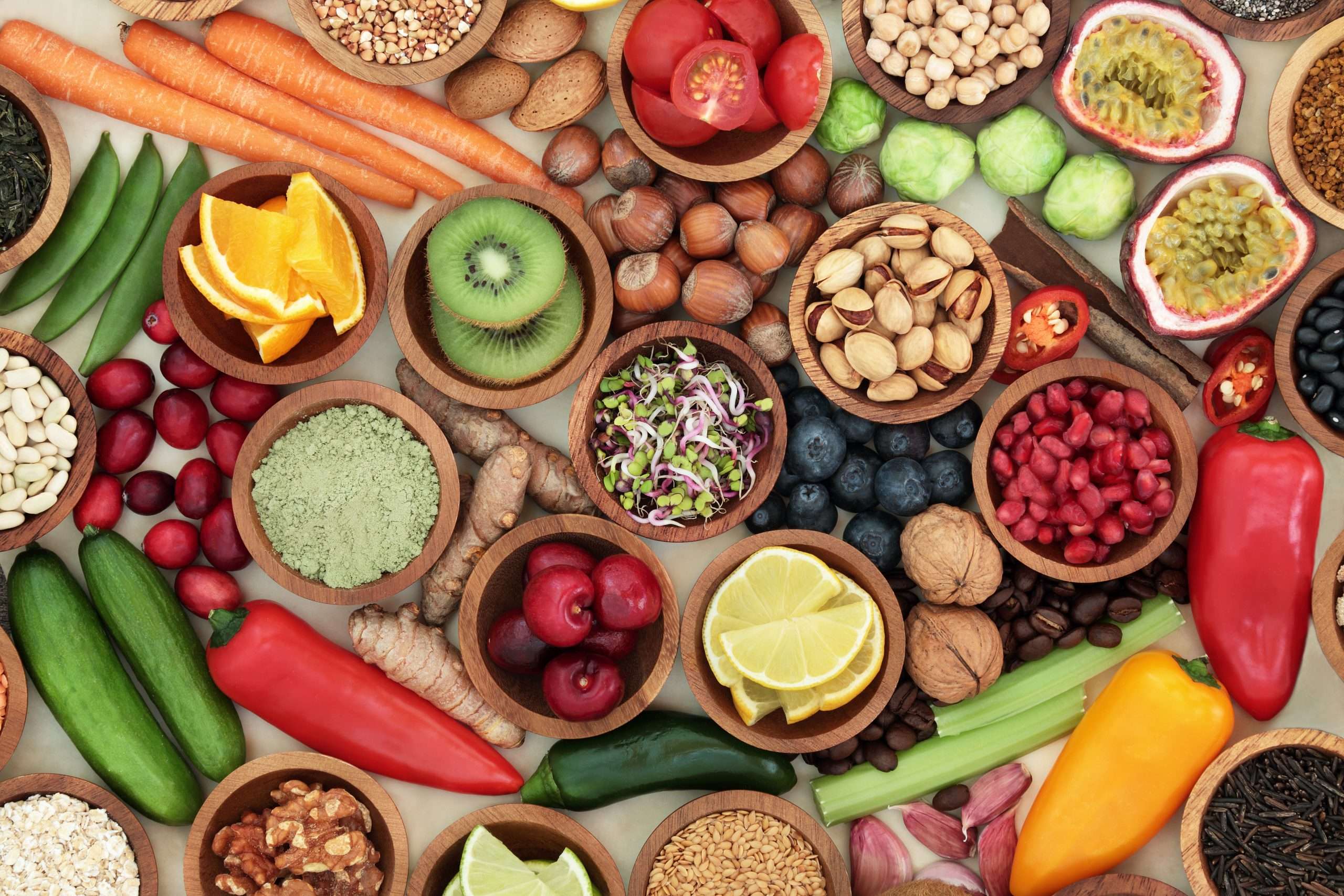
In his book, he identifies twelve essential nutrients—his “Big 12”—that research shows are critical for preventing and treating depression. He distills the science into a simple rhyme: “Seafood, greens, nuts, and beans and a little dark chocolate.” These aren’t trendy superfoods. They’re the building blocks the brain uses to produce neurotransmitters, reduce inflammation, and support the gut bacteria that regulate our mood.
His six-week plan asks us to add—not subtract—one food category each week: leafy greens for minerals and folate; colourful fruits and vegetables for anti-inflammatory phytonutrients; seafood rich in omega-3s; nuts and seeds for healthy fats and key minerals; and fermented foods to repair and diversify the gut microbiome. The final week is “love”—using food intentionally to strengthen connection, share meals, and rebuild community.
The goal isn’t perfection or deprivation. It’s helping the brain shift into what Ramsey calls “grow mode”—increasing neuroplasticity, calming inflammation, and supporting a healthier microbiome.
Recovery teaches us that we can’t think our way into right action, but we can act our way into right thinking. Choosing brain-healthy foods becomes part of that practice—a daily act of care for the mind we’re restoring. The body that carried us through using, that held our pain when we couldn’t, deserves more than survival mode. It deserves to be fed with the same intention we bring to our spiritual practice—with attention, gratitude, and the understanding that nourishment shapes possibility.
Where am I still feeding myself out of habit rather than intention?
What does my brain feel like when I eat nutrient-dense whole foods versus when I reach for processed convenience?
Am I using food to numb and avoid, or to nourish and sustain my mental health?
What would it mean to treat my meals as part of my recovery practice—a daily act of building mental fitness?