Join the mailing list
New AWAKENINGS in your inbox, along with occasional notes from the path.
Awakenings · page 23 of 30
-
Perfectionism disguises itself as protection but fuels shame and paralysis. Self-compassion—through self-kindness, common humanity, and mindfulness—offers freedom, grounding, and connection. Imperfections become openings for growth, courage, and light.
-
John McCrae’s “In Flanders Fields” offers the torch metaphor—freedom requires daily maintenance through service. Like veterans who served to protect freedom, those in recovery serve to stay free, honoring those lost by passing the light forward.
-
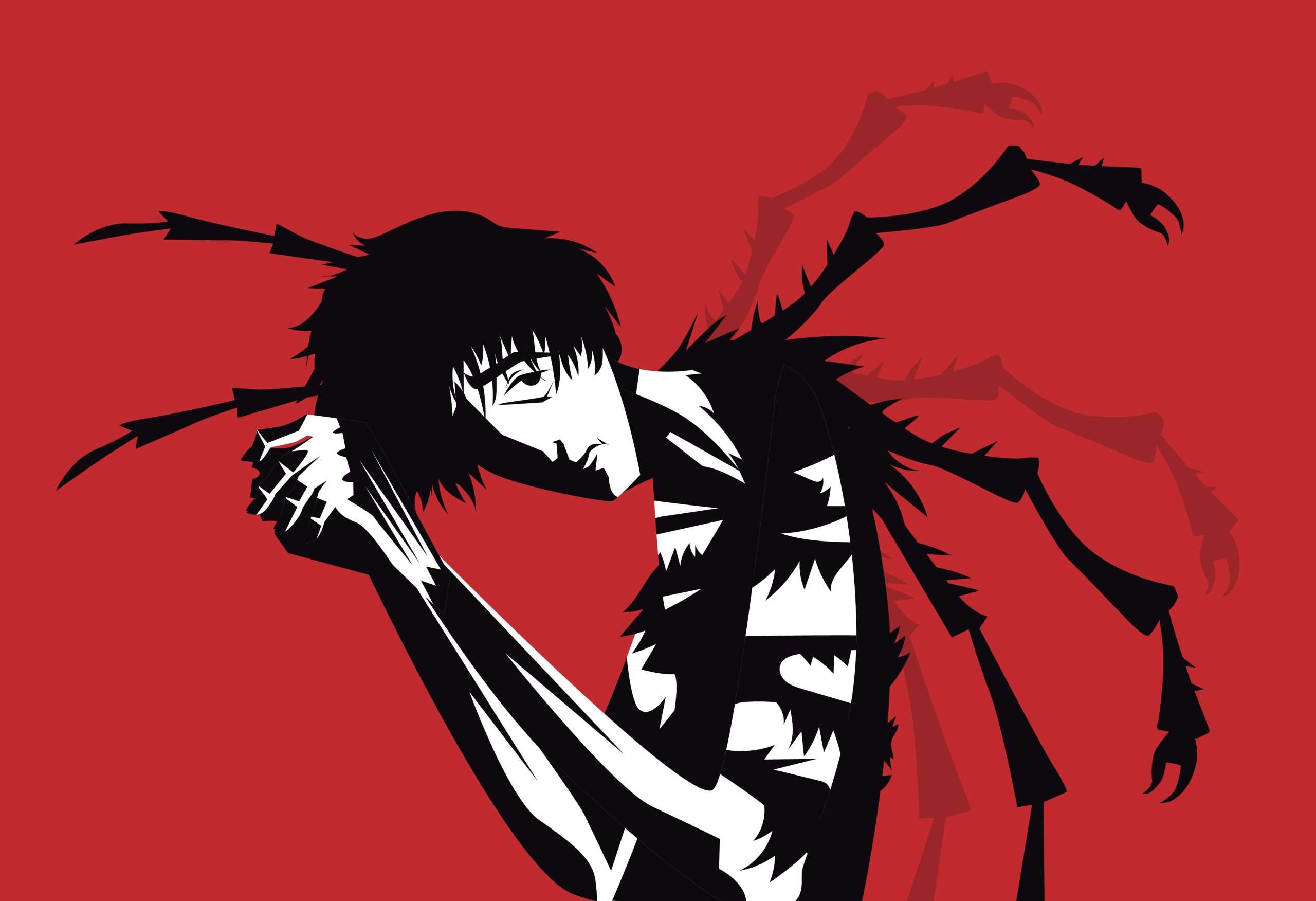
Kafka’s tale of inexplicable transformation captures the alienation of becoming unrecognizable to ourselves and others. The death of false identity isn’t tragedy but rebirth—the awkward work of learning to live authentically in an uncomprehending world.
-
Robert’s Rules protects democracy from domination by ensuring every voice is heard. Through structure—seconding motions, protecting minority rights, seeking substantial unanimity—12-step groups practice that collective wisdom emerges when we truly listen.
-
Tradition 11 protects recovery from becoming personality-driven. Marty Mann showed how to be visible in recovery without representing A.A., keeping the message larger than any messenger in our social media age.
-
Tara Brach’s RAIN technique offers a step-by-step practice for meeting difficult emotions with compassion. Like the 12 Steps, it teaches that healing comes not from eliminating pain but from changing our relationship to it.