

Spiritual life is first and foremost about commitment to a way of thinking and behaving that honours principles of inter-being and interconnectedness.
— bell hooks, All About Love: New Visions (2000)
In the chapter “Spirituality: Divine Love” in All About Love, bell hooks approaches spirituality not through doctrine, belief, or religious identity, but through the question of how people actually live. For hooks, spirituality is not defined by what someone claims to believe but by the way a person thinks and behaves toward others. It is a commitment to recognizing that lives are bound together, that human beings exist in relationship rather than isolation.
Her definition also leaves room for uncertainty. Spiritual life includes recognizing a place of mystery within human experience. There are moments when events unfold beyond the reach of personal will or desire. Circumstances shift in ways that cannot be controlled or fully explained. Different traditions have given different names to this dimension of life. Some call it God, some speak of soul or the Beloved, and others simply acknowledge that there are forces and connections larger than individual intention. No single explanation is required. What matters to her is the willingness to live with the awareness that life is not entirely self-directed.
That awareness, she suggests, naturally leads to a different way of relating to others. When we understand ourselves as connected, love becomes less of a feeling and more of a practice. Spiritual life then means acting in ways that recognize the dignity and reality of other lives. It means choosing behaviour that supports connection rather than domination or indifference.
hooks also warns about what happens when spirituality becomes purely private. In a culture that values individual achievement and personal improvement, spiritual language can easily be absorbed into the marketplace. It becomes something we pursue for personal fulfillment, often detached from responsibility to anyone else. Meditation, reflection, or belief may remain inward experiences, but they do not necessarily change how someone lives with others.
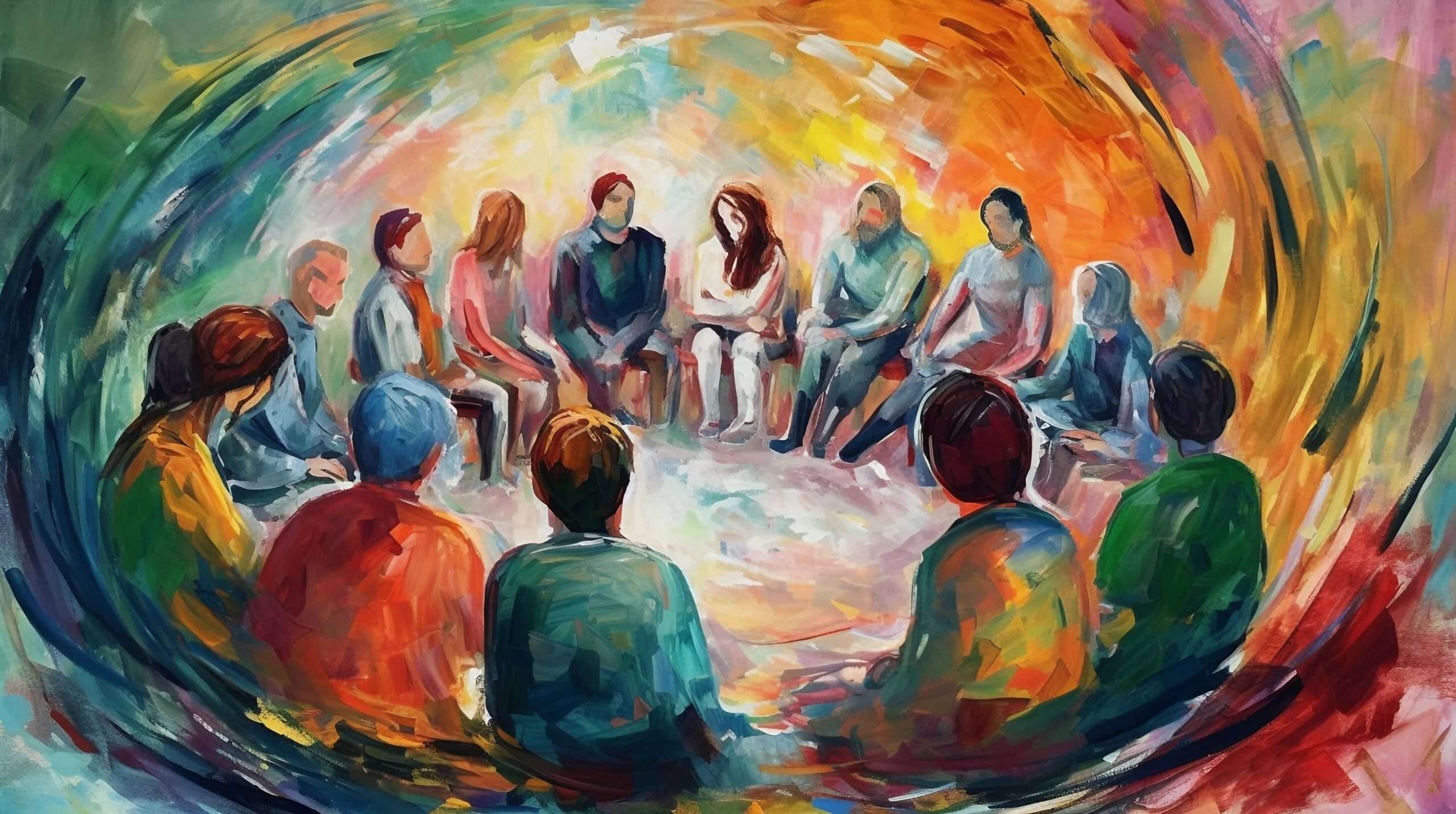
When spirituality is separated from community, much of its meaning is lost. If the idea of interconnectedness is taken seriously, then spiritual life cannot exist only inside the self. It must appear in relationships and in community. The recognition that lives are intertwined brings with it an obligation to act with care toward others. Spirituality becomes visible in the ways people listen, respond, support, and remain present to one another.
Many people have experienced harm or exclusion within institutions that claimed to represent love. At the same time, the mystical traditions within many faiths have long pointed toward a similar insight. Beneath doctrine and hierarchy lies the idea that love is the unifying force of life, and that living in love is a daily practice rather than a fixed identity. The institutions that surround these teachings may succeed or fail in embodying them, but the underlying insight remains.
Seen this way, spiritual life is not a destination for us. It is an ongoing practice that unfolds through ordinary actions. It appears whenever people choose to act in ways that reflect their connection to others. The awareness of mystery and interdependence does not remove the difficulties of life, but it can shape the way those difficulties are faced.
Awakening to love is itself a form of spiritual awakening. Recognizing that love is not merely an emotion but a way of living changes how we understand both spirituality and community.
Do I treat spirituality as private, or something lived with others?
When have I felt the mystery of life beyond my control?
How do I respond to the idea that my life is connected to others?
What ordinary actions in my day express love in practice?