


There were always in me, two women at least, one woman desperate and bewildered, who felt she was drowning and another who would leap into a scene, as upon a stage, conceal her true emotions because they were weaknesses, helplessness, despair, and present to the world only a smile, an eagerness, curiosity, enthusiasm, interest.
— Anaïs Nin, The Diary of Anaïs Nin, Vol. 1 (1931–1934)
Anaïs Nin kept a diary for over sixty years, from age eleven until her death in 1977. Her lifelong project was the examination of identity—who we are versus who we present ourselves to be. Long before recovery language existed, Nin identified the divided self: the actor who conceals desperation behind a polished surface. When she names these “two women at least,” she describes not a disorder but a survival strategy—the habit of manufacturing a version of ourselves while the real self drowns beneath the mask. She understood that we learn to hide long before we learn to use.
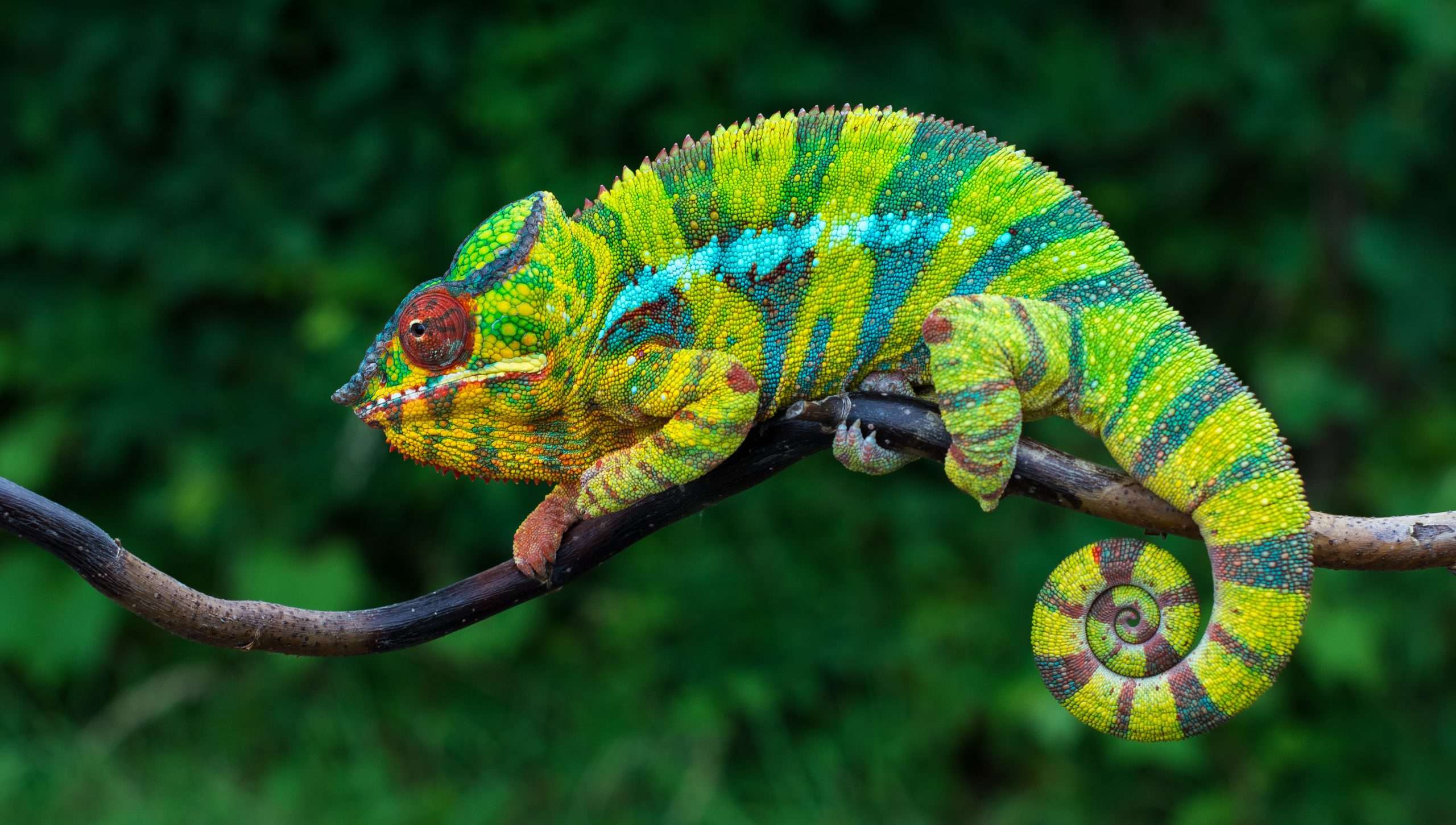
Addiction attaches itself to this pattern like water finding a crack. The chameleon learns early that changing colors gets results. We become charming to win approval, agreeable to avoid conflict, impressive to secure admiration. We shift shape not just to survive but to get what we want—attention, love, opportunity, control over how others perceive us. This can look like social intelligence. But over time we lose contact with our own preferences, needs, and truths. We no longer know what we actually think because we have spent so long calculating what will work. Substances do not create this pattern; they attach to it. They offer temporary relief from the emptiness underneath—the pain of never quite being enough—while the chameleon works harder than ever, adding new lies to cover the using, new colors to hide the consequences.
Twelve-Step recovery interrupts this pattern with a simple but terrifying requirement: honesty. The Fourth Step inventory is not interested in the polished facade; it asks us to examine who we became in order to get what we wanted. Where did we manipulate? Where did we present a false version of ourselves to control an outcome? Through this fearless self-examination, the chameleon is finally seen for what it is: a strategy that served its purpose but has outlived its usefulness. Honesty disrupts the reflex to shift colors. Open-mindedness allows us to question the old assumptions about what makes us safe or lovable. Willingness creates space for awkward, unpolished authenticity. As inner truth and outward behavior begin to align, something we might call integrity emerges—not perfection, but wholeness.
The impulse to adapt still surfaces—editing words before they leave our mouths, calculating what tone will get the best response, reading the room before deciding what to reveal. The practice is not to eliminate this reflex but to notice it. In that noticing lives a choice: manipulation or authenticity, camouflage or truth. Each small act of alignment restores what no disguise ever could—a self that does not shift with every audience, a life that finally belongs to us.
What version of myself do I present when I want something from someone?
Where does the chameleon in me still govern my choices?
What would it cost to let others see me as I am rather than as I calculate they want me to be?
What becomes possible when I stop changing colors?