

In many shamanic societies, if you came to a medicine person complaining of being disheartened, dispirited, or depressed, they would ask one of four questions: When did you stop dancing? When did you stop singing? When did you stop being enchanted by stories? When did you stop being comforted by the sweet territory of silence?
— Gabrielle Roth, Maps to Ecstasy (1989)
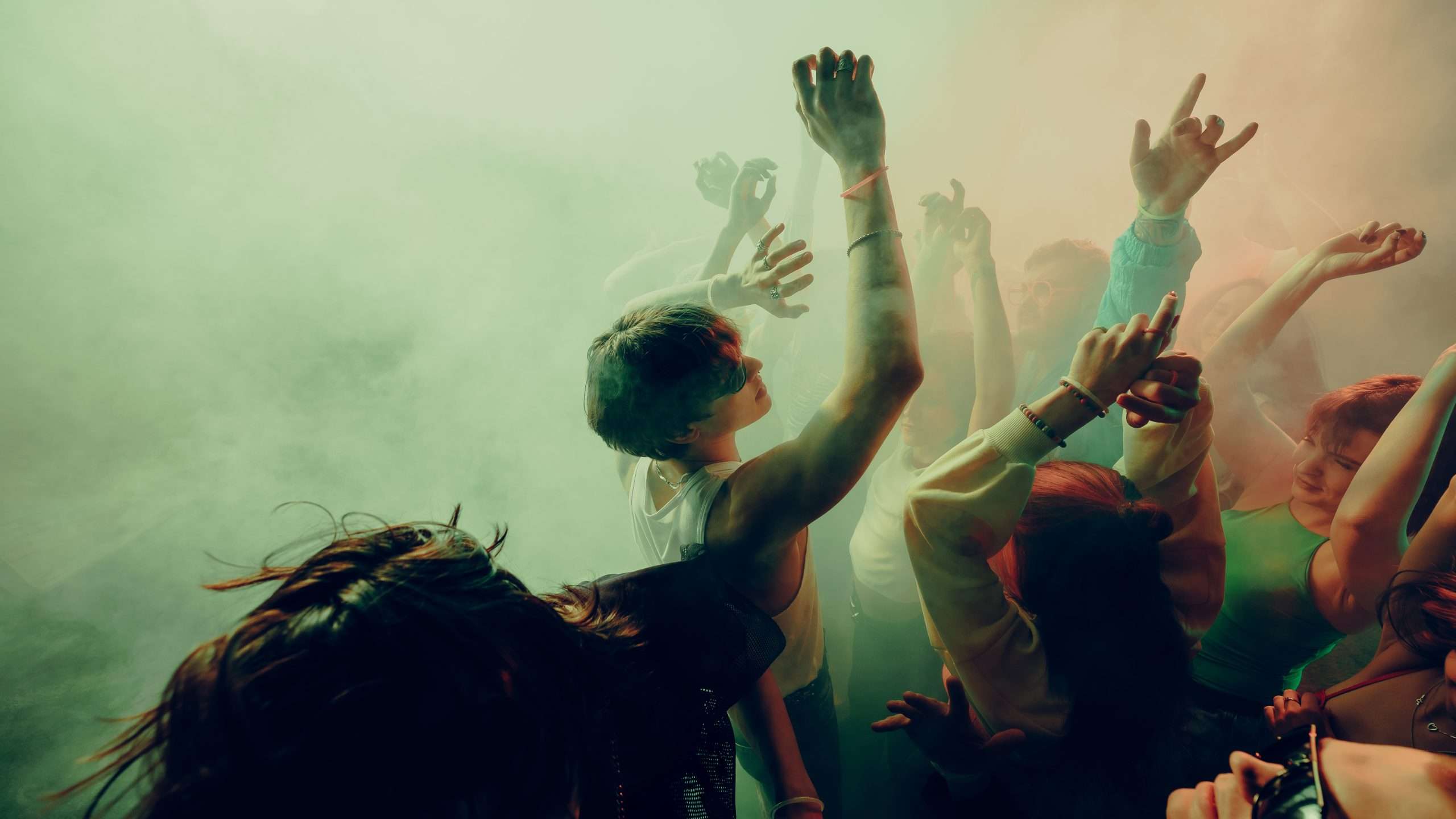
Last night I went to AWAKEN, a sober event here in Ottawa that weaves meditation, breathwork, ecstatic dance, and sound journey into one experience. The DJs blended organic house, tribal rhythms, techno, and ambient soundscapes into something that moved through me as much as around me. No alcohol, no substances. Just breath, sweat, rhythm, and a room full of people who chose to be present in their bodies.
Dancing has been my release for as long as I can remember. Even in my early twenties—my club kid days, moving to the beats of trance at Atomic—I never needed chemicals to lose myself in the rhythm. In fact, it was in the movement where I could find myself. I remember the late nights after the club, lying in bed listening to Paul van Dyk’s Seven Ways or BT’s ESCM—the melodic rise and fall felt like the frequency of the universe, and I was a part of it. Last night, I felt that same connection—my past and my present meeting on the dance floor. It’s always been medicine.
But something was different. Not the dancing, but the room. Sure, I was there with a few friends from the program, but most were just people, of all ages and backgrounds—humans who chose not to use. And standing among them, moving among them, I felt something I don’t always feel: I felt at home. Not the home of shared wounds, but the home of shared presence.
In recovery, we talk endlessly. We share in meetings, we journal, we call our sponsors. Words are essential—they break the isolation. But there are places words cannot reach. The tension lodged beneath the sternum. The clenched jaw holding decades of swallowed anger. The heaviness in the gut that has no name. In some healing circles, this is called miasmic buildup—the residue of everything we couldn’t process, everything we numbed instead of felt, everything the body stored when the mind said not now, not safe, not yet.
I went to AWAKEN carrying more than I knew. Somewhere in the movement, I located a sensation I’d been avoiding—a hard black mass in my chest, dense and familiar. Old shame. Old fear. The sediment of relationships where I disappeared, years where I forgot I had a body at all. But instead of running, I stayed. I brought attention instead of avoidance. Curiosity instead of judgment. And something shifted: the block I’d been resisting revealed itself as spacious. Not solid—just sensation. Not permanent—just passing through.
Gabrielle Roth, who created 5Rhythms and brought ecstatic dance into modern healing, taught that the fastest way to still the mind is to put the body in motion. That sweat is prayer. That rhythm is our mother tongue. When we stop moving, we lose more than fitness—we lose access to a channel of release the body desperately needs.
Among strangers who felt like my tribe, I let the miasma clear. Just a little. Just enough. And what remained wasn’t emptiness—it was space. I continue to learn that healing doesn’t only happen from the neck up. That breath is the bridge between body and mind—and movement is what ignites the fire that carries us across.
When did I stop dancing—and what was I trying not to feel?
Where in my body is old residue still waiting to be moved?
What opens when I trust movement as medicine?
Where might I find community outside the rooms that still holds space for my wholeness?