

Where there is little confidence, meth creates feelings of strength and power. Where there is fear, it creates assertiveness. Where there is a feeling of unworthiness, it creates a sense of narcissism that is, in itself, mood-altering. Where there is a feeling of not belonging, it creates connection without concern for age, physique, or wealth.
— Dr. David Fawcett, Lust, Men, and Meth: A Gay Man’s Guide to Sex and Recovery (2015)
In my case, meth didn’t start as a daily habit—it was a weekend ritual that began after a slow, escalating return to active drug use during COVID, a not so subtle response to the loneliness I felt during isolation. I convinced myself that it would be harmless: a hookup with someone who offered it, a night that felt electric and alive. I had spent years feeling unattractive, like I didn’t belong anywhere, carrying decades of unworthiness and shame. Meth erased all of that. It made me feel desired, confident, part of something. The drug was medicating wounds I hadn’t yet faced.
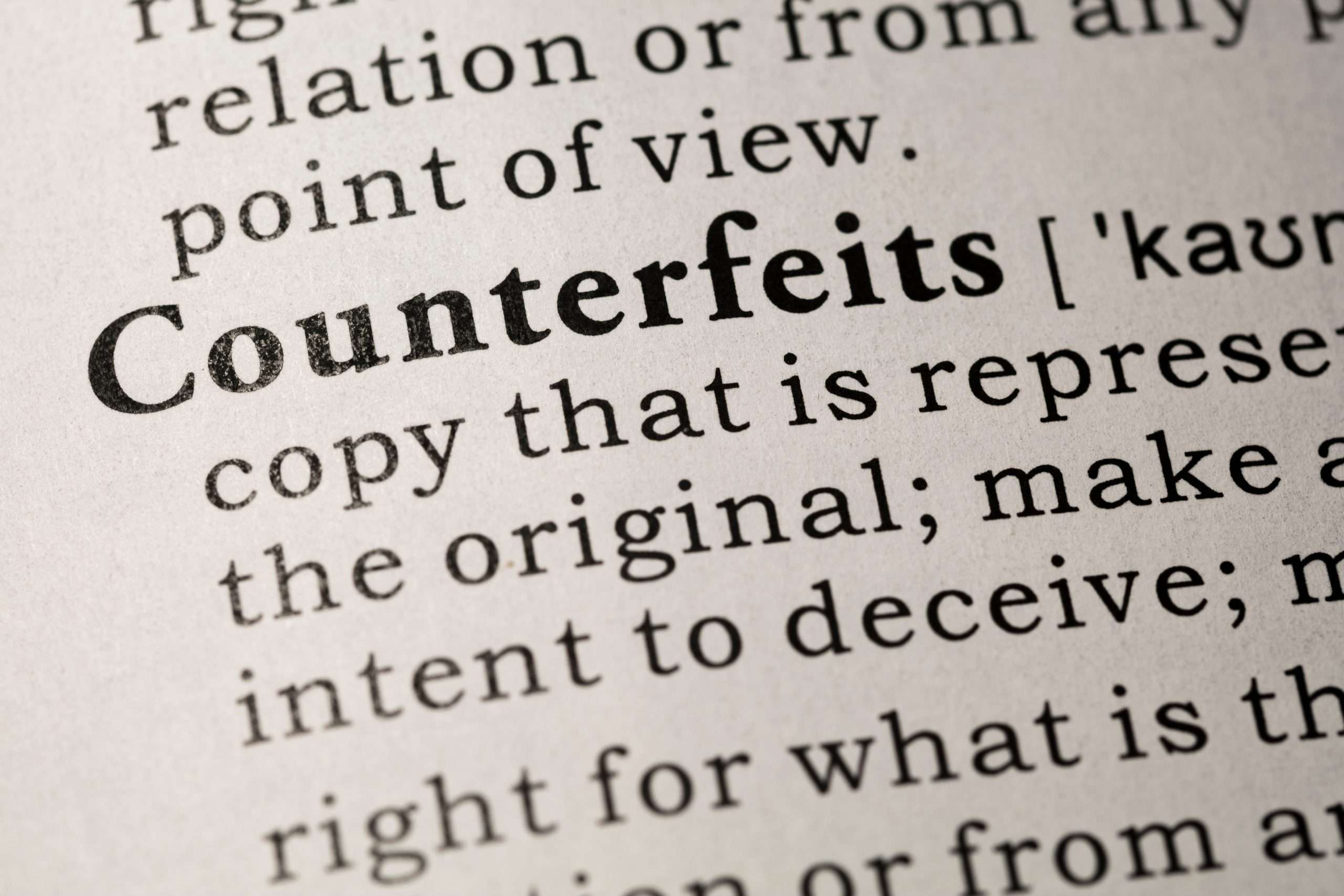
This is what addiction does, regardless of the substance or behaviour. It finds the empty places inside us and offers a counterfeit solution. For some of us, the high was never the point at all—it was the relief from what we’d been carrying. The ache of disconnection, the hum of anxiety, the weight of never feeling good enough. The promise to fill these voids. And for a moment, it does.
I’d tell myself I was just going to have a quiet evening alone, but then Friday would come. I’d be restless. The familiar whispers would start: Maybe just this once. Maybe I deserve it. It’s not that big of a deal. Deep down I knew better, of course, but my mind had already taken flight. That “one night” would spiral into a binge lasting days—no food, no sleep, no water—until, finally, mercifully, my body would shut down. By the time I came to, I’d be empty, ashamed, and cut off from myself and everyone else. The thing that promised connection delivered isolation. The confidence it gave was borrowed, and the interest rate was brutal.
Dr. Fawcett’s book changed my life. After struggling to find abstinence for several years, it was the first time I heard my story as a gay man, both in and out of active addiction, so clearly delineated. He connected the dots between my sexuality and drug use. The two had become inseparable. He explained how substance and behaviour can become fused, wired together so tightly that one triggers the other. Meth had hijacked my sexuality. By the end, I wasn’t chasing a high. I was fleeing pain.
Recovery asks us to face the original emptiness without anesthesia, and to find real answers to real wounds. Fawcett writes that the most important element is connection: not the synthetic kind our addictions provide, but the vulnerable, imperfect, human kind that asks us to show up as we are.
What was I trying to feel less of when I reached for relief?
What counterfeit solutions have I been reaching for?
What deeper connections is my recovery asking me to build?
What would it look like to transition from compulsion into authenticity?