

When the wind works against us in the dark,
And pelts with snow
The lower chamber window on the east,
And whispers with a sort of stifled bark,
The beast,
‘Come out! Come out!’—It costs no inward struggle not to go,
Ah, no!
I count our strength,
Two and a child,
Those of us not asleep subdued to mark
How the cold creeps as the fire dies at length,—
How drifts are piled,
Dooryard and road ungraded,
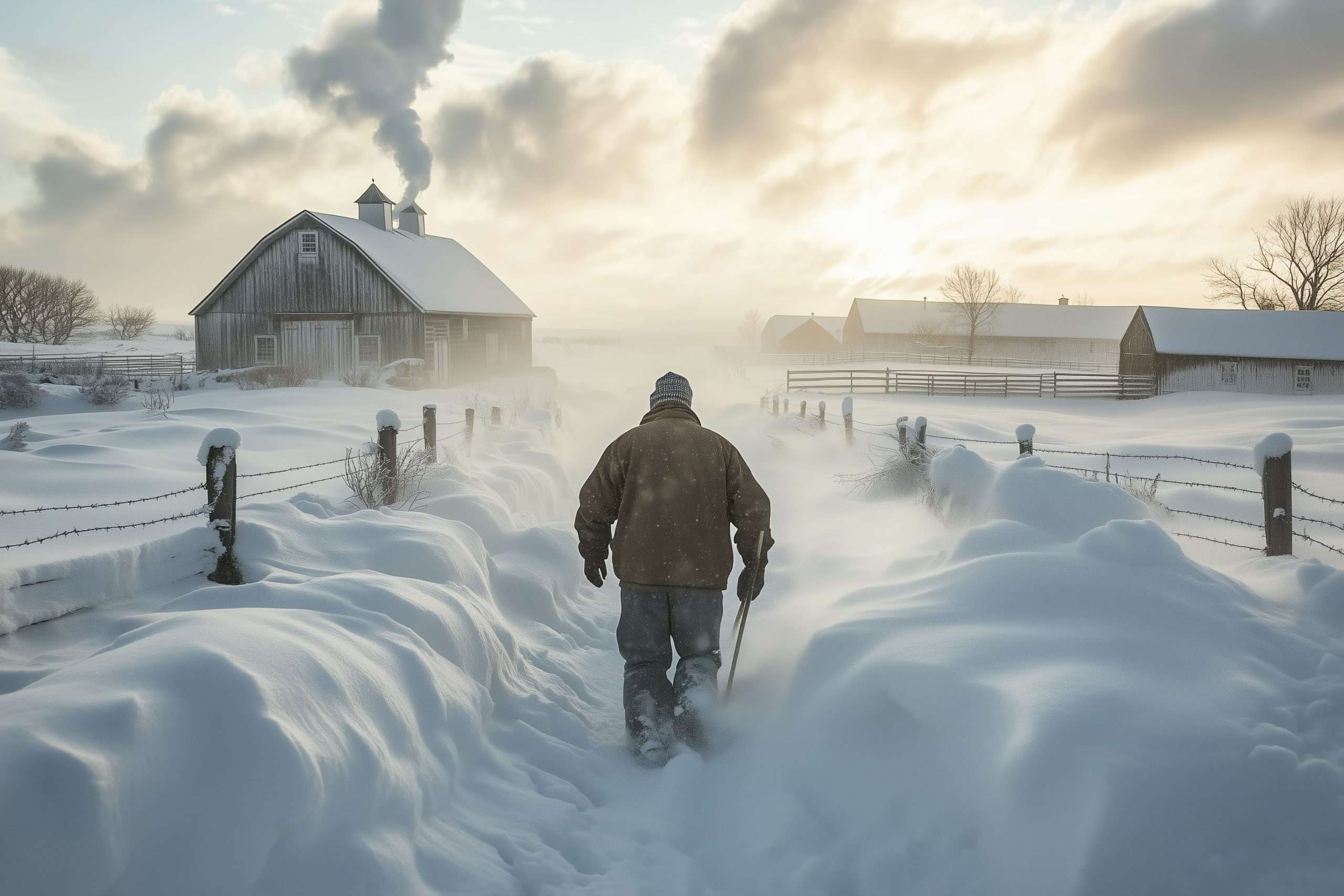
Till even the comforting barn grows far away,
And my heart owns a doubt
Whether ’tis in us to arise with day
And save ourselves unaided.
— Robert Frost, “Storm Fear,” A Boy’s Will (1913)
In the original table of contents, Frost offered a short gloss: “He is afraid of his own isolation.”
Isolation is where I go to die. Not always physically, but something in me starts to shut down. It starts small. I skip a meeting because I’m tired. I don’t return a call because I don’t feel like talking. I tell myself I need space, need rest. And maybe I do. But somewhere along the way, the space becomes a wall. The rest becomes hiding. The solitude becomes a trap.
The dangerous thing about isolation is that it feels like safety. I convince myself I’m protecting myself from judgment or from the exhaustion of being seen. But what I’m really doing is cutting off the very connections that keep me alive. And in that silence, the old voice returns. The beast whispers “Come out, come out.” It doesn’t shout. It invites, promising relief, knowing exactly where to find me when I’m alone.
I’ve relapsed more times from withdrawing than from anything else. Not from being around triggers, not from bad days at work, not even from grief, but from the slow drift away from people who know me. I start believing the lie that no one would understand, that I’m too much, that I should figure this out on my own. And by the time I realize what’s happening, the fire inside has almost gone out.
Frost’s family huddles together through the storm. They watch the cold creep in. They watch the drifts pile up until even the barn seems unreachable. And in the end, the speaker asks whether they can survive unaided.
The answer for me is no. It was always no.
I have learned I cannot save myself alone. The whole lie I tell myself when I withdraw is that I must do it alone, that reaching out is weakness, that the distance to help is too far to cross. But the barn is never as far as it looks. The phone is never as heavy as I make it. And the fire can always be rebuilt, but only if I let someone in.
Where am I isolating and calling it something else?
What connections have I let drift that once kept me grounded?
When the whisper comes, who can I reach for before I reach for something else?
What would it mean to stop believing I have to survive this alone?