

Our children live or die with or without us. No matter what we do, no matter how we agonize or obsess, we cannot choose for our children whether they live or die. It is a devastating realization, but also liberating. I finally chose life for myself.
— David Sheff, Beautiful Boy: A Father’s Journey Through His Son’s Addiction (2008)
There’s a particular kind of suffering that comes from loving someone who is actively destroying themselves. We watch, helpless, as they disappear into addiction. Some of us plead. Some bargain. Some stay awake at night running through scenarios. We become detectives, therapists, jailers, anything to stop what we cannot stop.
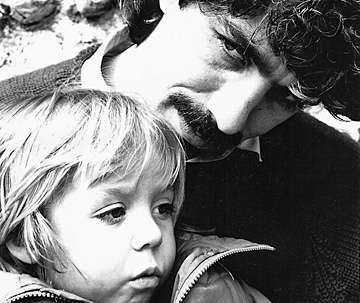
David Sheff writes with brutal honesty about loving his son Nic through meth addiction. He became, as he puts it, “addicted to my child’s addiction.” He was preoccupied to the point where it consumed him, even at the expense of his wife and other children. He justified it by asking how a parent could not be overtaken by a child’s life-or-death struggle. But this obsession didn’t help Nic. It may have harmed him. Or it may have been irrelevant to him entirely. What it certainly did was harm everyone else—and himself.
Sheff admits he fantasized about erasing every memory of Nic from his brain. He wished for something like a lobotomy to stop the slide show of images, worst-case scenarios looping in his mind. At his worst, he even resented Nic because someone using, at least when high, has a momentary respite from suffering. There is no similar relief for those who love them.
In Al-Anon meetings, Sheff heard the Three Cs: “You didn’t cause it, you can’t control it, you can’t cure it.” He couldn’t always believe them. Part of him continued to blame himself, searching for what he might have done differently. The self-recrimination was relentless, worse than any external judgment. And yet by the end, he came to accept the last two. He realized he had done everything he could.
A counsellor told families that if their child had cancer, support would flood in. The stigma of addiction silences people. We deny the severity of a loved one’s problem not because we’re naive, but because we can’t know. How do we assess what we cannot see? How do we measure destruction happening behind closed doors, in bloodstreams, in the architecture of a brain? We live in the uncertainty.
Sheff played a game with his daughter using a children’s book about luck and misfortune. His own version looped in his head. Fortunately I have a son, my beautiful boy. Unfortunately he is in addiction. Fortunately he is in recovery. Unfortunately he relapses. Fortunately he is in recovery again. Unfortunately he relapses. Fortunately he is not dead.
One day, Sheff realized he’d been terrified of losing Nic, but he’d already lost him. Nic was absent. Only his shell remained. The person was still breathing, but they were already gone.
Through the unbearable repetition of relapse and recovery, Sheff arrived at a soul-shaking lesson. He accepted that Nic would decide for himself how, and whether, he would live his life.
We all know someone—a child, a parent, a partner, a close friend from the rooms, who has struggled, who perhaps went back out, who seems hopeless. Some will make it. Some won’t. We should never give up hope—for recovery can and does happen every day. But we don’t have to die alongside them in the waiting. We can choose life for ourselves and in doing so, become the kind of steady presence that might actually matter, if they ever decide to reach for help.
Nic Sheff has been living in long-term recovery since 2011.
What illusion of control am I still clinging to with someone I love?
Where might letting go actually create space for something new to grow?
What would it look like to choose life for myself today, regardless of what someone else chooses?
How might my own recovery offer the steadiest invitation to those still struggling?