Join the mailing list
New AWAKENINGS in your inbox, along with occasional notes from the path.
Awakenings · page 16 of 30
-
Van der Kolk says trauma shuts down imagination—without it, there’s no hope, no future to picture. You can’t argue someone out of despair with logic. But a glimpse of something different can flicker the imagination back on.
-
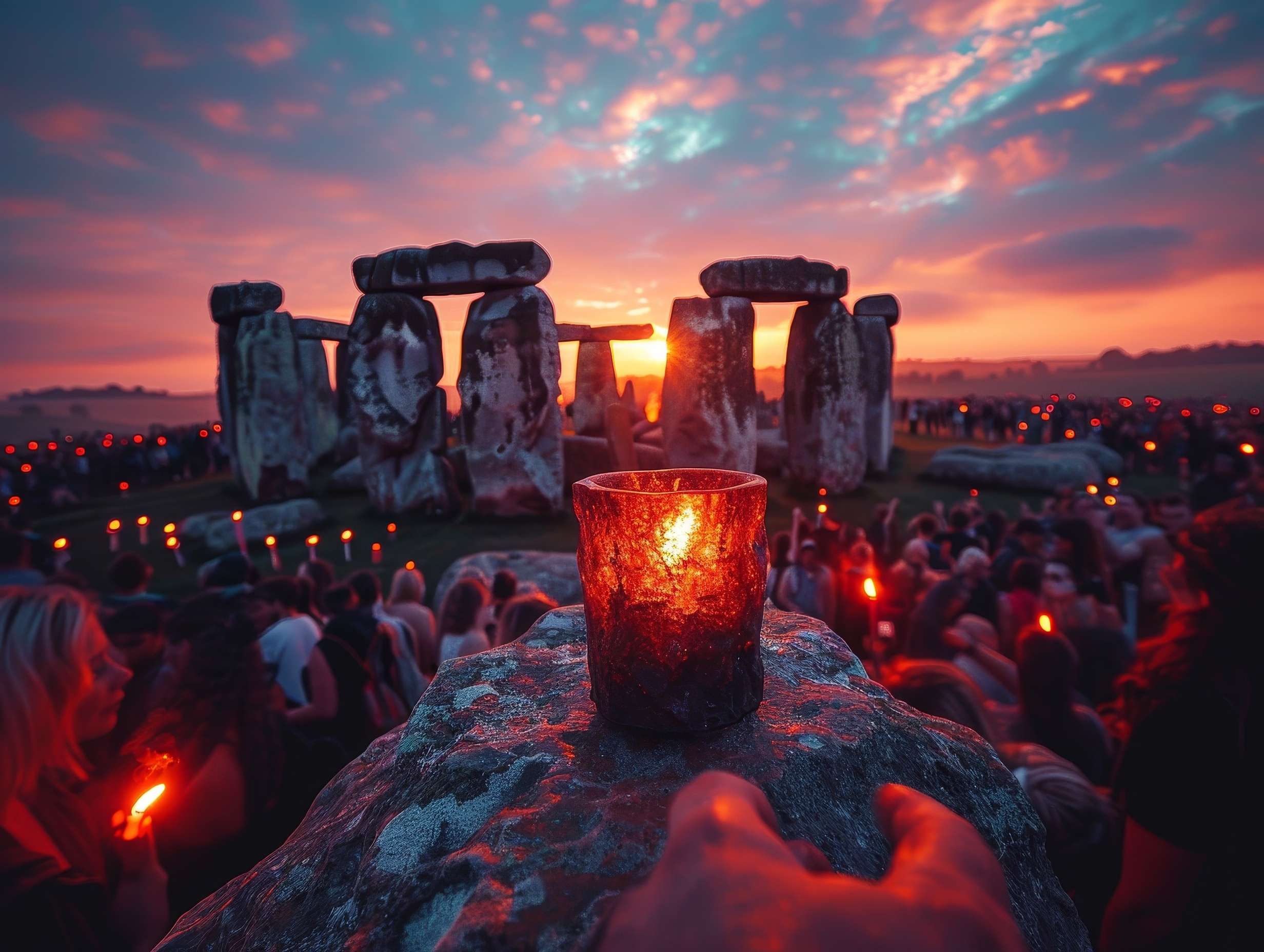
Sociologist Émile Durkheim observed that gathering generates a kind of electricity. From Stonehenge to midnight mass to rooms full of folding chairs, sacred spaces are made holy not by architecture but by the act of showing up together.
-
Diane Poole Heller frames trauma as broken connection. Understanding the four attachment styles—secure, anxious, avoidant, disorganized—helps those in recovery recognize survival patterns and discover that reconnection is possible. We are fundamentally designed to heal.
-
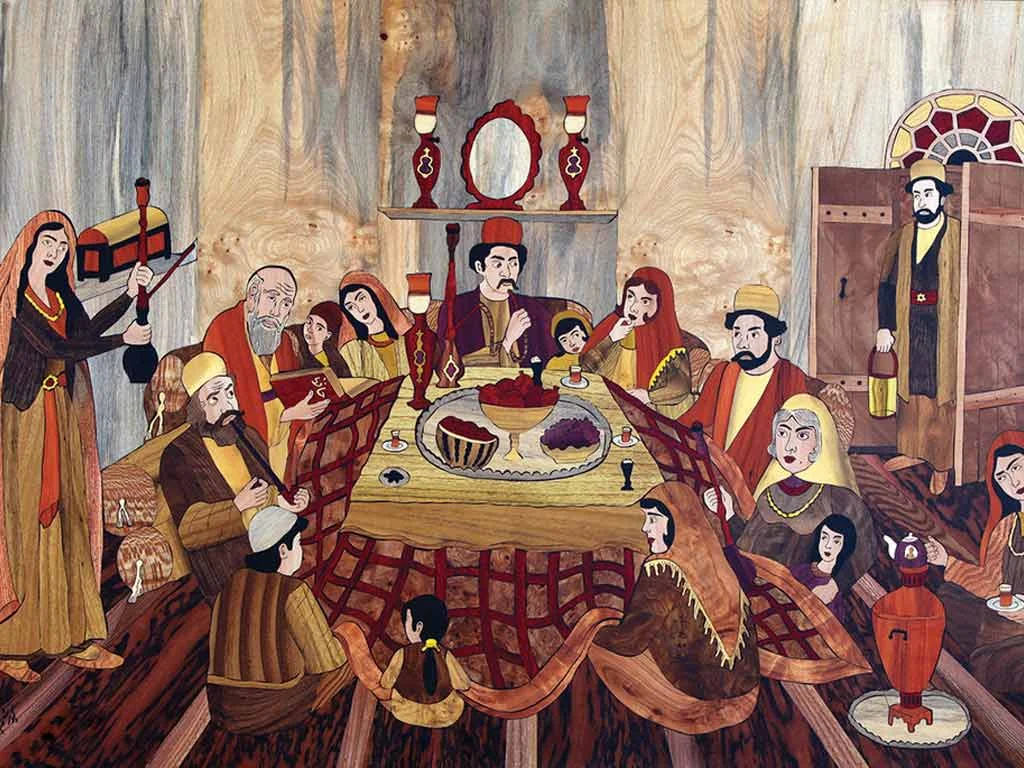
Yalda, the ancient Persian winter solstice, teaches that darkness is not meant to be slept through but sat with, together. For seven thousand years, people have gathered, lit candles, and trusted: the night always ends.
-
“Do the next right thing” sounds self-evident, but that inner compass only steadies over time. Through service, saying yes, and letting people in, the needle stops spinning inward and finally points toward others—and toward belonging.
-
Ephesians’ instruction to “be angry but do not sin” isn’t a warning against anger—it’s a caution against self-deception. When anger goes unacknowledged, it transforms into resentment. Harriet Lerner and the Fourth Step both point to the same truth: what we listen to moves; what we bury hardens.