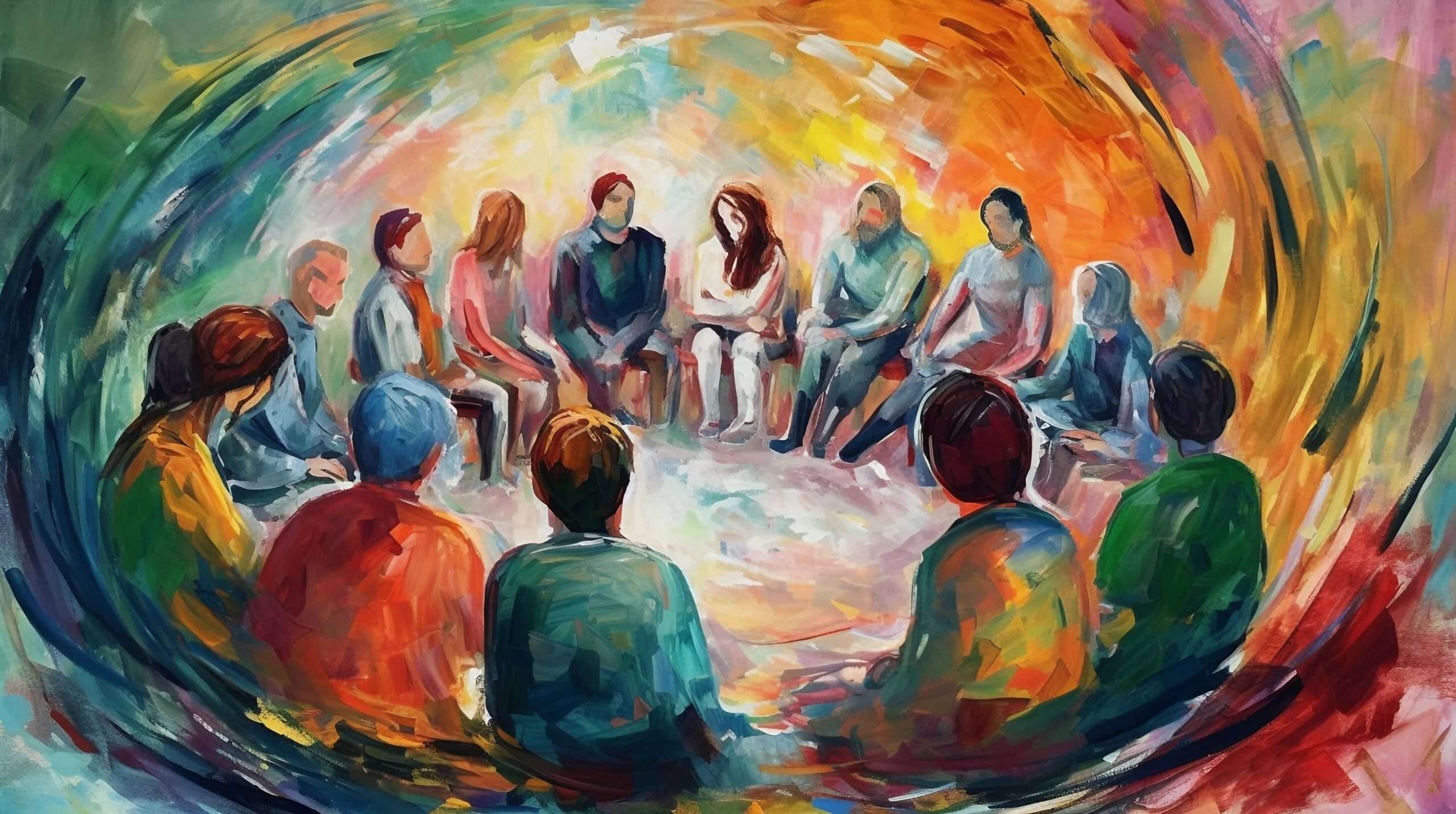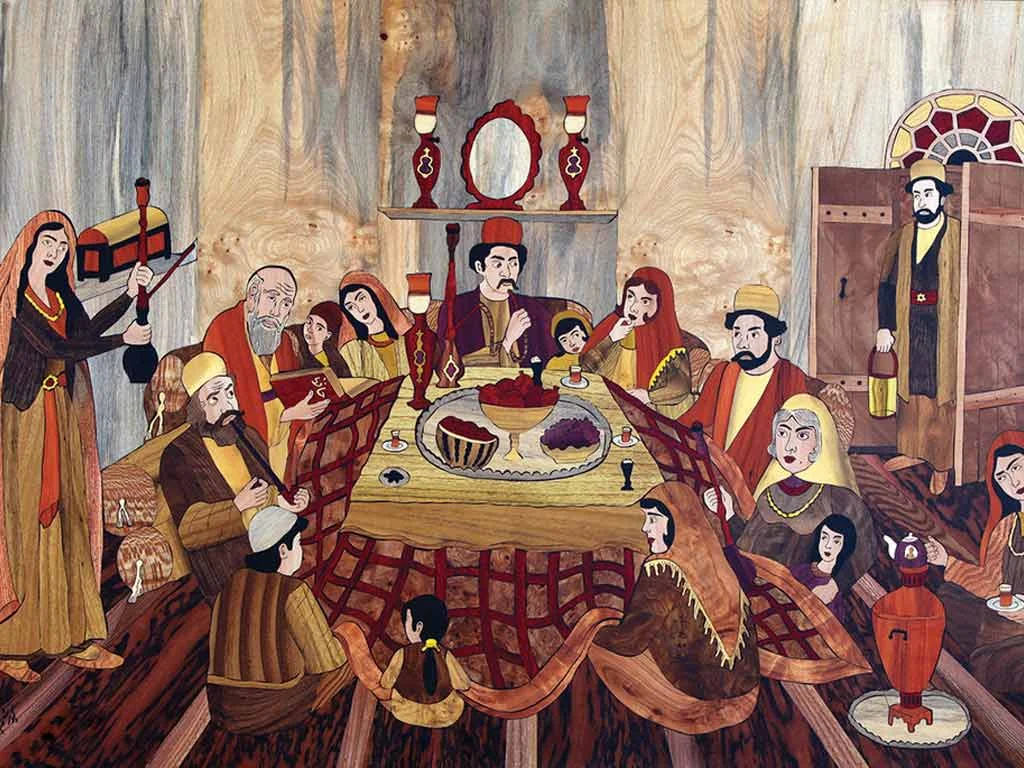


The very fact of congregating is an exceptionally powerful stimulant. Once the individuals are gathered together, a sort of electricity is generated from their closeness and that quickly launches them to an extraordinary height of exaltation.
— Émile Durkheim, The Elementary Forms of Religious Life (1912)
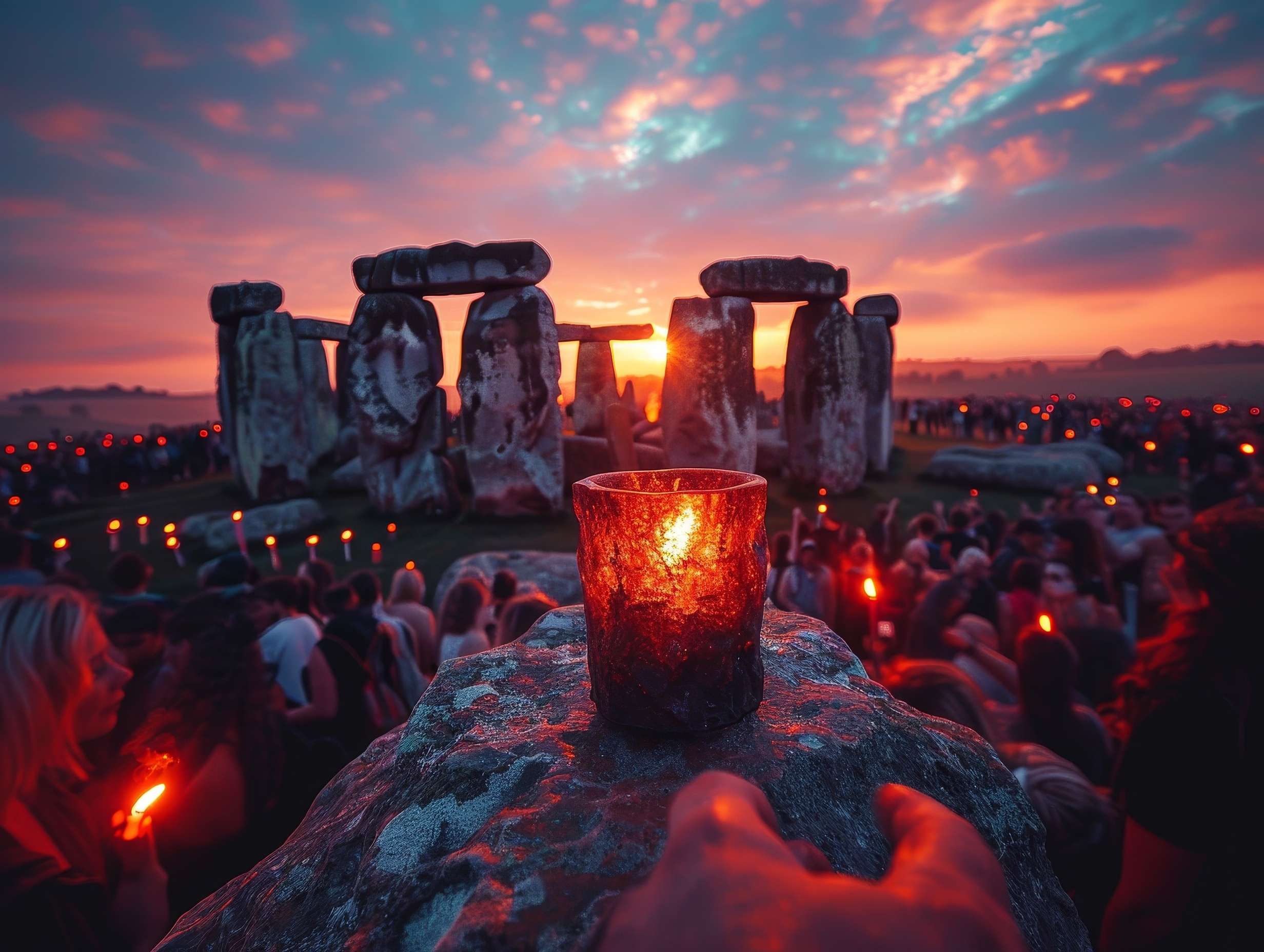
Thousands congregated at Stonehenge this week for the winter solstice, just as humans have done for five thousand years. The Neolithic peoples who built it hauled those massive stones across two hundred and fifty kilometres not to create a monument to be admired alone, but to mark a place where community could assemble at the turning of the year. The stones themselves are not what made it sacred. The gathering did.
The word sacred comes from the Latin sacer, meaning “set apart.” But set apart for what? Across cultures and millennia, the answer has been the same: for gathering. The word holy comes from the same Old English root as healthy and whole. Perhaps community is what makes us whole.
As a child, I would travel to my grandparents’ farm in rural Quebec for the holidays. We would dress in our finest and join our extended family and neighbours for Christmas mass. The little church would be standing room only. Afterward, we would linger, catching up with people we only saw once a year. This same old building would bear witness to the members through every threshold of their lives—birth, coming of age, marriage, death. And during each one, we came together. The architecture was beautiful, but it was not what made it holy. We did.
This happens all over the world, in mosques and temples and synagogues, in longhouses and medicine circles, in rooms full of folding chairs. Wherever humans have marked time, they have built places to gather. And wherever they have gathered, they have called those places holy. There is no society that does not need, at regular intervals, to come together to strengthen the feelings and ideas that hold it together. As Durkheim remarked, this remaking can only happen through assembly—through pressing close to one another and reaffirming what we share.
For me, the rooms of the fellowships have become my sacred spaces—the places where we celebrate milestones, where newcomers are welcomed with open arms, where we share our triumphs and our griefs, where we retell the stories and repeat the words that unite us. In these rooms, something happens that I cannot create alone. Surrounded by others who share a common purpose, I become capable of honesty, vulnerability, and hope. I am reminded that I belong to something larger. That deep idea, buried inside me, stirs awake: I am not separate. I am part of a living whole. And when the meeting ends and I walk back into ordinary life, I carry the height to which I have been raised.
Sacred spaces do not require stained glass or stone circles. They require only a willingness to show up, to witness one another, to set apart a time and place where something beyond the ordinary can occur. The sacred is not in the walls. It is in the gathering itself. It is what happens when we stop running and sit down together, when we listen, when we are seen.
What places have become sacred to me through the act of gathering?
Where do I feel held by something greater than myself?
How might I contribute to making the spaces I enter feel sacred for others?
What would it mean to show up today, not for myself alone, but to be present for someone who needs to be seen?