

Your lost Joseph will return to Canaan, do not grieve
This house of sorrows will become a garden, do not grieveOh grieving heart, you will mend, do not despair
This frenzied mind will return to calm, do not grieveWhen the spring of life sets again in the meadows
A crown of flowers you will bear, singing bird, do not grieveIf these turning epochs do not move with our will today
The spheres of time are not constant, do not grieveDon’t lose hope, for awareness cannot perceive the unseen
Behind the curtains hidden scenes play, do not grieveOh heart, should a flood of destruction engulf the world
If Noah is at your helm, do not grieveAs you step through the desert longing for the Ka’aba
The thorns may reproach you, do not grieveHome may be perilous and the destination out of reach
But there are no paths without an end, do not grieveHafez, in the corner of poverty and loneliness of dark nights
As long as your words are prayers and lessons of Quran, do not grieve
— Hafez, “Do Not Grieve” (14th century)
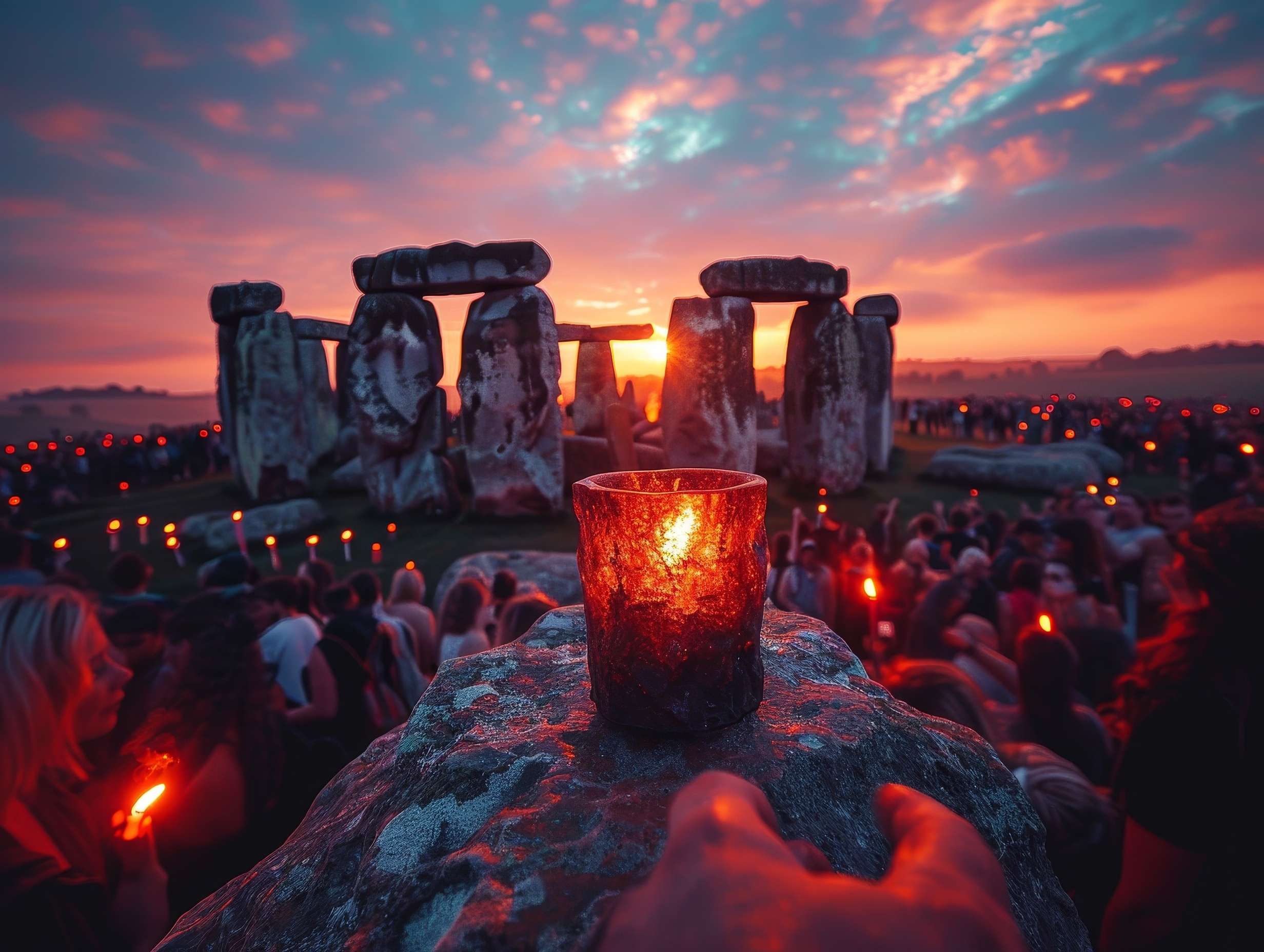
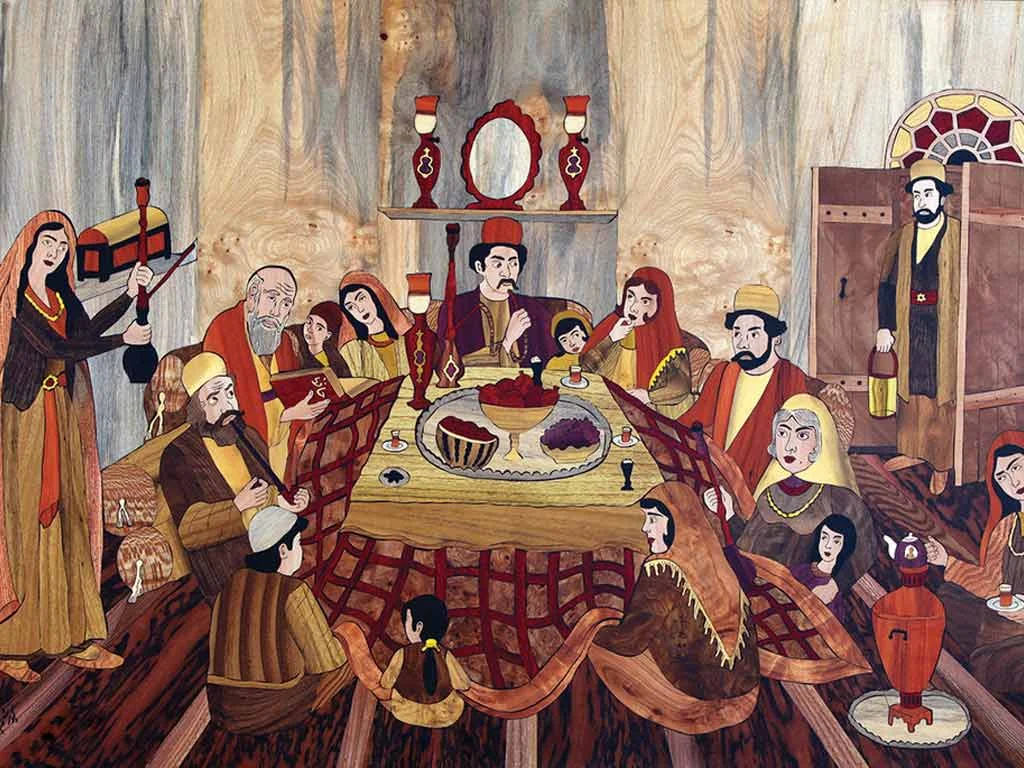
Yalda is the ancient Persian celebration of the winter solstice, the longest and darkest night of the year. For over seven thousand years, families across Iran, Afghanistan, Tajikistan, and the Kurdish regions have gathered on this night to stay awake together until dawn. They light candles, share pomegranates and watermelon, tell stories, and read poetry. The word “yalda” comes from the Syriac word for “birth”—the night when light is reborn.
Hafez, the beloved 14th-century Persian poet, is central to Yalda celebrations. Families practise “Fal-e Hafez”—opening his collected poems to a random page and trusting whatever verse appears holds guidance for the year ahead. His poem “Do Not Grieve” speaks directly to the spirit of the night: the grieving heart will mend, the frenzied mind will return to calm, the lost will return, the house of sorrows will become a garden, paths that seem endless do have an end.
The Zoroastrians believed the forces of darkness were strongest on this night, so people stayed close to one another. They didn’t sleep through it or numb themselves against it. They sat with it, together, trusting that morning would come even when they couldn’t yet see it.
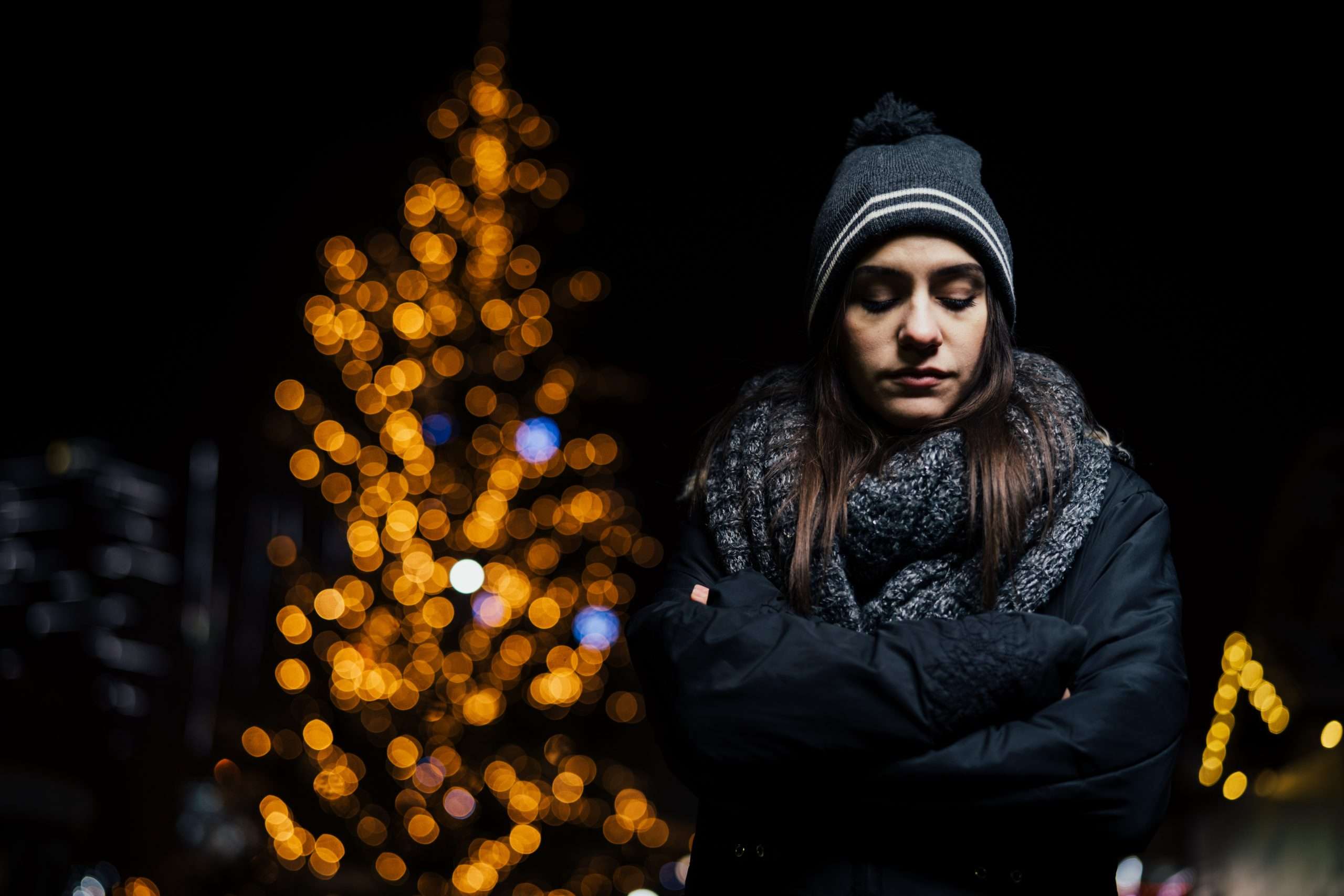
We know darkness. We know what it is to sit in a night so thick we cannot imagine dawn. We know the temptation to disappear until it passes. But we go to meetings when the night feels endless. We call someone when we cannot see the way forward. We gather in church basements and community centres and living rooms to read words that have carried others through. The darkness is not a mistake—it is the necessary passage before rebirth. We don’t pretend it isn’t real. We simply refuse to face it alone.
The first morning after the solstice is known as Khorram Ruz, the “day of joy.” Wherever you are, the darkness has turned. There will be a little more light today. And more tomorrow. This is the promise Yalda has kept for seven millennia: that the night, however long, is not the end. It is only the passage. The sun has been reborn.
What darkness am I trying to sleep through instead of sitting with?
Who are the people I can gather with when the night feels endless?
Where have I already survived a night I thought would never end?
What light is being born in me that I cannot yet see?