

We write these words now, many miles distant from the spot at which, year after year, we met on that day, a merry and joyous circle. Many of the hearts that throbbed so gaily then, have ceased to beat; many of the looks that shone so brightly then, have ceased to glow; the hands we grasped, have grown cold; the eyes we sought, have hid their lustre in the grave; and yet the old house, the room, the merry voices and smiling faces, the jest, the laugh, the most minute and trivial circumstances connected with those happy meetings, crowd upon our mind at each recurrence of the season, as if the last assemblage had been but yesterday.
— Charles Dickens, The Pickwick Papers (1837)
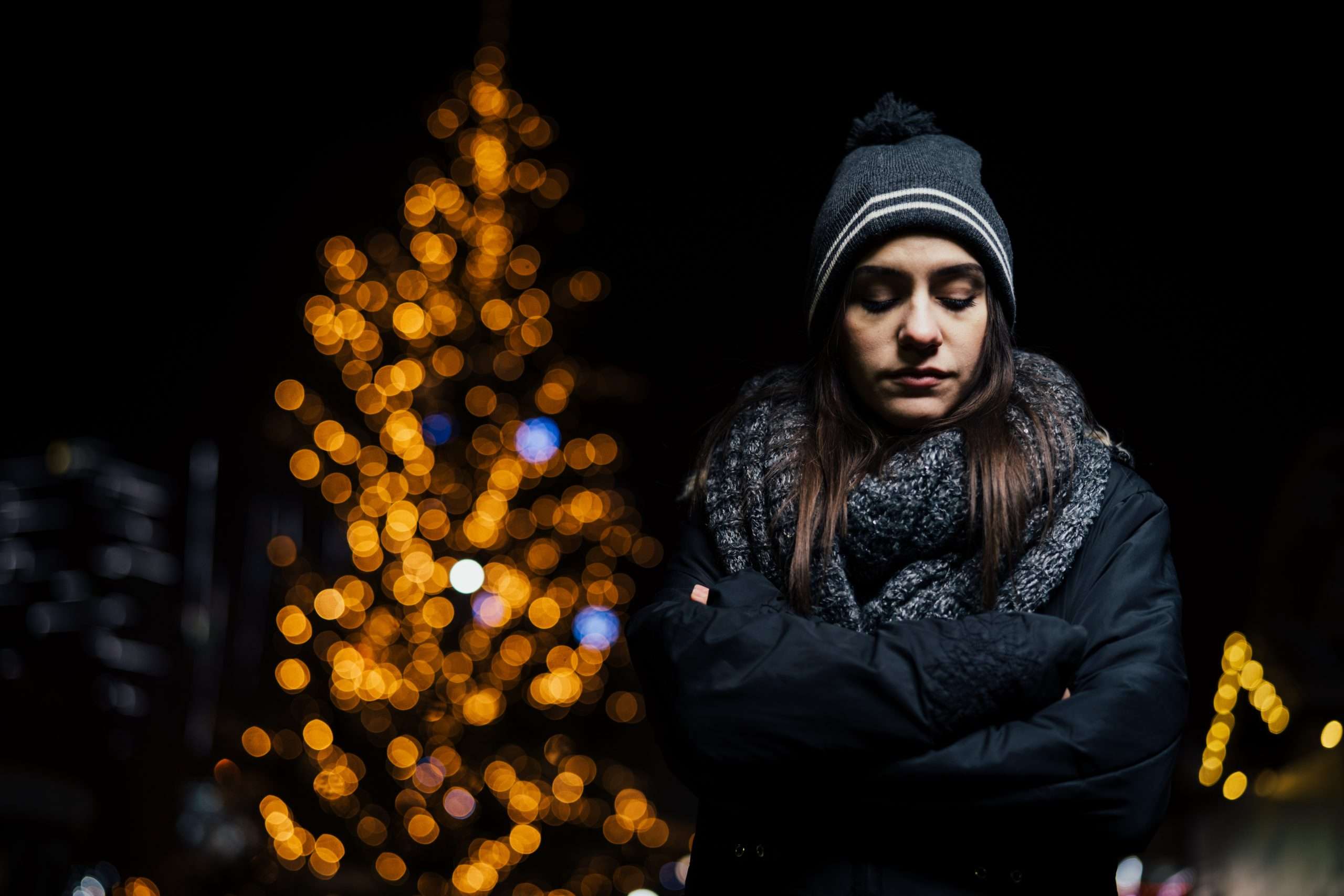
For many of us in recovery, the holidays can feel like walking through a minefield. Everyone around us seems to be drinking, reminiscing about times we’d rather forget, and measuring joy in ways we can no longer participate in. The pressure to be festive when we’re just trying to stay alive is its own kind of weight.
For me, the holidays carry their own uncomfortable thoughts. They bring back Christmas past—memories of people no longer here, of a simpler time in childhood before all the drama I’ve lived through. They also remind me of the Christmases I missed, the family gatherings I wasn’t present for because of my addiction. The season becomes a kind of time travel, pulling me back to what was and who’s gone, to the shame of what I did and didn’t do, even as the world insists I celebrate.
This is why events like the Alkathon and In From the Cold exist. In Ottawa and in cities across the world, recovering people gather together. Back-to-back meetings, coffee and food and faces that have seen some of the same darkness. But it’s more than refuge—it’s an opportunity to give back, to feel part of something larger than ourselves. For newcomers and long-timers alike, it offers a space to feel safe and at home. When the rest of the world is toasting with champagne, we toast with fellowship. When family dinners feel unsafe, we find a different kind of family—one built on shared experience.
Sometimes, though, we need to venture into situations that bring unwanted emotional anxiety or pain. We show up at the family dinner because it matters to someone we love, or because we’re trying to rebuild a relationship. In those moments, preparation becomes everything. We identify our triggers and decide in advance how we’ll handle them. We bookend hard events with calls to a sponsor. We keep our phone charged and a sober friend on standby, or even invite them to come with us.
Once we’re there, we give ourselves permission to take care of ourselves. Step outside for air. Take a walk around the block. Sit with the one person who feels safe. We learn to take deep breaths before responding. We don’t have to explain our recovery, defend our choices, or engage with every uncomfortable comment. And showing up doesn’t mean staying until the end—sometimes an hour is enough, sometimes thirty minutes is a victory. Saying no isn’t weakness. Walking away isn’t failure. Sometimes the bravest thing we can do is leave early.
We don’t get through the holidays by becoming invincible. We get through by staying connected. The season will end. January will come. And we will still be here—present, and maybe a little wiser.
What support do I need to line up before the next difficult moment arrives?
Who are the people I can reach out to when isolation starts to whisper?
How can I be a lifeline for someone else who is struggling today?
What does “surviving” the holidays look like for me this year—and is that enough?