

“The medium is the message.”
— Marshall McLuhan, Understanding Media: The Extensions of Man (1964)
McLuhan understood that the way a message gets delivered matters more than the words themselves. The Canadian media theorist spent his career studying how technologies reshape human consciousness. The printing press didn’t just spread ideas—it changed what kinds of thinking were possible. Television didn’t just show us the news—it rewired how we process reality. The medium shapes us, massages us, restructures our nervous system in ways the content alone never could.
In recovery, we rightly honor the literature. Our basic texts give us language and direction. They show us we’re not alone and that others have walked this path before us. The literature is itself a medium, and a powerful one. In the early days, the book Alcoholics Anonymous was designed to work alone when it had to, reaching people by mail in places where no meetings existed. Someone in a remote town would read it, get sober, and then use that same book to start a meeting in their own community. The static medium became the seed for living mediums—the book carried the message until people could carry it to each other face-to-face. And for some, it still does.
But there’s a difference between the static medium of the page and the living mediums of fellowship. The same passage we’ve read a hundred times hits differently when someone shares it from the gut in a meeting. Understanding the steps intellectually isn’t the same as working them with a sponsor who asks the uncomfortable questions. Our basic texts give us the framework—but the living mediums rewire us.
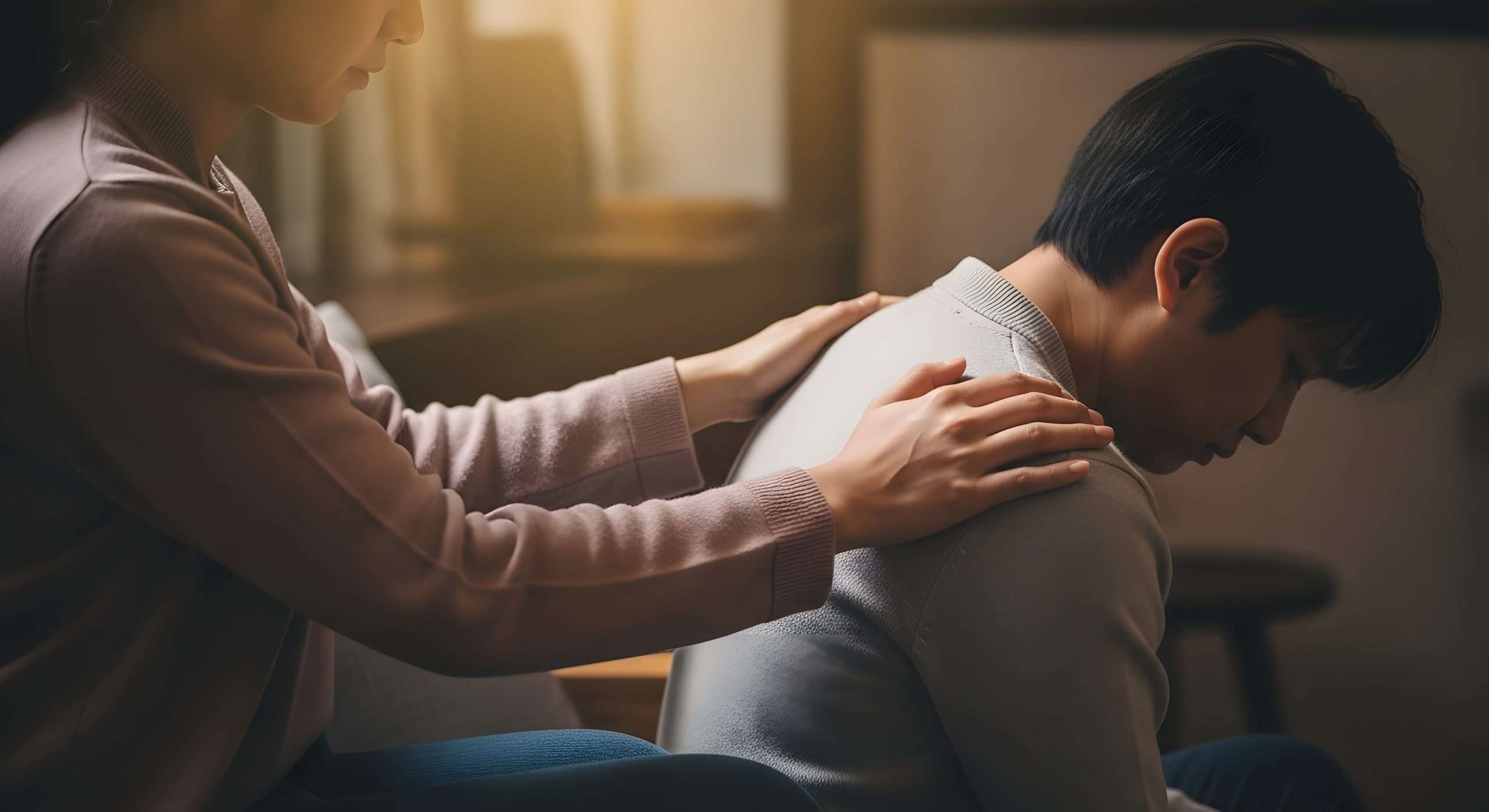
And that rewiring is literal, not metaphorical. When we sit in a circle of chairs, when we hear our story in someone else’s voice, when we’re held accountable by another person who knows our patterns—our nervous system shifts. We move from the isolation that kept us using to the connection that keeps us in recovery. The meetings, the phone calls, the sponsorship, the after-meeting coffee, the service commitment—these create something the page alone can’t: accountability, feedback, embodied practice, hope through witness. They transform information into lived experience, turning isolation into connection in ways that reading, however deep, cannot replicate.
The literature and the fellowship aren’t competing—they’re partners. The literature describes the path, but the fellowship walks it with us. You can study recovery, or you can live it. One gives us the map; the other is the territory itself. The literature gives us a design for living—the steps, the principles, the structure of recovery. But fellowship teaches us how to live inside that design. The book says “we,” but the meeting shows us what “we” actually means: not an abstract concept, but these specific people, in this specific room, choosing to show up for each other today. And the real transformation happens through that medium—the messy, human, repetitive, sometimes uncomfortable practices of community that develop and grow our spiritual condition.
Am I treating the literature like it’s enough on its own?
Have I been studying instead of living?
Do I show up for the uncomfortable mediums—the phone calls, the service, the face-to-face vulnerability?
And what would change if I trusted that the medium—the actual showing up, the relationships, the embodied practice—is where the real work happens?