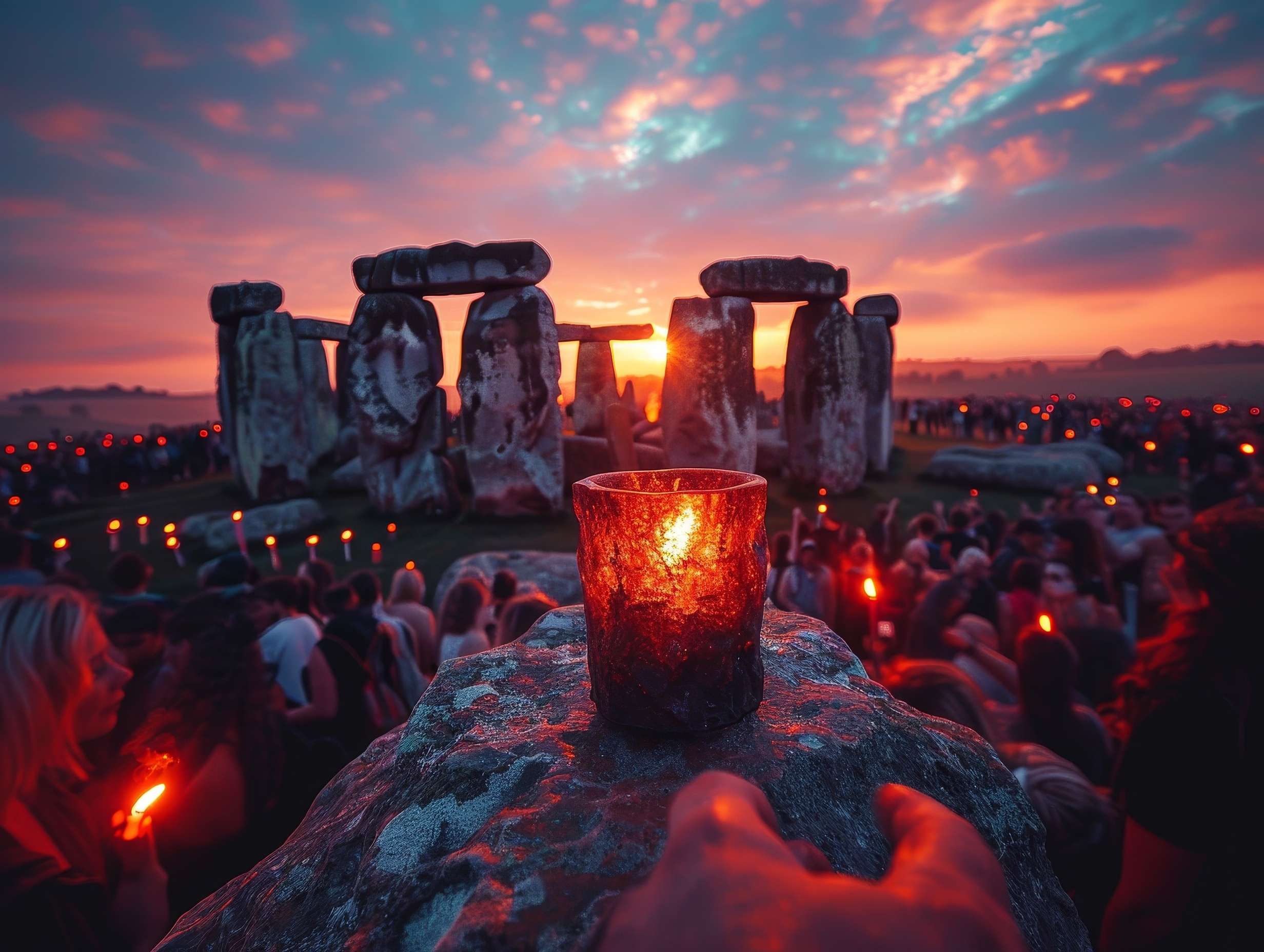


The community exists, in part, to safeguard the purpose of each person within it and to awaken the memory of that purpose by recognizing the unique gifts each individual brings to this world. Healing comes when the individual remembers his or her identity and reconnects with that world of Spirit. Human beings long for connection, and our sense of usefulness derives from the feeling of connectedness.
— Malidoma Patrice Somé, The Healing Wisdom of Africa:Finding Life Purpose Through Nature, Ritual, and Community (1999)
There is an assumption embedded in some peer support circles that only someone with my exact experience can truly help me. This belief contains real wisdom—there is power in being understood by someone who has walked a similar path. But what if it is also incomplete? What if, taken too far, it keeps us separate from the very belonging we need to heal?
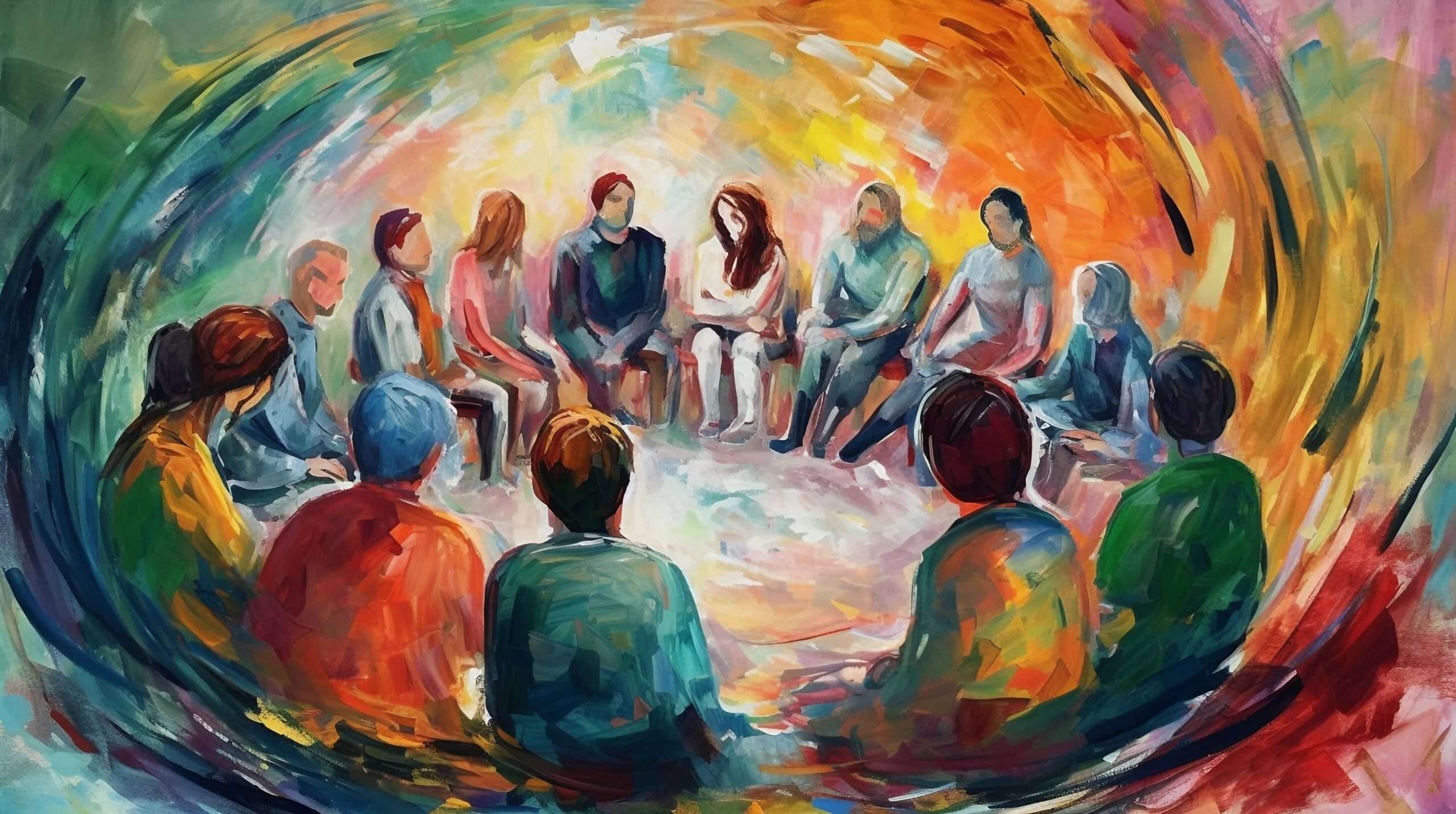
Malidoma Somé writes from the Dagara tradition, where the community itself is the healing circle. People gather not because they share a specific wound, but because they share a life together. The circle holds everyone: the grieving and the joyful, the broken and the mending. Wisdom flows across all kinds of experience, not just within categories of it. Healing comes from belonging to something larger than one’s own individual struggle.
Mutual aid groups, including 12-Step fellowships, were born out of necessity. Many of us became alienated from mainstream society, and we found each other in church basements and community centres, united by our stories, and often our shared experience of stigma. These spaces have saved countless lives, including mine. But survival is not the same as thriving. A model built on “only people like me understand me” can become its own kind of boundary, where we are valued for our wounds but kept separate from the larger world.
Support organizations often ask us to tell our trauma stories again and again. They call this “engagement.” At its best, this honours lived experience. At its worst, it extracts our suffering without ever transferring power. We become performers of our own pain, valued for what we survived rather than who we are becoming. And the question lingers: “When did you decide to get better?”—as if recovery were simply a choice, not a matter of capacity, resources, and the presence of people who believed in us before we could believe in ourselves.
Recovery was never meant to be a gated community of the wounded. It was always meant to be a door back into life—into connection, into purpose, into the larger human family where our gifts are recognized and our presence matters.
Where have I found healing in shared experience, and where might I be ready to expand beyond it?
Am I part of communities that help me survive, or communities that help me thrive—and how might I build both?
What would it mean to be valued for my gifts, not just my wounds?
What door back into the larger human family might be waiting for me to walk through?