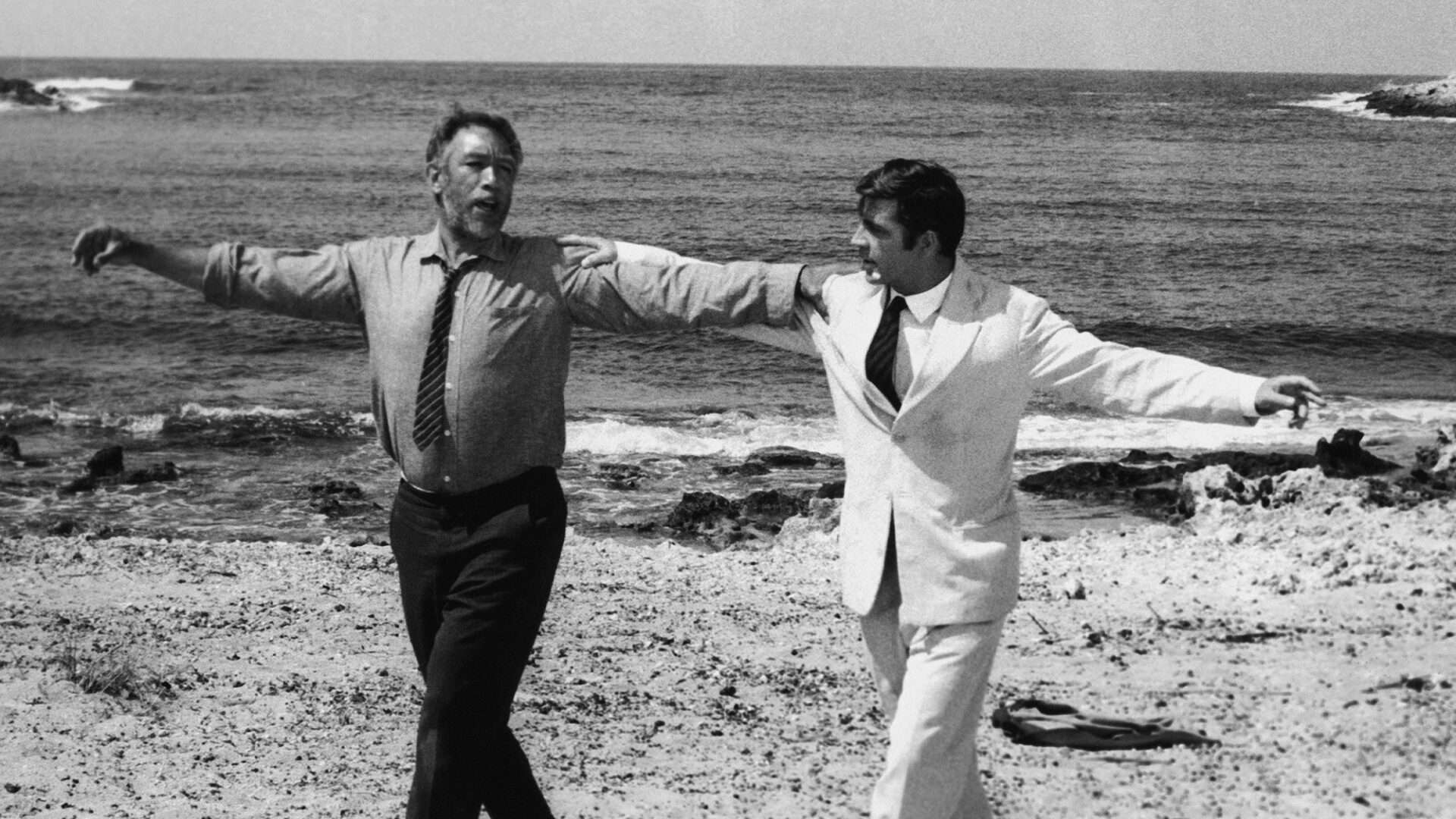



And I have felt
A presence that disturbs me with the joy
Of elevated thoughts; a sense sublime
Of something far more deeply interfused,
Whose dwelling is the light of setting suns,
And the round ocean and the living air,
And the blue sky, and in the mind of man;
A motion and a spirit, that impels
All thinking things, all objects of all thought,
And rolls through all things.
— William Wordsworth, Lines Composed a Few Miles above Tintern Abbey (1798)
Wordsworth was trying to describe something most of us have known but rarely articulate. That sudden, luminous shift when the world becomes more alive than usual, and we become more alive in it. He was part of a movement of poets and artists in the late eighteenth century called the Romantics, who believed that Nature holds a kind of intelligence that we can sense in rare flashes when the mind quiets. When he writes of a presence that disturbs him with joy, he isn’t describing fear; he’s describing the shock of recognition. The way beauty can jolt us awake. The way a landscape, a sunset, or even the most ordinary of views can ripple through us and remind us we are woven into something that rolls through all things—through the ocean, the air, and human consciousness itself.
I know this experience. Sometimes it catches me while I’m walking, or even doing something unremarkable—just moving through the world when suddenly everything becomes brighter, sharper, more intimate. There’s a tightening in my chest and a loosening at the same time. A tingling sensation starts in my heart and moves through me, at its most intense, sending chills across my skin. Time seems to slow down. My whole body responds, almost electric, as if some deeper antenna is picking up a signal I usually miss. The mind’s narration drops away, and what’s left is a vividness both unfamiliar and completely natural. Trees, pavement, the cold air, my own heartbeat—they feel like movements within the same field. I am fully awake.
It’s not a “spiritual experience” in the dramatic sense. It’s a momentary heightening of awareness where I am not the story I tell about myself, not the cravings, not the fears, not the future I fantasize toward or the past I defend. I’m just here. Alive. A part of the same motion that Wordsworth felt over two centuries ago.
Unlike the false euphoria I felt while using, recovery has given me the capacity to notice and recall these moments more clearly. When I’m not spinning out, not dissociating through excitement or escape, the outer world has more room to reach me. My nervous system, for all its chaos, still knows how to register beauty. It still knows how to say: Pay attention. You’re here. You’re connected. These flashes remind me that I belong—to this breath, this life. And maybe that’s the “sense sublime” Wordsworth was pointing to: not an idea about the universe, but the unmistakable experience of being part of it.
What moments recently have startled me into greater presence?
When does my mind quiet enough for the world to become vivid again?
How do awe and beauty show up in my recovery today?
What helps me notice the “motion” that rolls through all things, including me?