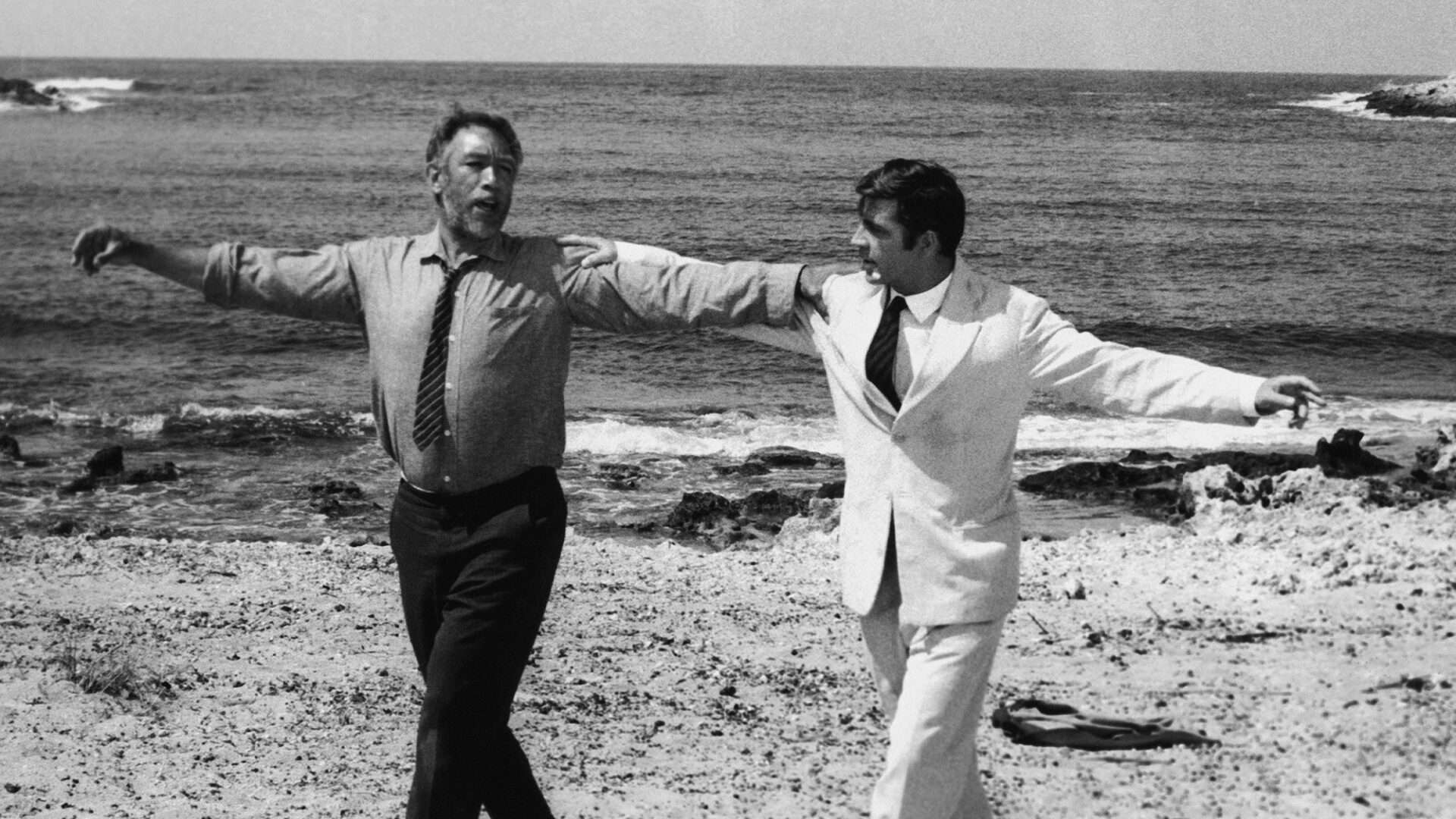


Am I not a man? And is not a man stupid? I’m a man, so I’m married. Wife, children, house—everything. The full catastrophe.
— Zorba, in Zorba the Greek (1964)
In the 1964 film Zorba the Greek, based on Nikos Kazantzakis’s novel, a young English writer asks Zorba, a weathered peasant, if he has ever been married. He replies with the line above. Jon Kabat-Zinn borrowed this phrase for the title of his book, Full Catastrophe Living. He writes that the response “embodies a supreme appreciation for the richness of life and the inevitability of all its dilemmas, sorrows, tragedies and ironies. His way is to dance in the gale of the full catastrophe, to celebrate life, to laugh with it and at himself, even in the face of personal failure and defeat.”
Many of us were taught a different way. We learned to edit: to curate life, keeping only what felt manageable. We numbed what hurt, avoided what frightened, performed what was expected. We overrode signals from the body—hunger, fatigue, discomfort, the knot in the stomach that said something was wrong—because stillness felt more dangerous than movement. We managed life, negotiated with it, fled from it in a thousand small ways: the substance that took the edge off, the screen that filled the silence, the busyness that kept us from sitting with ourselves. The full catastrophe felt like too much to hold. So we held only what we could control, and we ran from the rest.
What I know now is that escape doesn’t work. When I numb, avoid, or run from my problems, the problems don’t disappear—they multiply. What does disappear is my power to learn, to grow, to heal. Facing what I’ve been fleeing is usually the only way through.
But facing doesn’t mean white-knuckling. Kabat-Zinn uses the image of a sailor. I can’t control the weather. I can’t sail straight into the wind. If I try, I go nowhere. And if I only know how to sail with the wind at my back, I go only where the wind decides. But if I learn to read the wind, to respect its power, to use its energy instead of fighting it, I can still get where I need to go. Good sailors don’t avoid storms. They know when to drop the sails, batten down the hatches, and ride it out. They control what they can and let go of the rest. There is an art to facing difficulty. Not in overpowering the storm, but in learning to move with it.
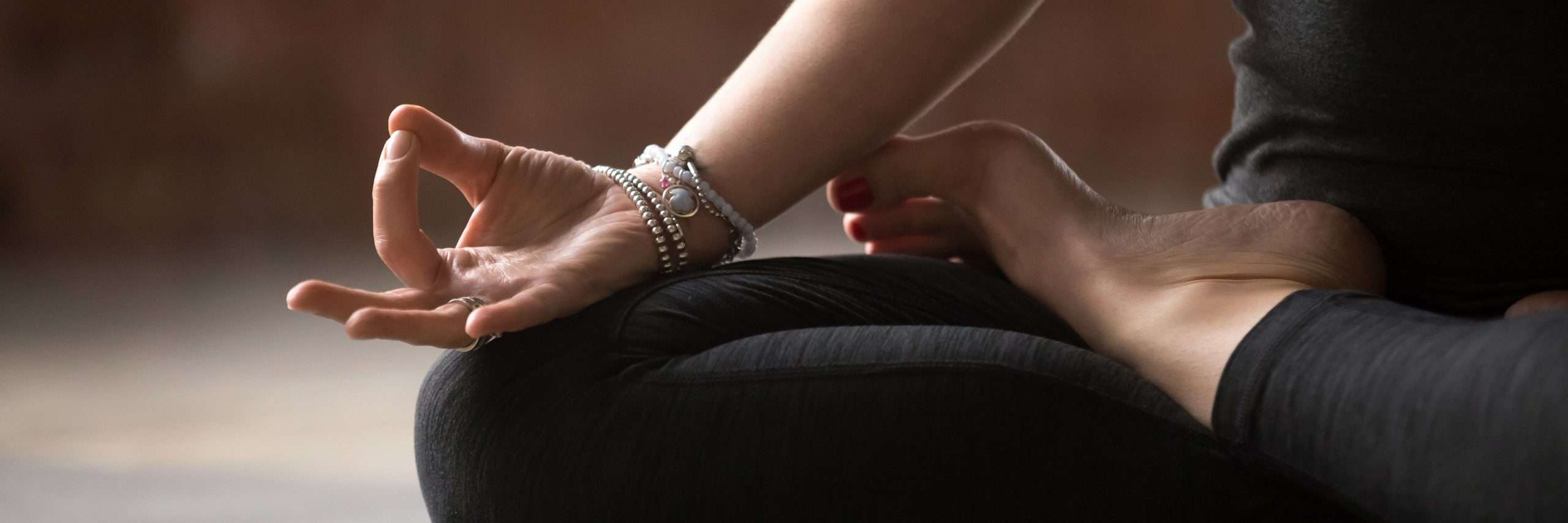
As long as I am breathing, there is more right with me than wrong with me. The breath is a starting point, not a finish line. Even in pain, there is a part of me that can observe the pain. Even in chaos, there is a stillness that can hold it. Mindfulness is the practice of finding that stillness. Not to escape what’s happening, but to finally be present for it. The pain is still there. But I am larger than the pain.
The full catastrophe includes everything. The wreckage and the recovery. The shame and the slow return to self. The days we get it right and the days we don’t. Zorba danced in the gale because he understood that life doesn’t wait for us to be ready. It’s already here, asking only that we show up. Kabat-Zinn suggests that when we do—when we face what is deepest and most difficult—we also find what is most healing within ourselves.
What part of my life am I still trying to curate rather than face?
Where have I been managing or negotiating instead of simply being present?
Is there a stillness in me that can hold difficulty without fleeing?
Am I willing to believe that even now, as long as I am breathing, there is more right with me than wrong?