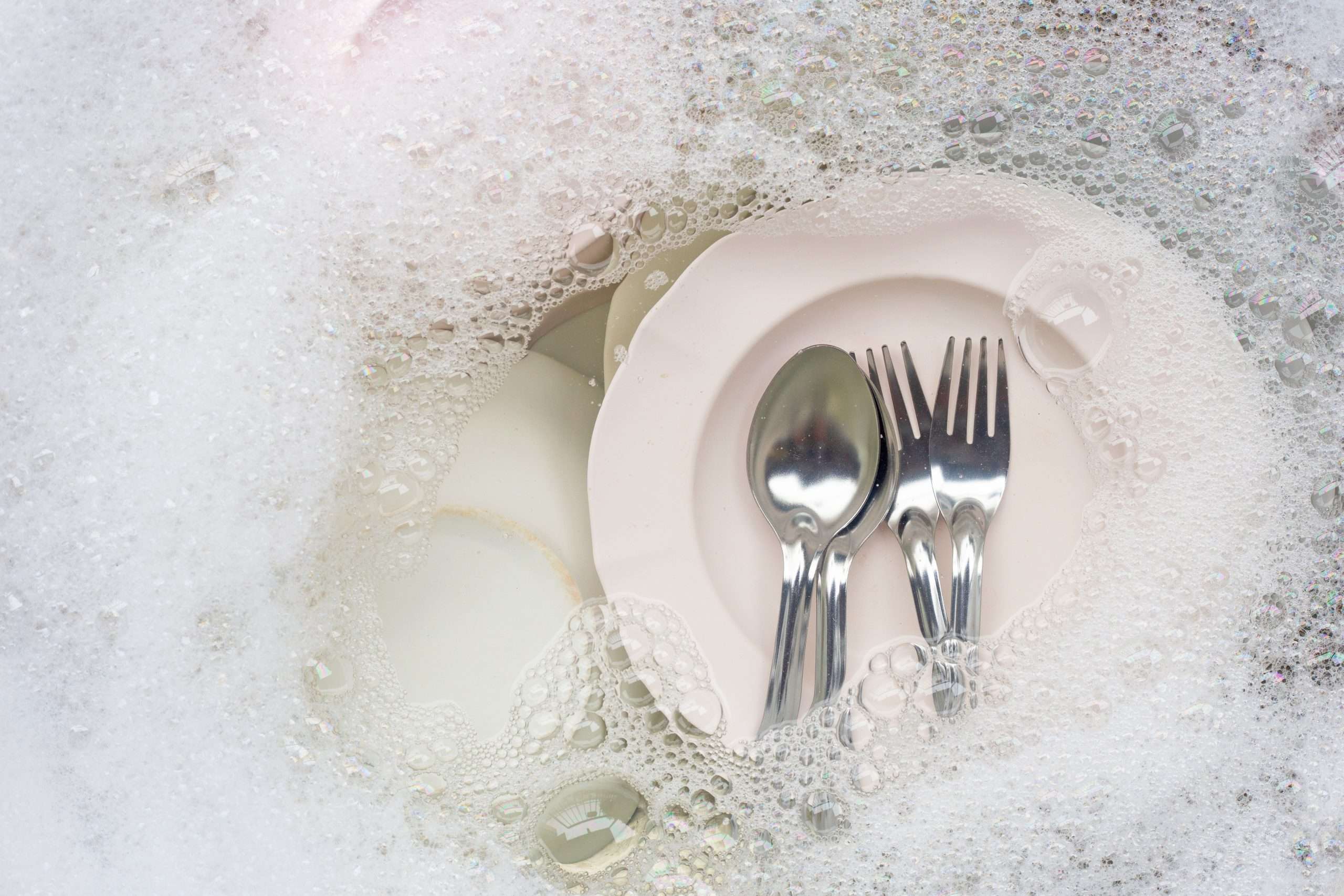


At the moment that you are doing the dishes, that is your life.
— Jon Kabat-Zinn, Full Catastrophe Living (1990)
Jon Kabat-Zinn brought Buddhist mindfulness practices into Western medicine, developing Mindfulness-Based Stress Reduction (MBSR). His work involves inviting people to live intentionally from moment to moment. Once, explaining this to a reporter, she said, “Oh, you mean to live for the moment.” He stopped her. No. For the moment has a hedonistic ring to it—chasing pleasure, grasping at experience, trying to squeeze something out of life before it slips away. In the moment is something else entirely. It means being present to your life as it actually is.
Living for the moment chases peak experiences. We wait for vacations, for the weekend, for the day when everything will finally be perfectly arranged to bring on those hoped-for feelings of well-being and inner peace. Of course, it hardly ever works out that way, even on vacation. Living in the moment is different. It means showing up for what is already here.
Over the past two days, we have looked at facing life instead of fleeing from it. We have looked at the pause, the breath, the space between stimulus and response. Now we take it off the cushion and into the kitchen, the commute, the ordinary moments that make up most of our lives.
If I miss these moments because my mind is somewhere else, in an important way I am shortchanging my life. I don’t have to rush through the dishes to get to something better or more important because at the moment I am doing them, that is my life.
So how do I practice? Take each pot and each cup and each plate as it comes. Be aware of the movements of my body in holding and scrubbing and rinsing. Notice the movements of the breath. Notice the movements of my mind. When I bring this kind of attention to any activity, it becomes more vivid, brighter, more real. The stream of thinking subsides a little and is less likely to stand between me and what is actually happening.
There is a paradox here. When my actions come from being present rather than restlessness, they feel more meaningful and require less effort. I may find that I not only enjoy the process more but am also more likely to have insights into myself and my life while engaged in these routine activities.
The dishes can teach me something if I let them. Here I am, doing the dishes again. How many times have I done them? How many more times will I do them in my life? By inquiring this way without looking for answers, I may find that the whole world is represented in this ordinary act. They become a mirror of my own mind.
We are not talking about seeing that life is a stream of dirty dishes and then going back to doing them mechanically. The point is to really do them. To be awake and alive as I do them. To notice when I slip back into autopilot and gently return.
The dishes are waiting. They always are. And in them is the same invitation that has always been there. To stop postponing until conditions improve, to stop rushing through the ordinary to get to something better. There is nothing better. This is it. This moment. These dishes. This life.
What ordinary task do I rush through to get to something “better”?
What would it mean to take each thing as it comes—aware of my body, my breath, my mind?
Can I let this moment be enough without waiting for conditions to improve?
What might the dishes teach me today?