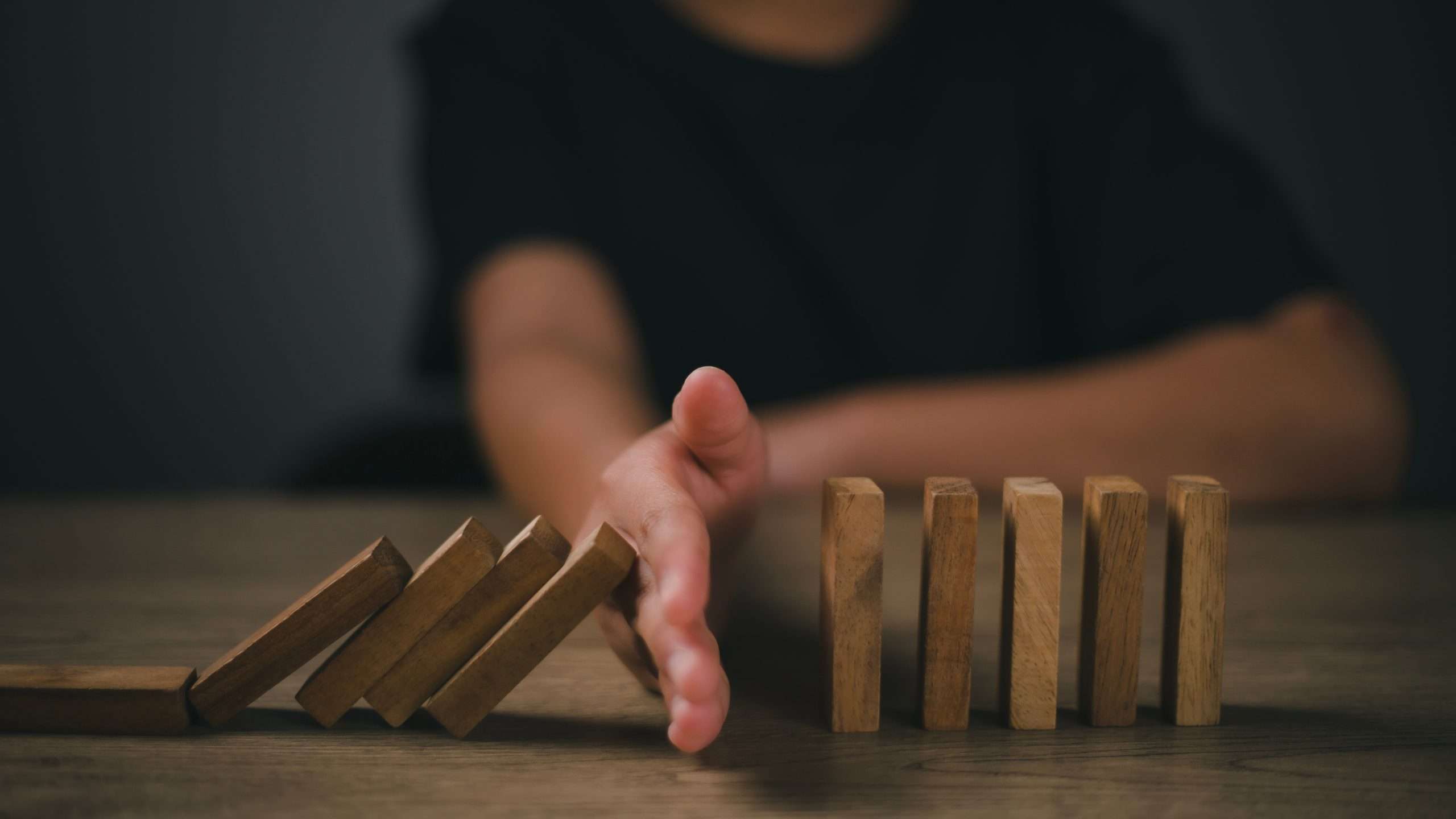
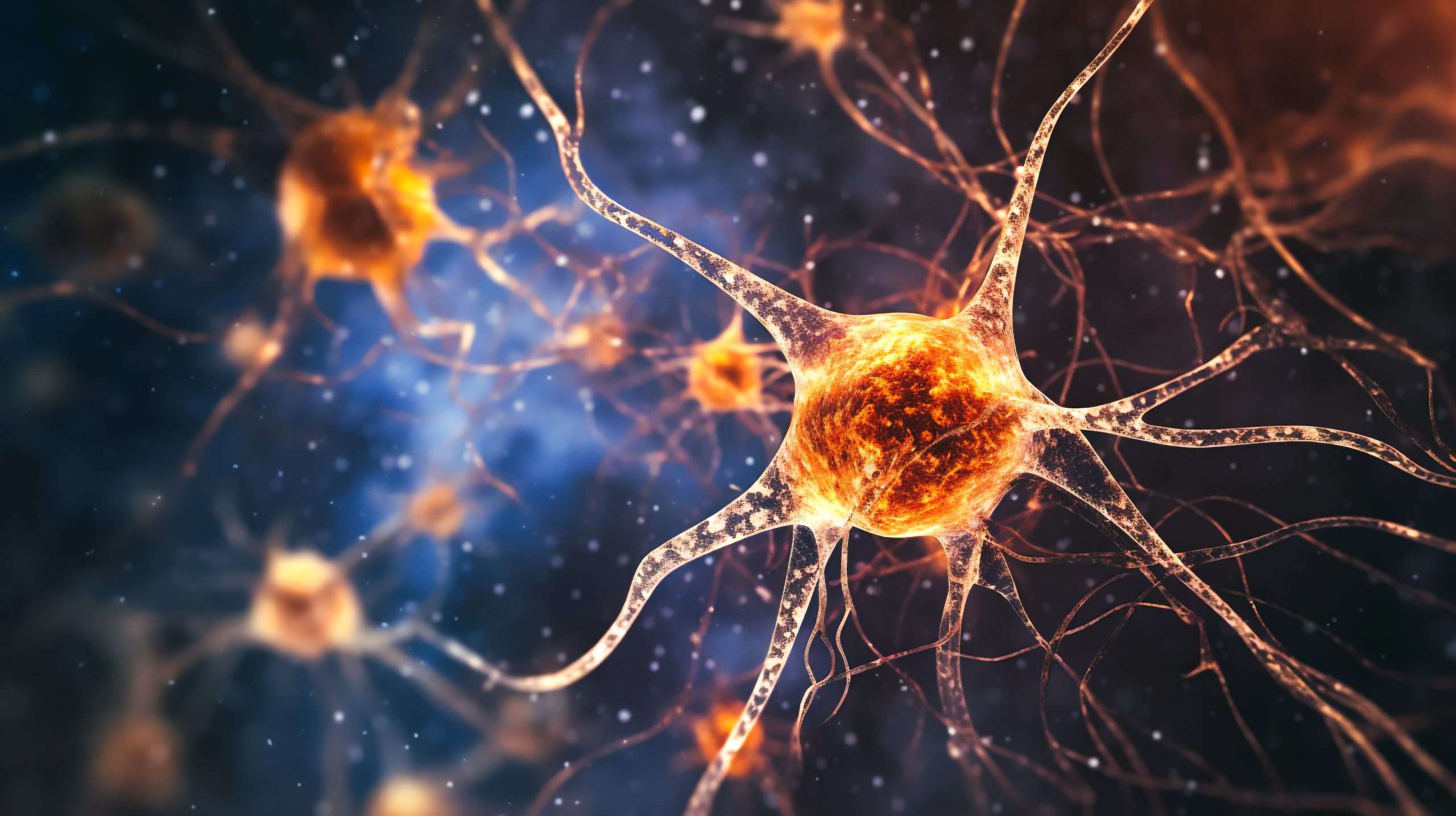


“Learning is making synaptic connections; instruction gets the body involved in order to have a new experience, which further enriches the brain. When we also pay attention and repeat our new skill over and over again, our brain has the ability to create new neural networks and even to change its internal wiring.”
— Joe Dispenza, Breaking the Habit of Being Yourself (2012)
Dr. Joe Dispenza reminds us that the brain is not fixed — it’s plastic. Neuroplasticity means that thoughts, emotions, and actions literally sculpt the brain’s wiring. Every time someone learns something new, a synaptic connection sparks. When they apply that knowledge through action, those circuits strengthen. And when they repeat the new behavior, the brain builds new networks that can override the old ones. Change isn’t just a nice idea — it’s a biological reality.
He says that most people unknowingly live as prisoners of their past. They wake up, think the same thoughts, feel the same emotions, and repeat the same habits. This routine keeps the brain firing in the same patterns, wiring them into a predictable personality. Transformation begins when they interrupt that cycle: when they decide to think a new thought, act differently, or feel a new emotion. In that moment, they step into the unknown — and give the brain a chance to lay down new circuitry.
In addiction, I lived in the opposite reality. I woke up thinking the same resentments, feeling the same shame, repeating the same habits. My brain was a loop, firing the same circuits day after day. The emotions were as predictable as the behaviors: fear before the first use, relief during, shame after. Each cycle deepened the grooves until I couldn’t imagine any other way to feel. No wonder I felt trapped — I had hardwired myself into being the person I least wanted to be.
Transformation begins the moment we think differently, act differently, or feel something new. That’s when the old wiring loosens and new connections can form. Recovery is built on this same principle. The Steps are practical neuroplasticity: each inventory rewires shame into honesty, each amends transforms fear into courage, each act of service shifts isolation into connection. These aren’t just spiritual exercises — they’re neurological ones. Over time, those repeated choices carve out new pathways where humility, gratitude, and peace can flow.
At first, it feels unnatural, even impossible. The brain resists because the old patterns are comfortable, even when they’re killing us. But the Steps ask us to keep going: continue to take personal inventory… practice these principles in all our affairs. The repetition matters. We show up to meetings when we don’t feel like it. We make amends when it’s uncomfortable. We meditate when it feels pointless. Slowly, what once felt forced becomes familiar. The old circuits of fear and obsession weaken; the new circuits of love and service grow strong. With time, the impossible becomes second nature. We don’t just think differently — we feel differently. And that changes everything.
Do I see recovery as a single event or as a daily practice of rewiring?
Am I willing to keep showing up for the small, simple actions that gradually change my brain?
Can I trust that repetition matters even when I don’t see immediate results?
What old emotional circuit am I ready to interrupt today?