


“We may also have fears that stem from our previous experiences with the Fourth Step. We know that an inventory means change in our lives. We know that if our inventories reveal destructive patterns, we can’t continue to practice the same behaviors without a great deal of pain. Sometimes this means having to let go of something in our lives – some behavior we think we can’t survive without; a relationship; or perhaps a resentment we’ve nursed so carefully that it’s actually become, in a sick way, a source of reassurance and comfort. The fear of letting go of something we’ve come to depend on, no matter how much we’ve begun to suspect it isn’t good for us, is an absolutely valid fear. We just can’t let it stop us.” — Narcotics Anonymous Step Working Guide
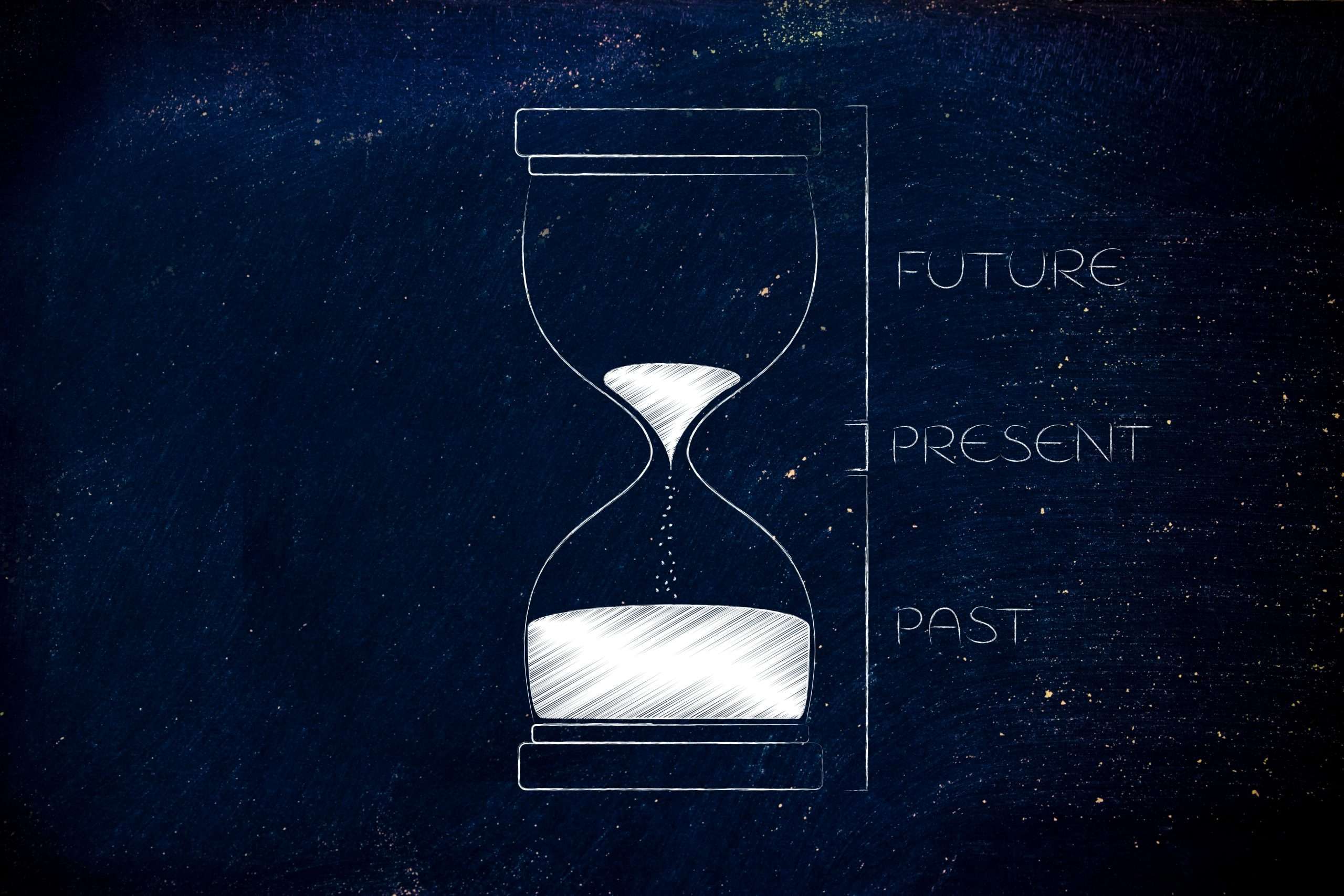
There’s a limbo between Step 3 and Step 4 where many of us get stuck for months, sometimes years. We’ve made the decision to turn our lives over. We’ve surrendered—at least in theory. But when it comes time to actually look at ourselves, to write the inventory, we freeze. The fear becomes a wall we can’t climb.
It’s not that we don’t want to change. It’s that we’re terrified of what we’ll find when we start looking. What if the inventory confirms what we’ve always suspected—that we’re fundamentally broken, unworthy, beyond repair? What if naming our defects makes them more real? What if we lose the few coping mechanisms that have kept us afloat, even when they’ve been slowly drowning us?
Richard Rohr, in his book Falling Upward, calls this “shadowboxing”—the necessary confrontation with the parts of ourselves we’ve been hiding from. He writes that humans come to full consciousness by facing their own contradictions and making friends with their mistakes and failings. But shadowboxing doesn’t mean punching at nothing. It means wrestling with what psychologist Carl Jung called the “shadow self”—everything about ourselves that we deny, repress, or refuse to see.
Jung believed that the shadow holds all the qualities we’ve pushed into darkness: our resentments, our selfishness, our capacity for harm, our fears. He famously wrote, “One does not become enlightened by imagining figures of light, but by making the darkness conscious.” The shadow isn’t evil—it’s simply unconscious. And what remains unconscious controls us.
This is why Step 4 is essential. The moral inventory isn’t a punishment or a ritual of shame. It’s the process of making the darkness conscious. It’s shining a light into the corners we’ve avoided so that we can finally see what’s been running the show. The inventory reveals the patterns: how fear turned into control, how pain turned into resentment, how shame turned into isolation.
The fear is real. The resistance is understandable. But staying in limbo—knowing we need to look but refusing to do it—keeps us trapped between surrender and freedom. We stay stuck in the middle: too aware to go back, too afraid to move forward.
Recovery asks us to do the uncomfortable work of shadowboxing. Not to destroy ourselves, but to see ourselves clearly for the first time. Not to confirm that we’re irredeemable, but to discover that we’re human—flawed, yes, but also capable of change. The inventory doesn’t make us broken. It reveals where we’ve been broken so that healing can finally begin.
Am I willing to move beyond surrender into action?
What am I more afraid of—what I’ll find in the inventory, or staying stuck where I am?
Which fear, resentment, or behaviour have I been protecting because letting go feels impossible?
What would it mean to trust that I can survive seeing myself clearly?