

Being able (finally) to laugh at ourselves as we act out on that shortcoming—yet again!—is a strategy that can help us to not beat ourselves up and to be okay with where we are right now. Humor becomes a way we identify, connect, and express empathy and forgiveness, for others as well as ourselves. Humour is a practice of surrender.
— Living Clean: The Journey Continues, Chapter Seven, “The Lifelong Practice of Surrender,” p. 335
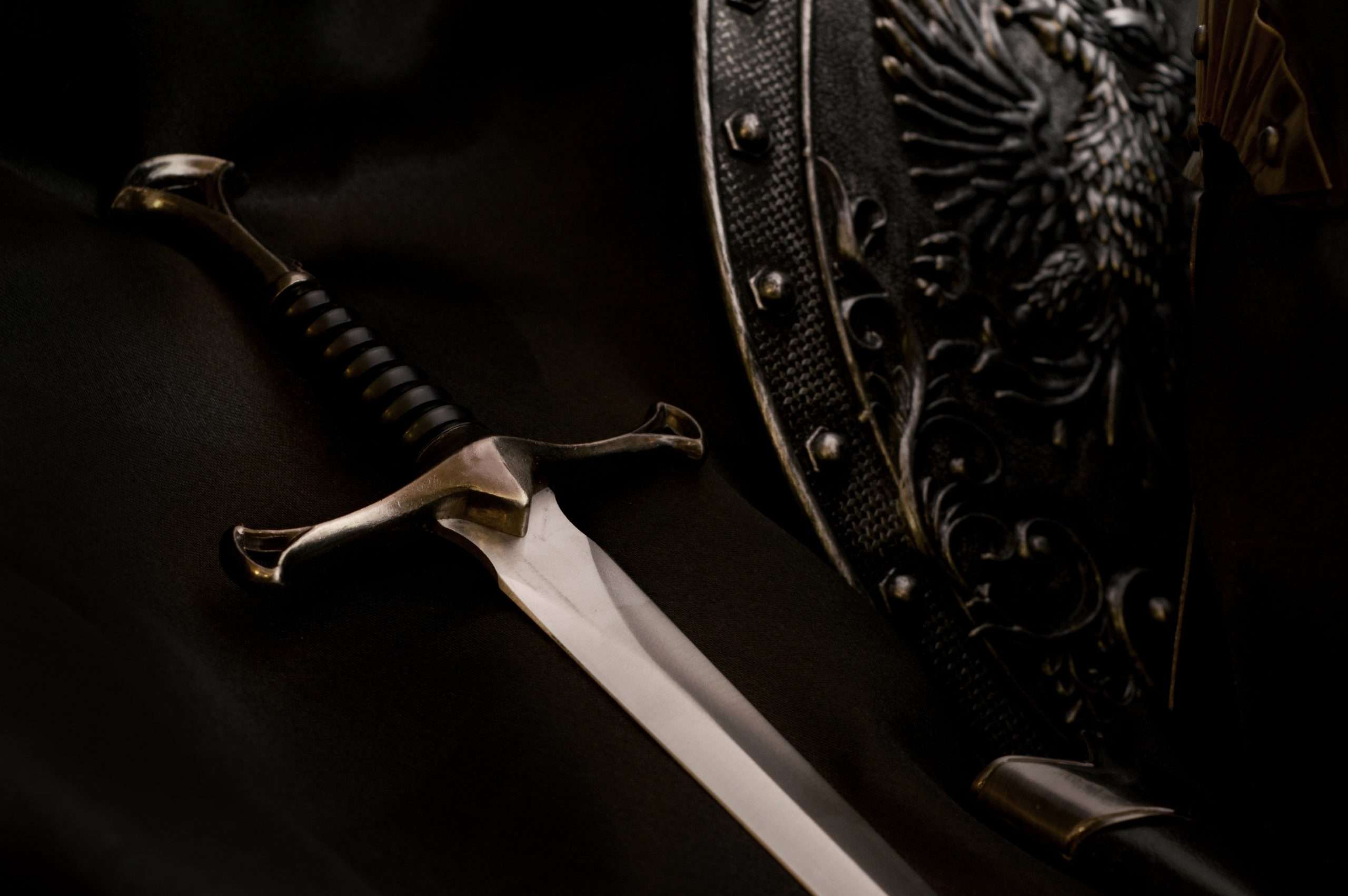
Out there, my humour was a weapon—sword and shield both. I learned early that if I made the joke first, no one could hurt me. I’d slice myself down before anyone else had the chance, using sarcasm to look relaxed while actually bracing for impact. It created the illusion that I didn’t take myself too seriously, but underneath was someone painfully afraid of being seen as he truly was.
What I told myself was humility was really self-defence. Anne Lamott writes about this in Bird by Bird—the way self-deprecating humour can masquerade as honesty while really serving as protection, helping us stay small, unthreatening, and safely out of reach. If I made myself the punchline, no one could expose insecurities I was already fighting to hide.
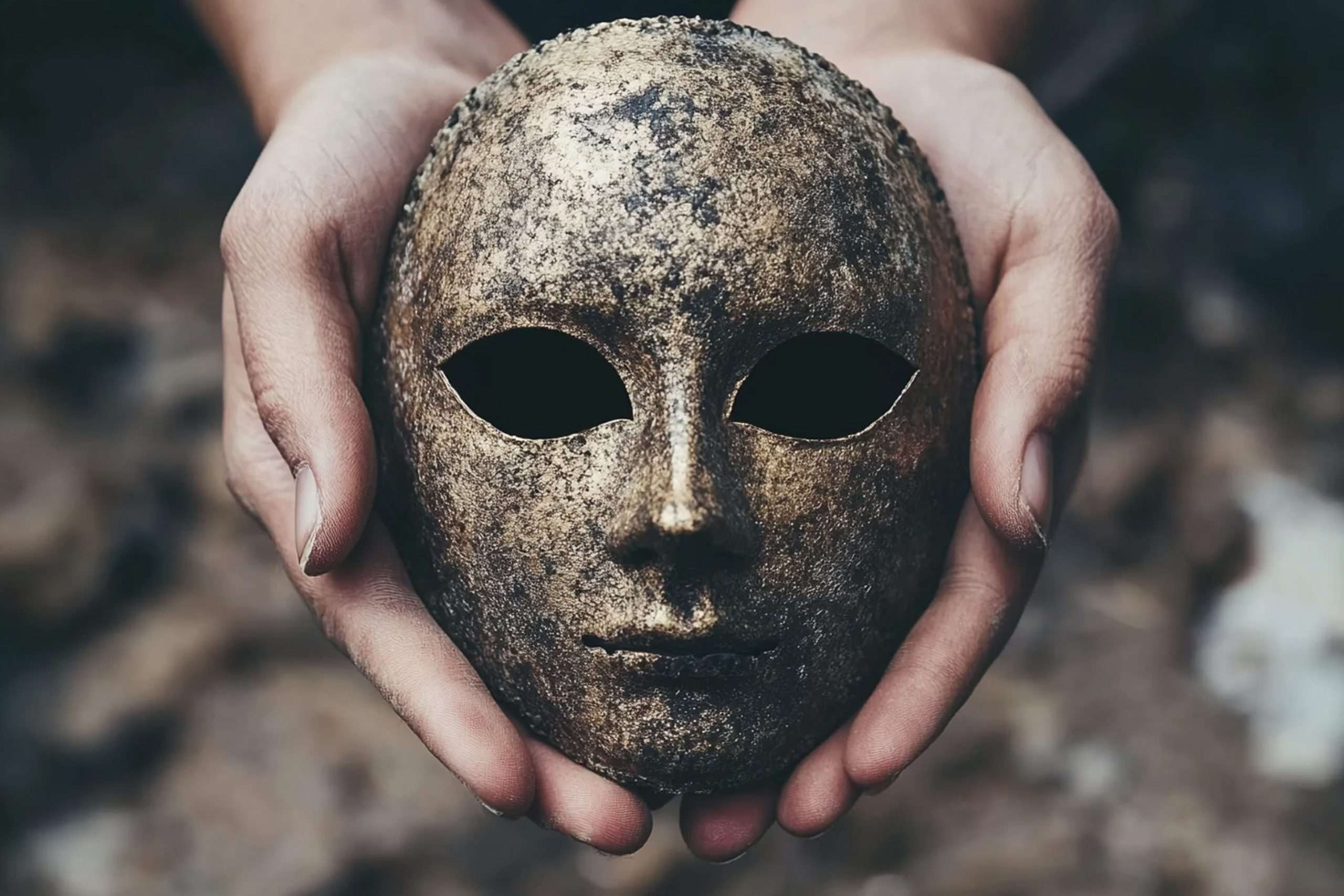
Pema Chödrön writes in When Things Fall Apart: “When we protect ourselves so we won’t feel pain, that protection becomes like armour, like armour that imprisons the softness of the heart.” Mine came wrapped in wit and sarcastic one-liners. It looked lighthearted but kept people at a distance. Humour became my way of controlling the room, making sure I was never caught off guard, never exposed, never seen too deeply.
Recovery asks me to put down both sword and shield, to become available instead of defended, to learn when I’m laughing at myself and when I’m laughing with myself. When I notice myself repeating the same old pattern and can laugh about it without cruelty, something shifts. I’m acknowledging my imperfection as something universal rather than using it as a weapon against myself or a shield from others.
This is humour as surrender: loosening the grip on perfection, dropping the exhausting habit of pre-emptive self-critique, finding lightness through accepting that I’m flawed, learning, still figuring it out. The humour I’m discovering in recovery is warm, unguarded, real. When someone laughs in recognition—I do that too—we’re acknowledging the absurdity of our shared experience, how we all keep repeating the same patterns. That laugh says: You’re not alone. I’m just as messy as you are.
The gift of recovery is regaining our sense of humour—the kind that connects us rather than isolates us, trading the clenched fist of self-protection for the open hand of connection. In that space, humour becomes a bridge.
Where am I still using humour as a weapon rather than an invitation?
Can I feel the difference between a joke that opens me up and one that shuts me down?
What would it look like to laugh at my humanness today without the sting of self-contempt?
Who in my community helps me practice this gentler, more connecting kind of humour?