
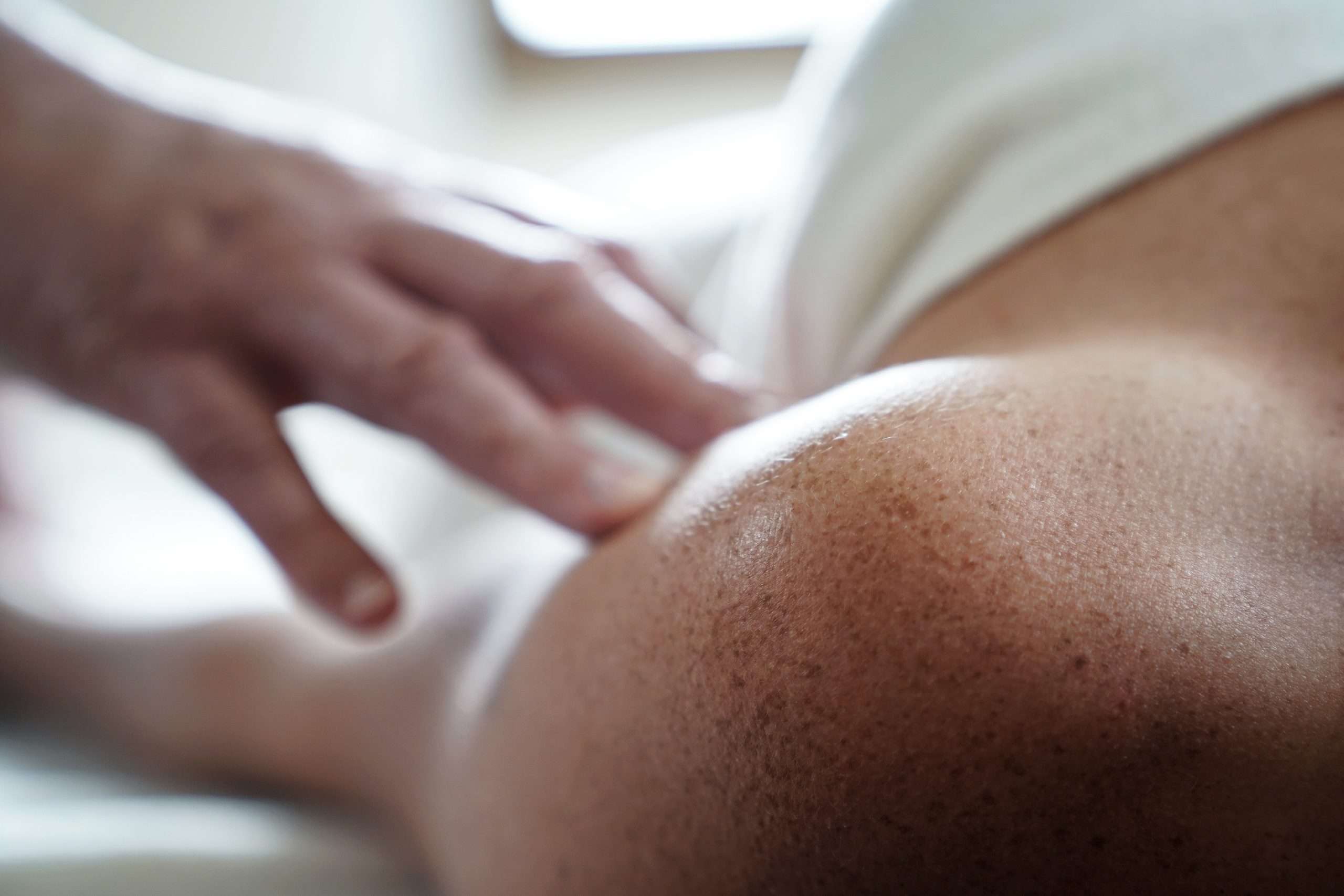


Addiction does not only isolate us socially; it estranges us from our own body. We speak easily about loneliness, cravings, triggers, and the psychic emptiness that substances once filled—but we rarely consider what happens when a nervous system that has been numbed, overstimulated, or deprived suddenly comes back online. Recovery is often described as an awakening of the mind and spirit. It is also an awakening of the skin.
In Sex in Recovery, Jennifer Matesa describes a moment of tenderness between two people: one running fingers through the other’s hair, an act the Brazilian Portuguese call cafuné. The word traces back to enslaved Yoruba people in Brazil, who comforted one another in circumstances of unimaginable brutality. When safety was stripped away, tenderness remained possible.
Modern North American recovery culture has no equivalent. We have extensive vocabulary for boundaries, trauma, and “working a program.” Yet when it comes to safe, caring physical contact, we grow cautious and clinical.
The research, however, is not ambiguous. As Matesa reports, caring touch releases endorphins, the body’s natural painkillers. It lowers cortisol, the stress hormone that keeps the body on high alert. It increases oxytocin, strengthening trust and bonding. These are measurable physiological events, and each one has a strong chance of reducing relapse risk.
When this contact is absent, the effects are equally measurable. Psychologists use the term skin hunger to describe the effects of touch deprivation. Infants who do not receive sufficient physical contact can fail to thrive; their development falters. Adults deprived of safe contact show increased anxiety, depression, and dysregulated stress responses.
Addiction complicates this hunger. Touch may have been associated with harm or coercion, or it was transactional, charged with expectation or demand. For many of us, physical contact and intoxication became braided together so tightly that the body could no longer distinguish between intimacy and anesthesia. The chemical buffer softened the edges of contact, blurred fear, amplified intensity, and dampened vulnerability. Over time, the skin stopped expecting kindness. It either braced for harm or learned to equate closeness with altered states.
When we stop using substances, sensation returns without chemical mediation, and it can be disorienting. Long-buried memories may surface not only as thoughts but as bodily reactions. What feels like restlessness, irritability, or unexplained longing may in part be the body’s response to touch deprivation. The body is not simply craving a substance; it may be craving safety.
The fellowships rightly emphasize connection, and many of us first experienced safe human contact in those rooms, holding hands during a closing, a hug after a meeting. As Matesa observes, institutional settings remain risk-averse around physical contact. Touch becomes suspect, legally fraught. Yet the body does not respond to policy; it responds to experience. Recovery may need to include relearning how to inhabit the body without fear—how to differentiate between intensity and safety, between being used and being held, between stimulation and regulation.
This is not an argument for indiscriminate touch, nor a dismissal of trauma or boundaries. But rebuilding begins somewhere. It may be therapeutic massage or acupuncture. It may be a yoga class that emphasizes breath and body awareness, or the simple act of asking someone trusted for a hug. It may be allowing a hand to rest on a shoulder without pulling away. With time the body learns to recognize the steadying quality of safe contact.
Our journeys are not solely about abstaining from substances. They are also about becoming reacquainted with the body as a site of healing rather than harm. That body carries memory, but it also carries capacity. To honour skin hunger is not to regress. It is to acknowledge a need that may have become distorted but was never erased.
When has safe contact steadied me, and what made it feel different from the closeness I knew in active addiction?
What kinds of touch bring calm rather than intensity?
What would it mean to trust the body’s ability to recognize safety?
How might welcoming caring touch become part of how I heal?