


S.O.S. started by me making sandwiches, collecting clothes, and going out to the street by myself. Eventually, people started to join me. It is the greatest feeling to help those in need and bring hope to those who want addiction recovery and guide them through that process.
—Gerald, Founder of SOS Steps Off the Street, Ottawa
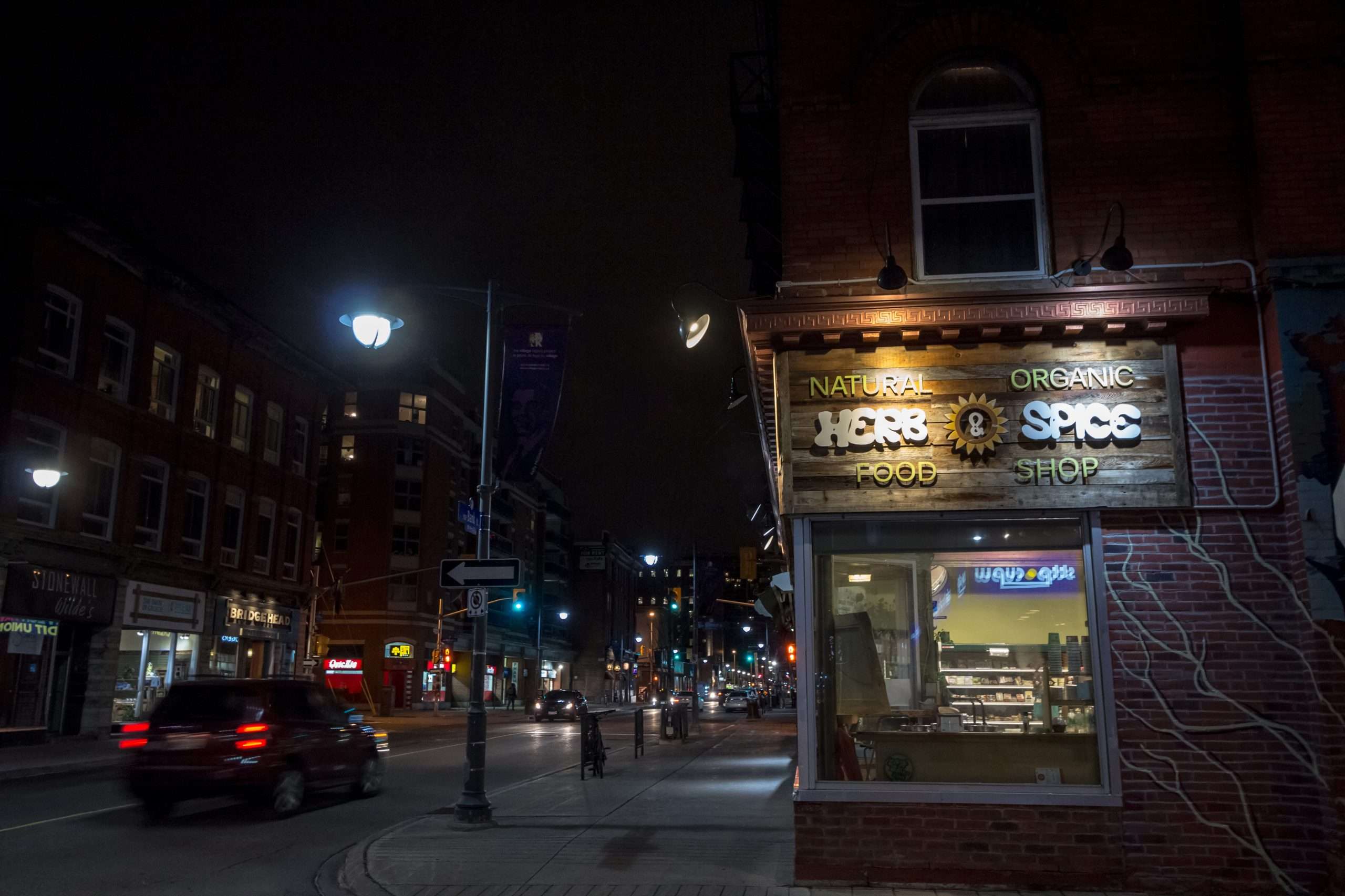
I think of the Healing Forest story every time I walk down Bank Street in Centretown. Over the past few years, my Ottawa neighbourhood has changed from a place of community to what resembles an open drug market, where people struggle in active addiction. As a consequence, some neighbours moved away and some suburbanites stopped coming. Businesses shuttered. I can see the full impact of the opioid epidemic only a few minutes’ walk from my front door. I don’t fully understand what brought us here, but the cause is no longer the point. It is time for solutions. And that begins with community action.
The Wellbriety Movement teaches that you cannot heal one tree in isolation. The forest itself must change. And the ones who change it are often the ones who barely survived it—people who got well and then walked back in.
Gerald knows that forest from the inside. He spent two and a half years homeless, in active addiction. In January 2023, he got sober. And then he did something that most people don’t do: he returned. Not to get high—but to give back. He started making sandwiches. Collecting clothes. Walking downtown blocks, this time with something to offer. He went alone at first. Then others joined him. In October 2024, SOS—Steps Off the Street—was born.
Today, roughly sixty percent of SOS volunteers are in recovery themselves. They don’t wait for people to find a meeting or check into a facility. They go where the suffering is—multiple routes through downtown, wagons full of food and clothing. They bring conversation and something harder to name: the proof that it’s possible to come back.
This is what healing the forest looks like. Fellow trees who know what it is to be sick in this soil, returning to walk alongside those still struggling. As Gerald puts it: “Because of the suffering I’ve been through, I can gain somebody’s trust in minutes.” The healing moves in both directions. Those served find hope in people who have been where they are. Those who serve strengthen their own recovery by giving it away.
The fourth law of change says: You must create a healing forest. Maybe that starts with one person making sandwiches. Maybe it starts with walking back into the place we barely survived—not to fix anyone, but to meet them where they are at. To say, with our feet and our hands and our story: I was here. I made it out. And I came back for you.
Where is the sick forest in my own community?
What would it look like to enter it rather than avoid it?
How might my own recovery become medicine for someone still struggling?
What is one small act I can take today—not to fix, but simply to show up?