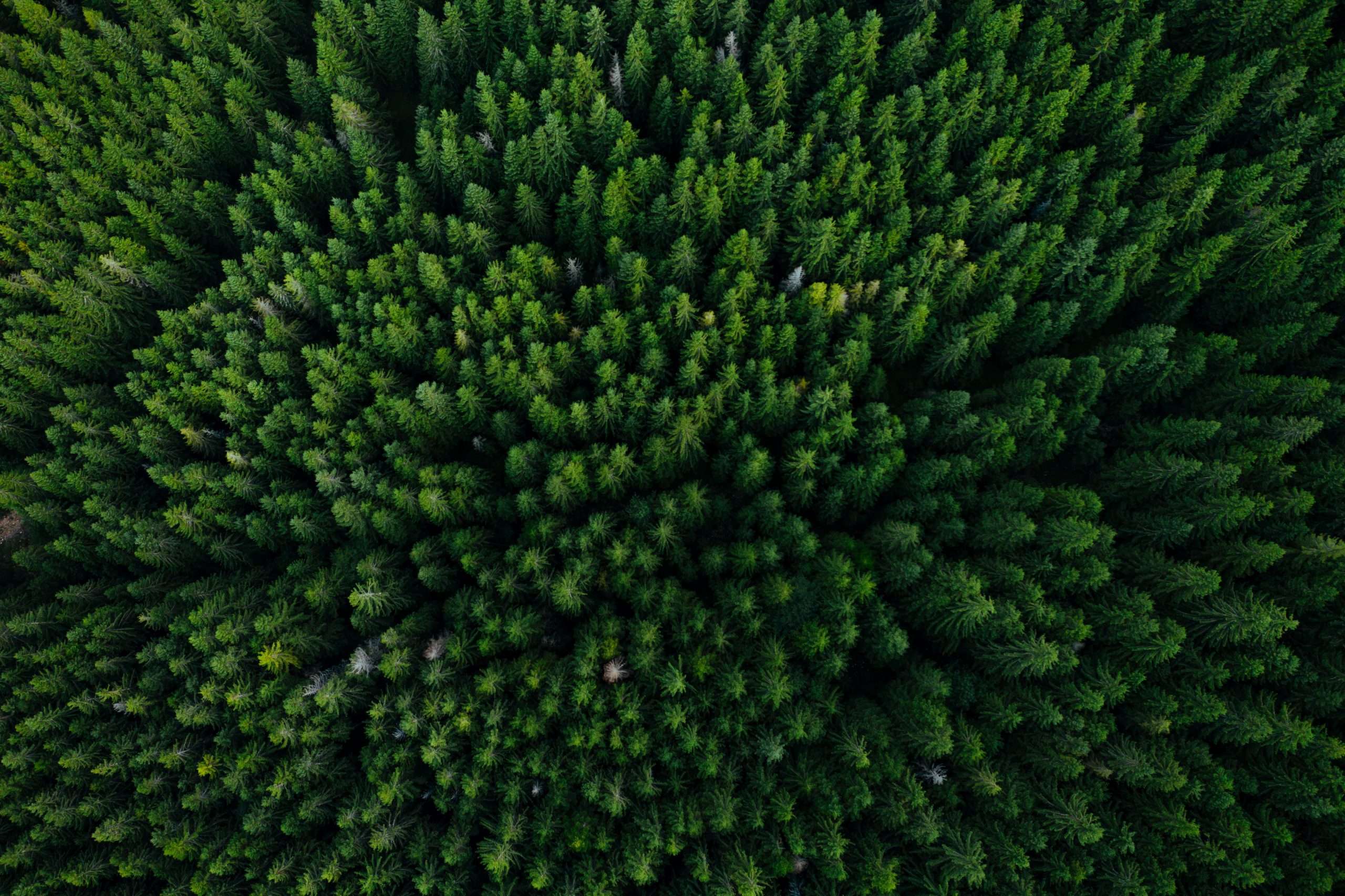


Suppose you have a hundred-acre forest and in that forest there is disease or sickness. All the trees are sick. It is a sick forest. Suppose, then, you go to the forest one day and you take one of those sick trees and temporarily uproot it and put it under your arm. You walk down a road and you put it in a nursery where there is good soil. So now you have this tree in good soil, and it gets healthy because it is getting sun and rain. It is getting well. It is turning green. You get this tree to be well and you take this well tree back to the sick forest. What happens if we take a well tree back to a sick forest? It gets sick again.
— Don Coyhis and Richard Simonelli, “The Native American Healing Experience,” Substance Use & Misuse, 2008
The tree is any one of us. The forest is the family, the neighbourhood, the community we return to.
Western recovery models focus on the individual. Get the person into treatment, fix them, send them back. It sounds logical. But this is one reason relapse rates stay so high — not because people fail at recovery, but because recovery fails to address what they’re returning to. The person changes; the environment doesn’t. The soil that made them sick is still sick. The problem is never just the person. And sometimes that sickness goes back generations.
Cash Ahenakew, a Cree scholar and Canada Research Chair in Indigenous Peoples’ Well-being, calls this the collective soul wound — trauma that lives not just in individuals but in whole communities. The wound doesn’t simply pass down through generations; it teaches. Some learn to drink the way their parents drank. Others learn to hide the way their grandparents hid. Many inherit not just pain but patterns — the silences, the coping mechanisms, the unspoken rules about what we don’t discuss. By the time it’s named, it already feels like our identity.
So how do we heal a wound that lives in the soil itself? The Wellbriety Movement, founded by Don Coyhis in 1988, was born from Indigenous communities who had watched traditional treatment models fail their people for decades. The word itself weaves well and sobriety together — because sobriety is only half the journey.
The Wellbriety Movement teaches the Four Laws of Change:
Change is from within. No one can force transformation on another; the desire to heal must kindle inside before anything can grow.
Development must be preceded by a vision. What would your life look like if it were working in a good way? Your family? Your community? You have to see it before you can walk toward it.
A great learning must take place. Everyone — baby to elder — must participate, because recovery is education of an entire community, not rehabilitation of a broken individual.
And finally: You must create a healing forest. It is not enough to heal one tree.
We too belong to sick forests. Many of us inherited patterns that did not begin with us. Healing ourselves is necessary — but it is not enough. The forest has to heal too. And that changes what recovery asks: not just to get well and stay well, but to become part of the healing that others will need when they return.
What sickness in the forest around me have I been treating as my personal failing?
Who else needs to be part of my healing?
What would my life and my community look like if things were working in a good way?
What is one small step I can take today to begin healing the forest, not just myself?