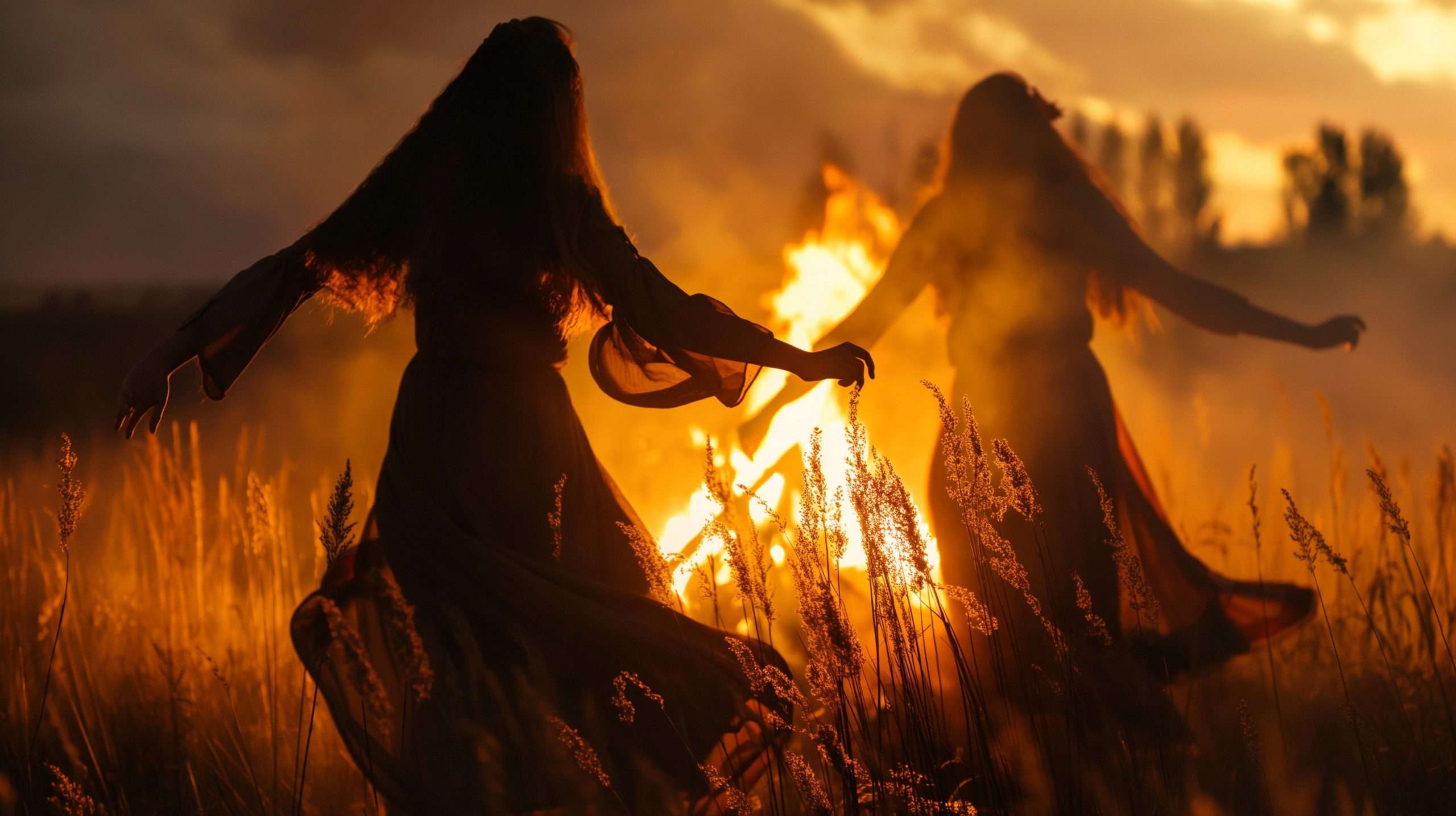


“Night of the turning, night of the doors, where the old year dies, and where the new year waits without sound until we choose its side.”
— Carmina Gadelica, Vol. II (1900)
Samhain is an ancient Celtic festival marking the end of harvest season and the beginning of the darker, colder months, the spiritual hinge of the year. Celebrated on the evening of October 31st into November 1st, it was a threshold time when the veil between worlds grew thin, allowing spirits to cross over and the past to rise again. Centuries later, these customs merged with Christian observance to create All Hallows Eve, and eventually, Halloween. But unlike the modern incarnation of costumes and candy, Samhain marked a crossing-place between identities.
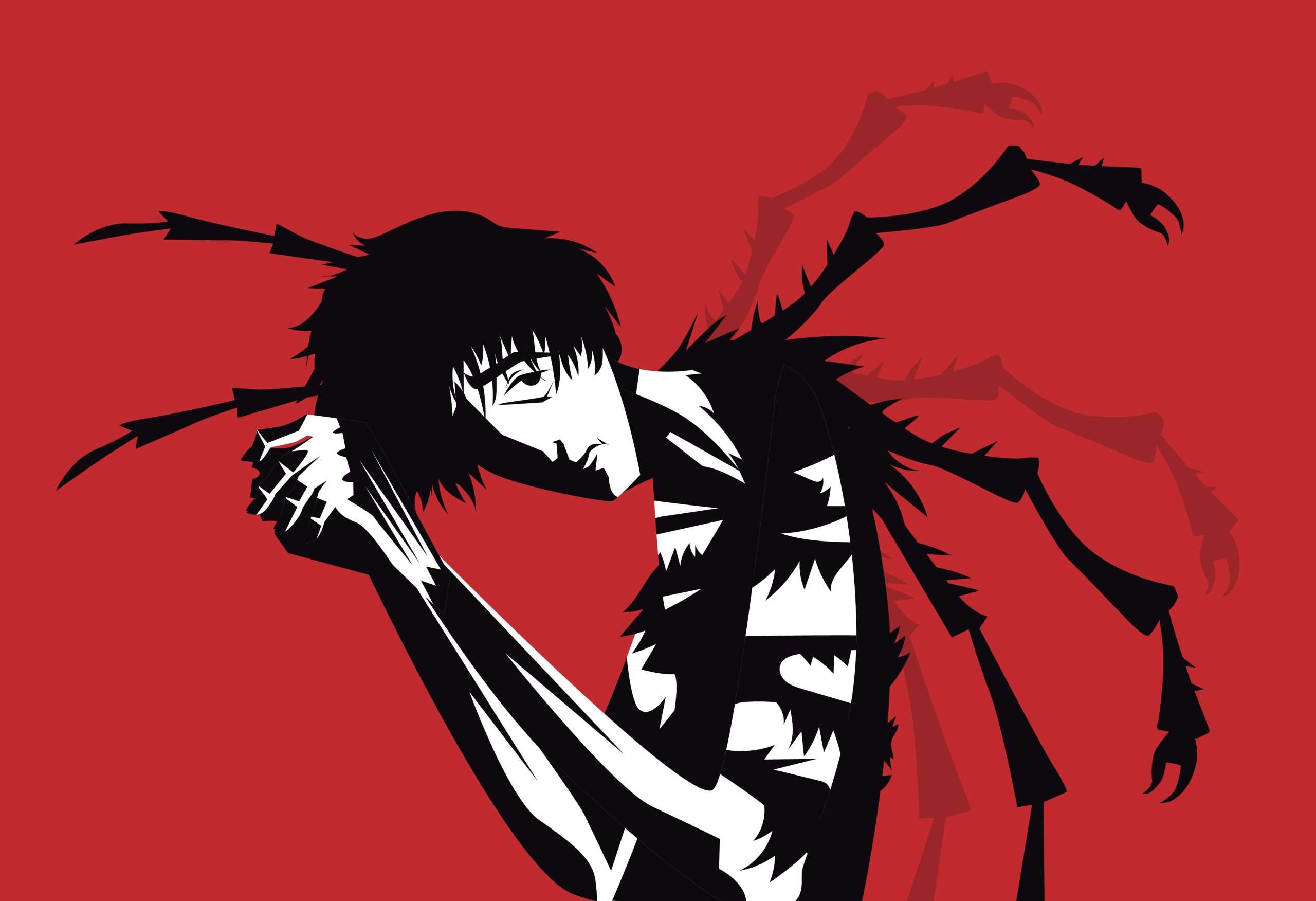
The ancient Celts wore masks as protection — not to hide, but to move through the night unrecognized by what might try to claim them. Samhain was a liminal time when the normal order was suspended and transformation became possible. Some scholars interpret the mask as serving a deeper purpose: in this season when boundaries dissolved, it protected against being reclaimed by what they were leaving behind. Old loyalties, old wounds, old versions of who they once were. The mask said: I walk among what I once belonged to, but I do not belong to it now. It was a safeguard for the new self trying to emerge.
In addiction, I learned the opposite. I wore the mask to hide from the present: pretending to be fine when falling apart; wearing a smile to avoid questions; laughing at parties while dying inside; saying ‘I’m good’ when I meant ‘I’m drowning.’ The mask kept me functioning, but it cost me my life. It wasn’t protection. It was concealment.
Recovery doesn’t demand that I rip the mask away all at once. But it does ask me to notice when I’m hiding — when the mask protects me, and when it suffocates me. I begin to see the difference between honoring my boundaries and avoiding discomfort. The work is not to stay hidden until I feel perfectly safe — it is to risk being seen before I’m ready, to grow into a self that no longer needs the disguise. There is a moment in healing when the past rises to ask, “Are you still mine?” and the work is to answer with who I am becoming.
The past will always know our names — but it is our identity, not our memory, that keeps it alive. Tonight the veil is thin. Not just between worlds, but between who we were and who we are becoming. Are we standing in the doorway out of fear, or are we ready to cross? Samhain is a threshold. Thresholds demand an answer. Choose.
Source note: The opening quote is a direct English translation of a Samhain threshold prayer preserved in Carmina Gadelica, Vol. II (1900), a collection of Gaelic oral tradition compiled by Alexander Carmichael in the Scottish Highlands.
Where am I wearing a mask that no longer protects me?
What old loyalty or wound keeps pulling me back toward who I used to be?
What does the new self trying to emerge need from me right now?
When I stand at the door between who I was and who I’m becoming, which way am I facing?