


"Cure her of that.
Canst thou not minister to a mind diseased,
Pluck from the memory a rooted sorrow,
Raze out the written troubles of the brain,
And with some sweet oblivious antidote
Cleanse the stuffed bosom of that perilous stuff
Which weighs upon the heart?"
— Macbeth, Act V, Scene 3
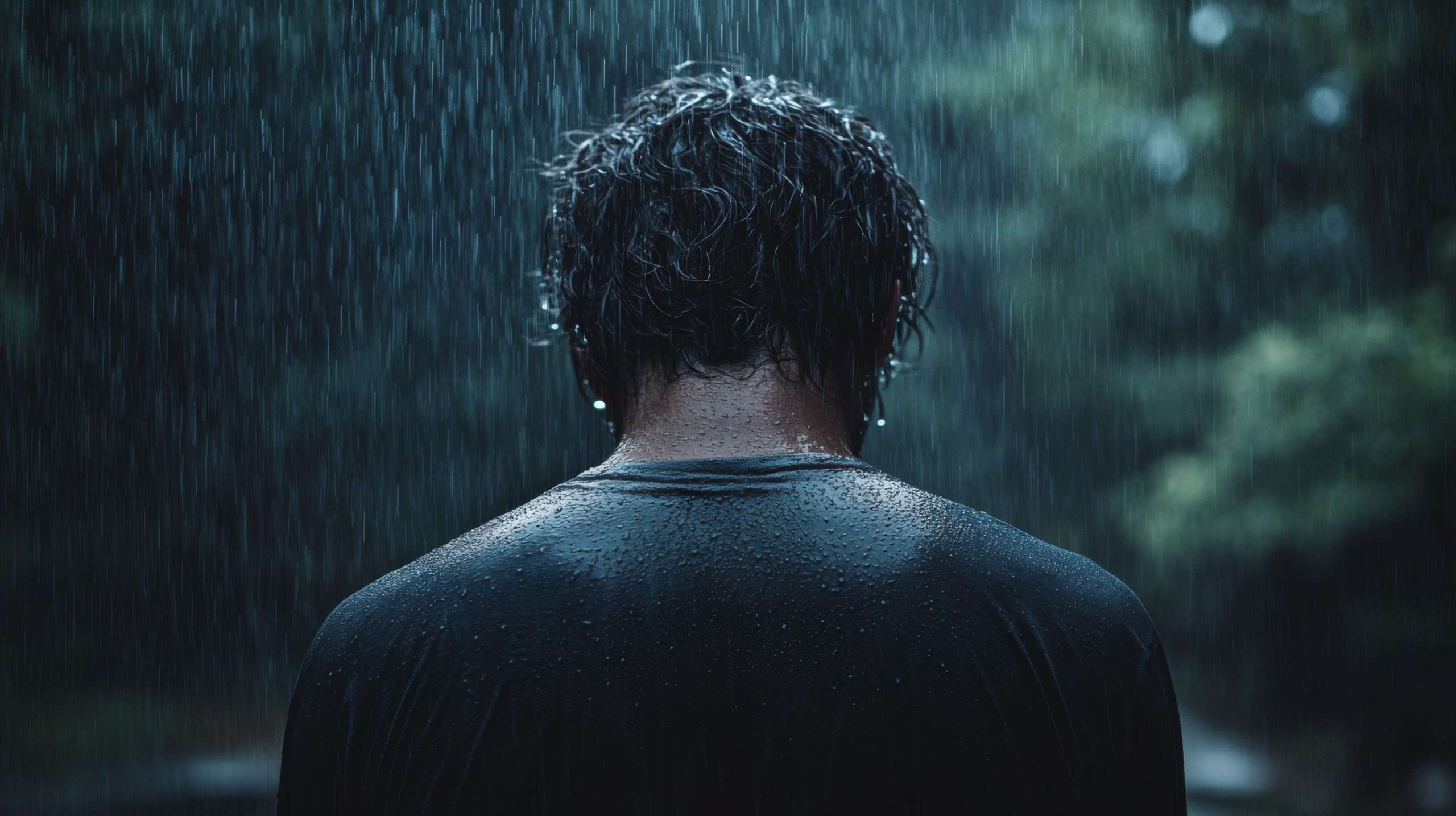
Macbeth’s plea to the Doctor feels timeless. It isn’t about a fever or a wound; it’s about the torment that sits in the heart and mind. He asks for a cure for sorrow — for something to pluck it out and wash it away. Most of us in recovery recognize that wish: if only there were a medicine, a ritual, a person who could erase the ache that makes us restless.
The original meaning of the word disease was simply “lack of ease.” And ease itself once meant peace, rest, freedom from pain or effort. That’s what Macbeth is describing — the loss of that inner steadiness, the heaviness of memory, the sorrow that refuses to lift. In our own lives, it is often this inner dis-ease that fuels the return to old habits. As the book Alcoholics Anonymous describes, we were “restless, irritable, and discontented, unless we could again experience the sense of ease and comfort which comes at once by taking a few drinks.”
Long before the words alcoholism and addiction were coined, Shakespeare was already writing about this false promise. In Macbeth (Act II, Scene 3), the Porter mocks what drink actually delivers: “Lechery, sir, it provokes and unprovokes: it provokes the desire, but it takes away the performance.” The “sweet oblivious antidote” turns out to be no antidote at all.
The tragedy of addiction is not the bottle but the escape — to forget the true self that can connect, love, and belong. The Big Book reminds us that our real affliction isn’t the substance but the tyranny of self — that self-preoccupation, that inward turning that separates us from life. This is the soul-sickness, the real dis-ease.
The paradox is that recovery, too, calls for self-forgetting, but of a different kind: not escape from the self, but freedom from its control. Where addiction seeks oblivion — the numbness that dulls the pain — recovery seeks release, the freedom that comes from letting go. The Steps don’t add anything new; they clear away the noise so we can remember who we are and who we can still become. When we stop fighting anyone or anything — even ourselves — ease returns quietly, like something that had been waiting all along. It’s not the comfort of escape, but the peace that comes from right-sized living — from being restored to our proper place in the flow of things.
How much of my seeking has been a search for an “oblivious antidote” rather than true healing?
What would it mean today to tend my own mind with patience and honesty, instead of trying to escape its unease?
When do I trade what’s real for what only feels like relief?
What would ease feel like if I stopped trying to earn it and simply allowed it to be?