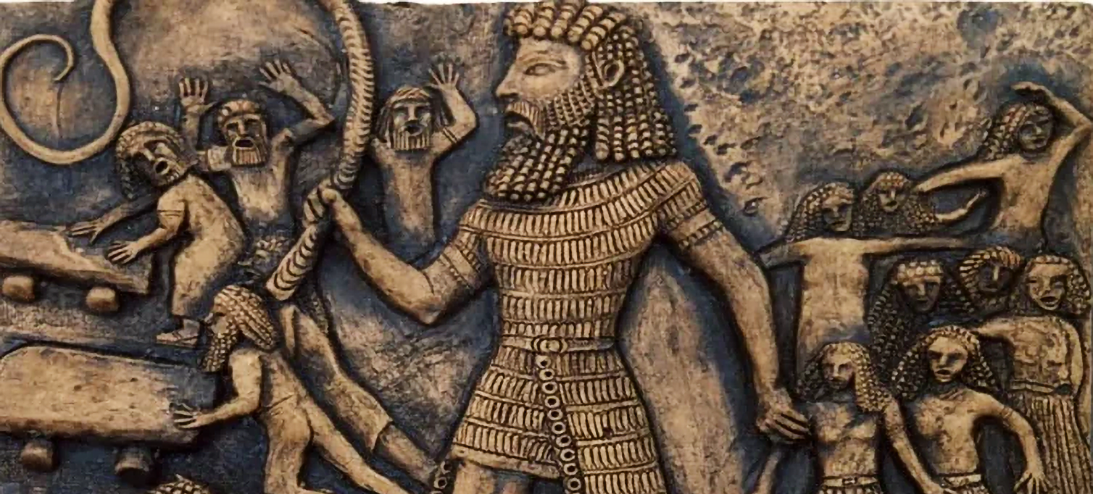
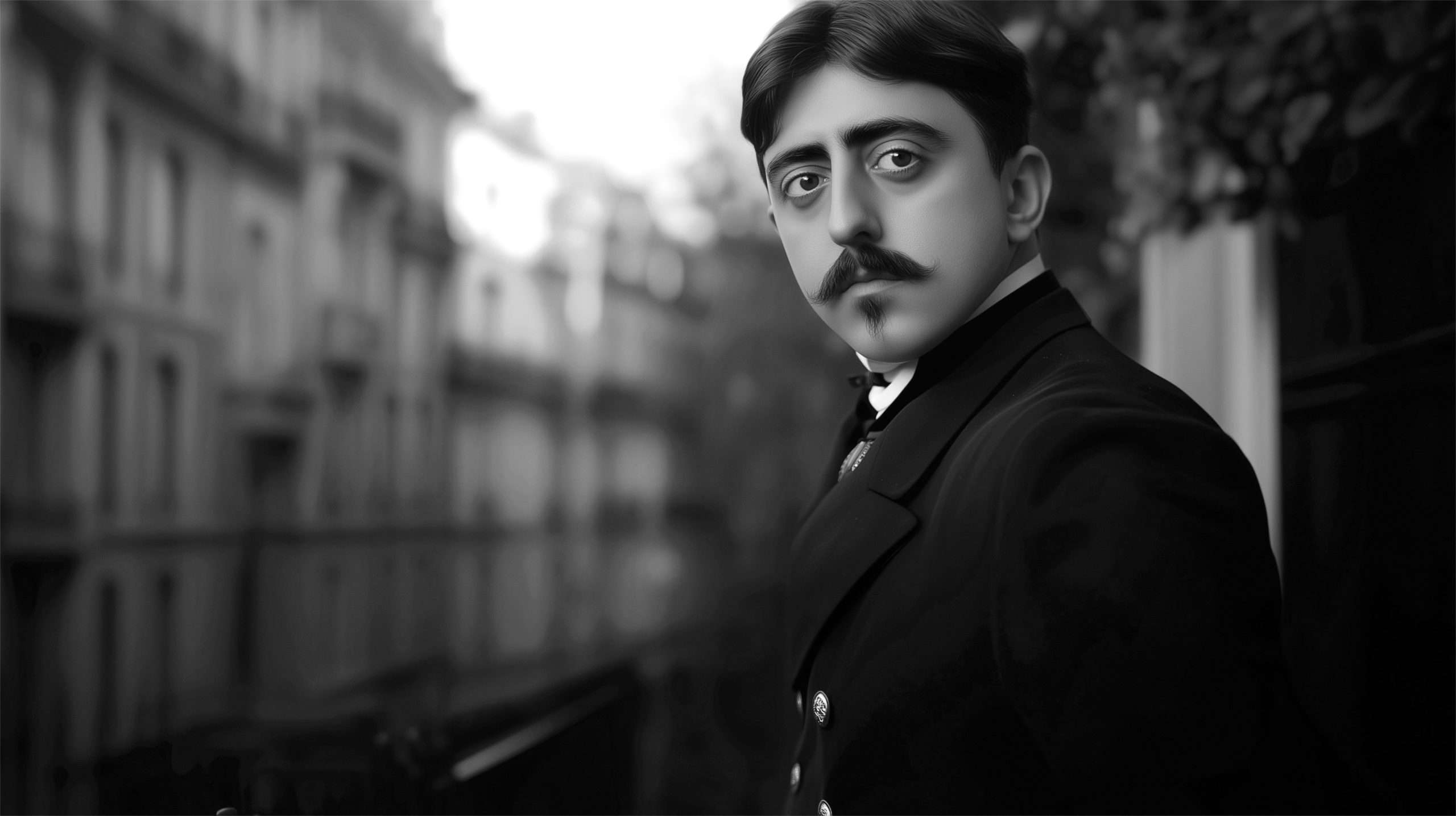


“The only true voyage of discovery, the only fountain of Eternal Youth, would be not to visit strange lands but to possess other eyes, to behold the universe through the eyes of another, of a hundred others, to behold the hundred universes that each of them beholds, that each of them is; […] with men like these we do really fly from star to star.”
— Marcel Proust, In Search of Lost Time (The Prisoner, 1923), trans. C.K. Scott Moncrieff
Marcel Proust (1871-1922) spent the last years of his life writing in near-total isolation from a cork-lined bedroom in Paris, battling severe asthma and rarely leaving his room. From this cocoon of solitude, he produced In Search of Lost Time—seven volumes exploring how memory and awareness shape our understanding of life. Despite physical confinement, Proust created a monument to the power of perception itself.
In this passage, Proust reveals a profound insight: every person carries their own universe of experience. To “possess other eyes” is to enter those worlds—to understand life as others do, through curiosity rather than judgment. The real voyage is inward, about a shift in perspective rather than change of scenery. For Proust, art becomes a sacred act of empathy, opening portals into consciousness and helping us transcend our limited viewpoint.
Recovery is built on the same revelation. Open-mindedness—the willingness to see through eyes other than our own—is what makes transformation possible. The Steps train us to exchange rigid thinking for receptive understanding, to release our grip on fixed certainties, and to become curious about perspectives beyond our narrow view.
When we listen in a meeting, we practice Proust’s art. Each story reveals a different universe. A young addict from the city, a mother in grief, an elder sober forty years—all can describe the same spiritual terrain in different language. When I set aside my assumptions and truly listen, I travel without leaving my seat. My world expands through theirs.
The same is true when I work the Steps with a sponsor, or read recovery literature from within and beyond the fellowships. Each voice, each approach, offers a new way of seeing what I could not see alone.
Proust said the fountain of youth lies in possessing other eyes. In recovery, open-mindedness is that fountain—the renewal that comes when we stop insisting ours is the only valid perspective. The voyage is inward, but it happens through others. We cannot do this alone.
How willing am I to see through the eyes of others today?
What parts of myself become clearer when I truly listen?
Where do I still resist new vision, clinging to my old interpretations?
How might empathy itself be the fountain of youth Proust describes?