

The reason we struggle with insecurity is because we compare our behind the scenes with everyone else’s highlight reel.
— Steven Furtick (2011)
We live in an age of infinite mirrors. Every screen reflects back an image that is curated, filtered, perfected. But what happens when the mirror is a lie?
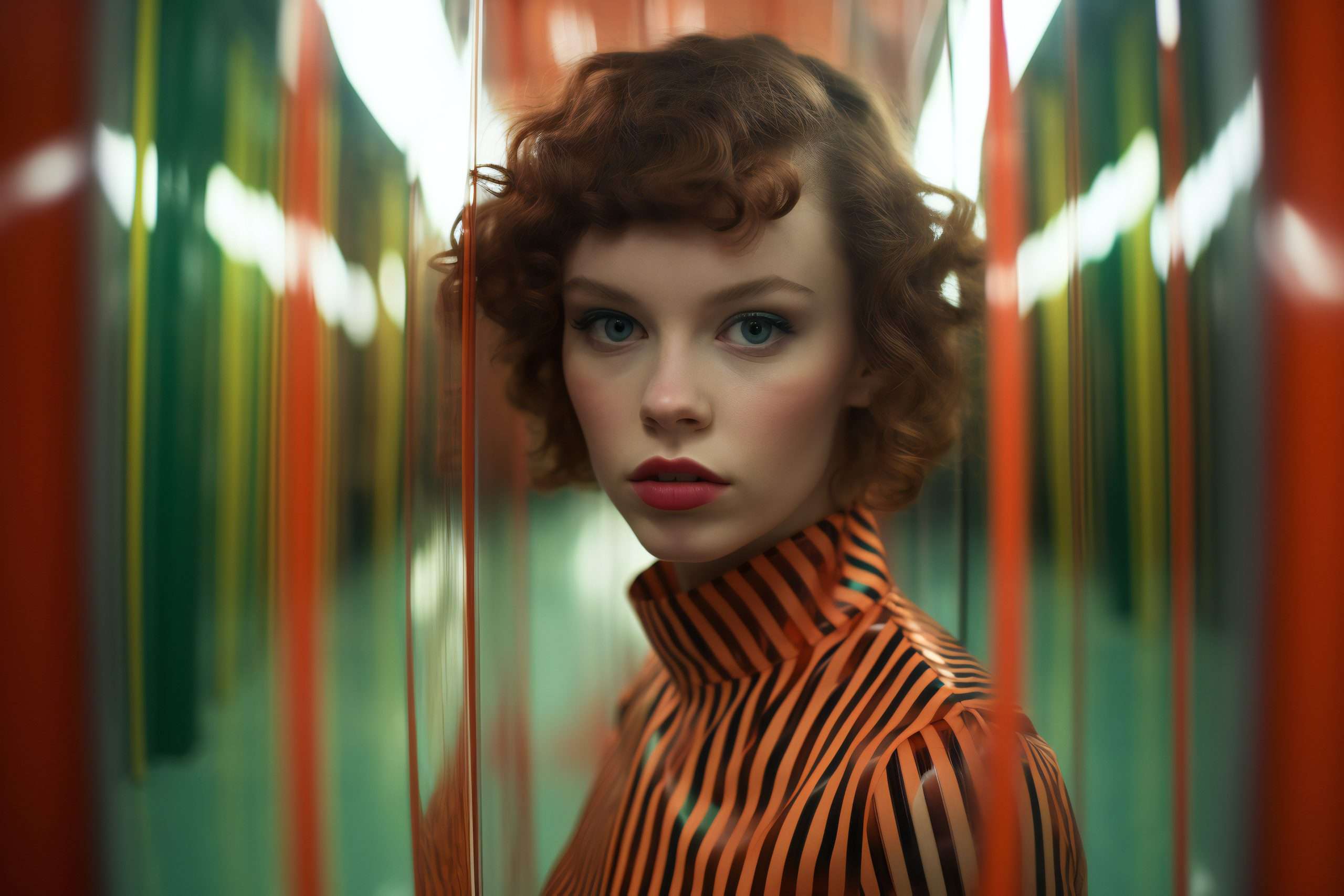
Historically, people might catch their reflection a few times a day. A bathroom mirror, a shop window, perhaps a glimpse in a car door. Now every screen is a mirror. Phone cameras. Zoom calls. Social media. We see ourselves constantly, more than any generation in history, and not just ourselves, but polished versions of everyone else. These digital mirrors allow editing before looking. Smooth the skin. Narrow the nose. Brighten the eyes.
When the “perfected” filtered version becomes what we expect to see, the real reflection starts to look wrong. The actual face becomes the flaw. The lie becomes the standard.
Many of us recognize some version of this struggle. The extra glance in the mirror. The photo deleted because the angle wasn’t right. The face scrutinized for flaws no one else notices. For some, these moments pass quickly. For others, they consume hours. Body Dysmorphic Disorder sits at the extreme end of this spectrum, a relentless preoccupation with perceived defects that others cannot see, where what stares back bears no resemblance to reality. But even those who don’t meet the clinical threshold can find themselves waging wars in the house of mirrors.
Research confirms that viewing idealized images has a direct negative effect on body satisfaction, and the relationship is causal. The mechanism is comparison. We measure ourselves against impossible standards and find ourselves lacking. In 2018, cosmetic surgeon Tijion Esho coined “Snapchat Dysmorphia” after patients began arriving with filtered selfies, asking to look like versions of themselves that could never exist outside a screen. With AI-generated images now flooding our feeds, this is accelerating. We’re no longer just comparing ourselves to filtered humans, but to faces that never existed at all. Dating apps amplify this further, turning human connection into a rapid-fire competition of polished images.
But it’s not the platforms themselves that cause the harm. It’s how we use them. Passive scrolling through appearance-focused content predicts distress. The algorithm feeds what we already fear. Those of us with a history of addiction already know comparison as a thief. Many of us used substances or behaviors to escape the unbearable feeling of not measuring up. Social media simply industrializes that old hurt, offering endless opportunities to feel inadequate. For people rebuilding their sense of self after addiction, the constant exposure to idealized images can threaten fragile progress. Recovery asks us to find worth beyond external validation. The filtered feed works against that healing.
So what helps? Limiting time on image-based platforms. Curating feeds toward body-positive content. Taking deliberate breaks. One study found that cutting social media use in half for just three weeks measurably improved how people felt about their bodies. It also helps to pause and ask, Is what I’m thinking about myself actually true, or is it a warped belief reinforced by what I’ve been seeing? For those struggling more severely, Cognitive Behavioral Therapy can help challenge these thought patterns.
The feeds will keep reflecting. The filters will keep perfecting. But we get to choose what we consult—our selfies or our sense of self—and whether what we see is the whole truth or merely a distorted fragment. The mirror never tells the full story. It cannot see our growth, our resilience, or the work we do each day to stay well.
For those interested, the Body Dysmorphic Disorder Foundation offers a brief screening questionnaire: https://bddfoundation.org/information/do-i-have-bdd-test/
What sources am I consulting that distort rather than reveal?
When comparison arises, what wound is it touching?
How might my self-perception shift if I measured my worth by something other than how I look?
What would it mean to be enough, not despite my appearance, but apart from it entirely?