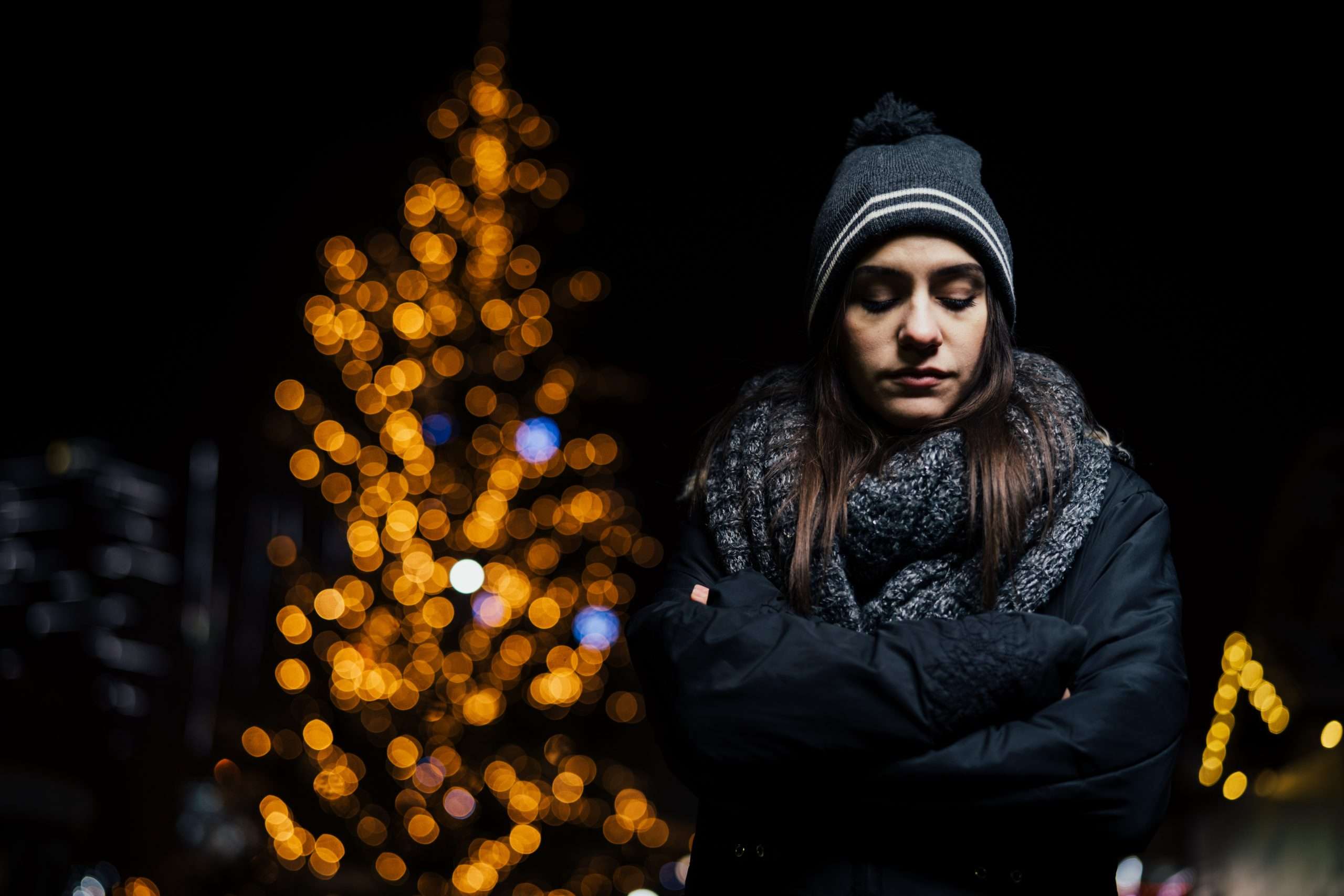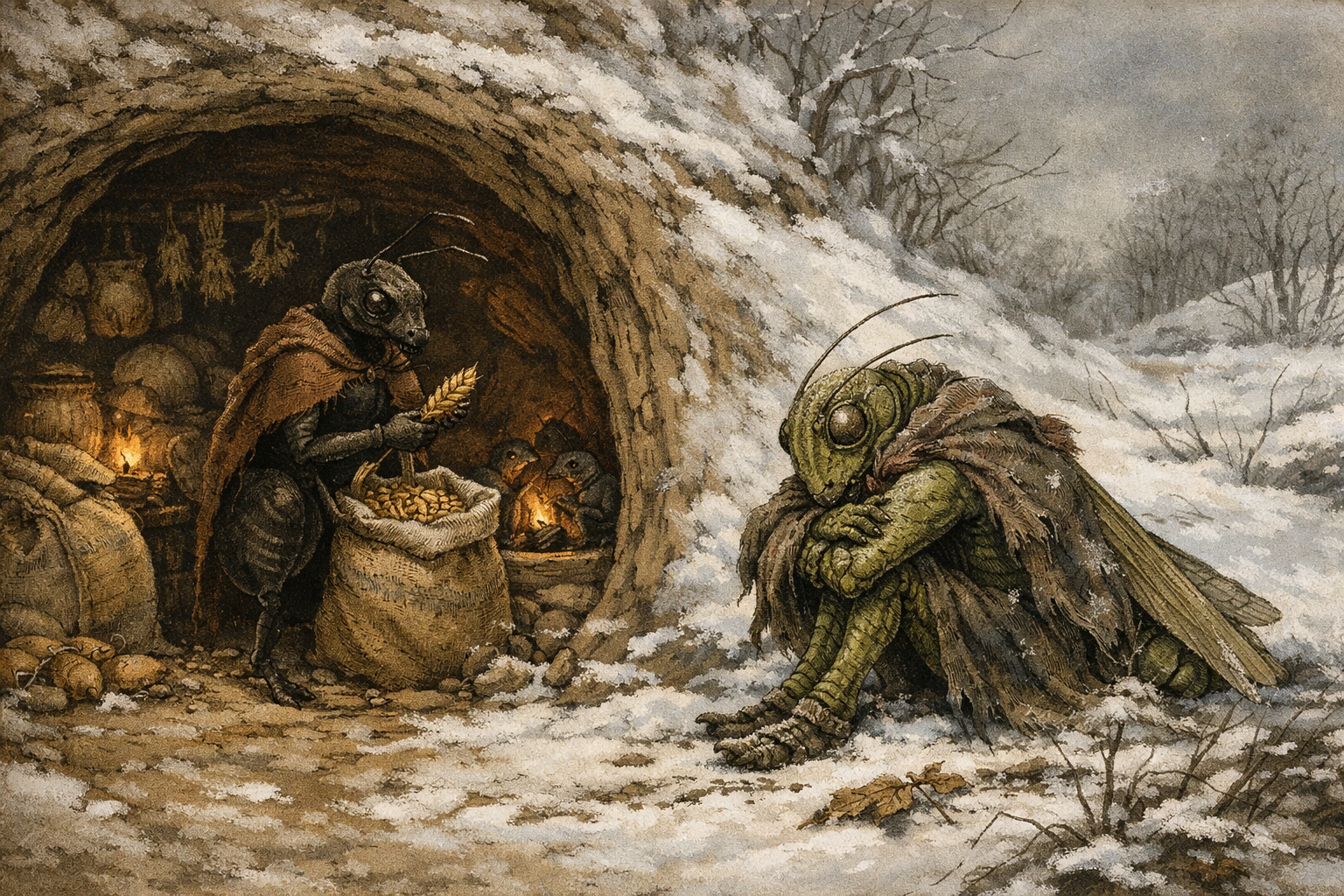


A limitation is something that is put in our way. A self-limiting belief is something we have put in our own way.
— Phil Hansen, Self Limiting Beliefs (2022)
Phil Hansen was an art student when his drawing hand began to shake uncontrollably. Permanent nerve damage. He dropped out of art school and gave up on his dream entirely. Years later, he realized that while the shaky hand was a real limitation, a physical reality that others could see and that wouldn’t change with hindsight, what actually kept him from making art was his belief that an artist can’t have a shaky hand.
Hansen calls this the difference between limitations and self-limiting beliefs. Limitations are the mountains, the weather, the storms we cannot control. Self-limiting beliefs are the stories we tell ourselves about those storms. Stories that often do more damage than the storms themselves. A limitation allows for possibility. A self-limiting belief blocks all paths and leaves no room for alternatives.
Hansen calls these beliefs “ghosts in the machine.” Invisible code running in the background, shaping our choices without us even knowing it. If we don’t get clear about them, they can partly determine our fate.
When we arrive in recovery, we arrive with real limitations. The body that became dependent. The relationships that fractured. The years we cannot reclaim. These are facts. But wrapped around every limitation are beliefs. We absorb them from family, from culture, from the voice of shame that whispers we are too broken to change. These beliefs are invisible. They feel like truth. And because they go unexamined, they run the show.
Hansen discovered that beliefs form through a simple loop. We have an experience, we add meaning, we draw conclusions, we take action. Then we loop back, filtering future experiences through the beliefs we’ve already formed. The loop confirms itself. A person laughs during your presentation and suddenly you believe you need more practice. Someone rejects you and you conclude you are unlovable. The belief becomes a lens, and everything you see is colored by it.
But as we all know, beliefs can change. Unlike the nerve damage in Hansen’s hand, beliefs are not fixed realities. They are stories. And stories can be rewritten. When Hansen stopped believing that artists must have steady hands and started asking “how can I make art with a shaky hand,” everything shifted. The limitation remained. The belief dissolved. And his art became richer for it.
Those of us in recovery can ask ourselves the same question. Not “how do I erase my past?” but “how do I build a life with this history?” The Twelve Steps are essentially a practice of uncovering the beliefs that kept us trapped. Resentments, fears, patterns of relating. We replace them with something more honest. We cannot change what happened. We can change what we believe it means.
What limitation in my life have I confused with a self-limiting belief?
What story am I telling myself that closes doors rather than opens them?
Where did that belief come from, and is it actually true?
What would become possible if I stopped asking “why can’t I?” and started asking “how can I?”