

Wild animals run from the dangers they actually see, and once they have escaped them, worry no more. We however are tormented alike by what is past and what is to come. A number of our blessings do us harm, for memory brings back the agony of fear while foresight brings it on prematurely. No one confines his unhappiness to the present. We suffer more in imagination than in reality.
— Seneca, Moral Letters to Lucilius (65 AD), Letter 13
Lucius Annaeus Seneca was a Roman Stoic philosopher and advisor to Emperor Nero. His Letters to Lucilius, written near the end of his life, remain among the most practical guides to living well ever composed. This passage comes from Letter 13, On Groundless Fears.
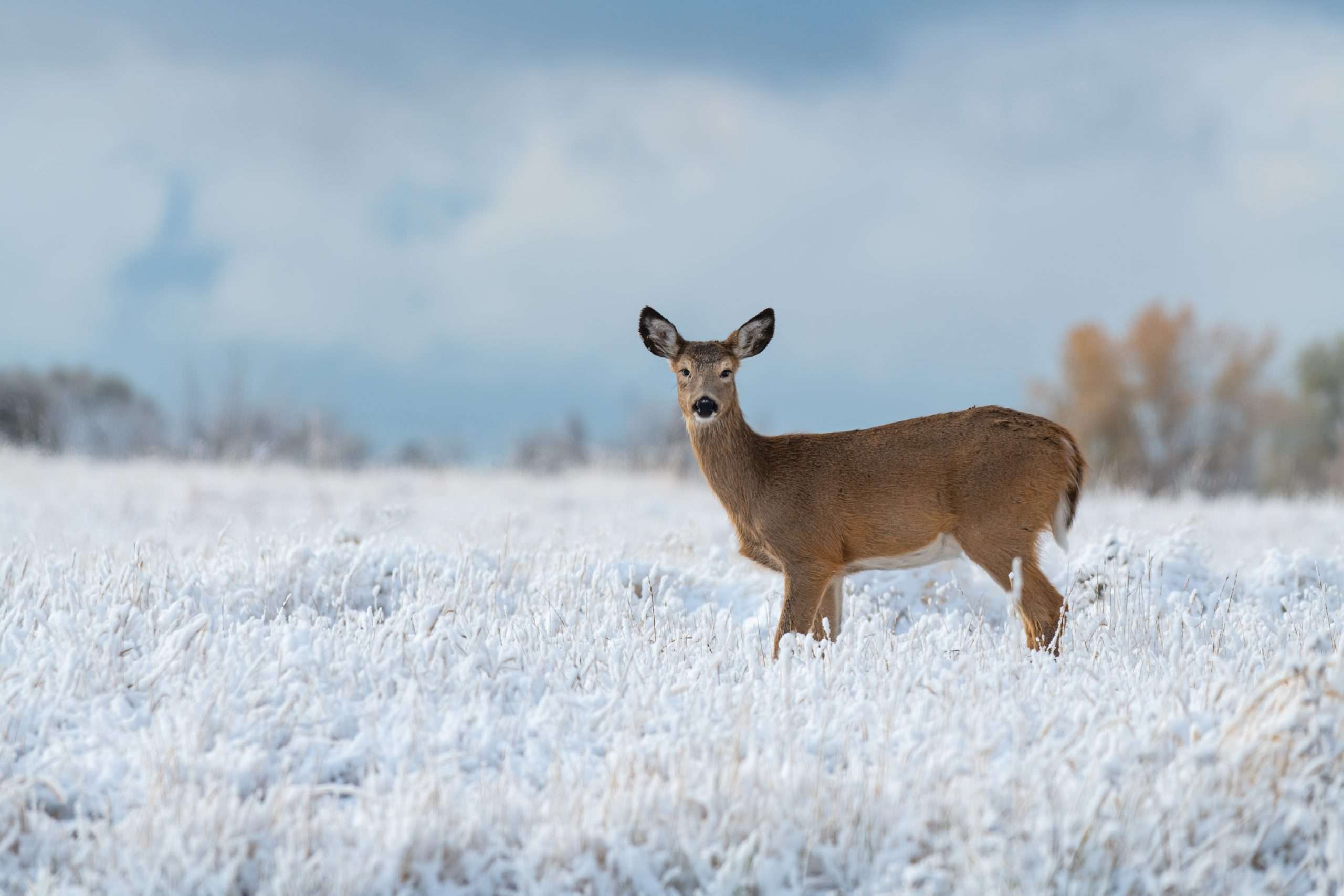
The deer bolts when it sees the wolf. Once the wolf is gone, the deer returns to grazing. It doesn’t spend the afternoon replaying the chase or scanning the horizon for wolves that might appear next week. But I have spent whole seasons running from wolves that never came.
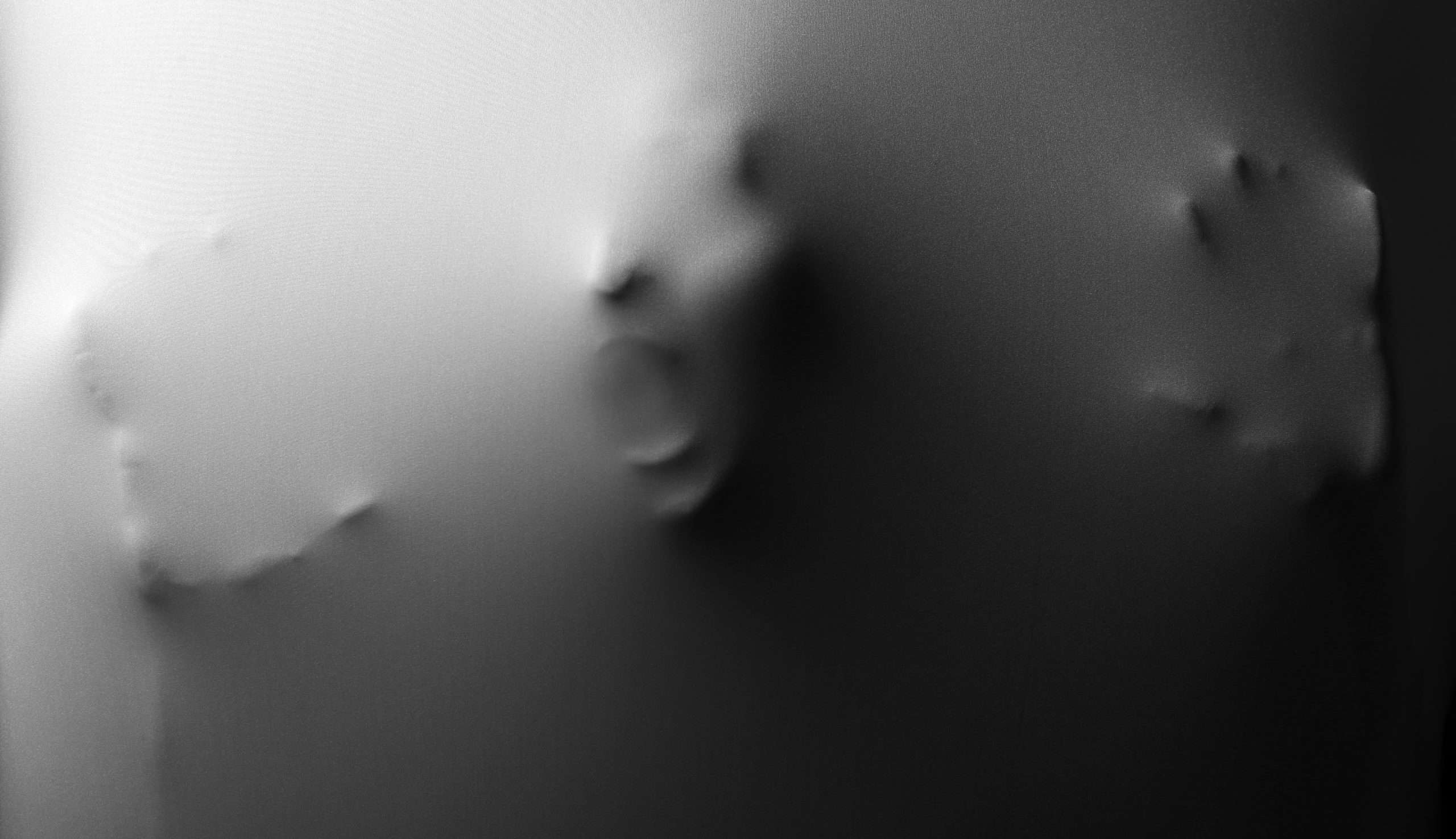
In active addiction, I lived stretched between what was and what might be. Shame pulled me backward—over relapsing again, over letting down my family and friends, over promises I couldn’t keep. Fear pushed me forward—over consequences already in motion, over what I was becoming, over facing the wreckage without my only escape. Caught between these two eternities, I was frozen. A deer in headlights, unable to act in the only moment that actually existed.
Seneca suggests we not be unhappy before the crisis comes. The dangers we dread may never arrive—and they certainly haven’t yet. I have spent countless sleepless nights dreading conversations that went fine, outcomes that never materialized. Seneca asks, “How often has the unexpected happened! How often has the expected never come to pass!” The mind treats possibility as certainty, and we pay the price in advance. And even if it is coming, we will suffer soon enough when it arrives. There is no need to run out to meet it.
He urges us to test our fears rather than accept them. He compares us to soldiers fleeing a dust-cloud raised by stampeding cattle, never stopping to see if the threat is real. We hear rumour and treat it as fact. We feel anxiety and assume it means danger. But feelings are not evidence.
He asks us to question the suffering itself. Am I tormented without sufficient reason? Am I turning something neutral into a catastrophe? The thing we’re dreading may not be as catastrophic as we imagine. And if the worst does happen, Seneca’s answer is almost defiant. “Well, what if it does? Let us see who wins.” The thing we dread may become the thing that defines us.
He closes the letter with a line from Epicurus. “The fool, with all his other faults, has this also—he is always getting ready to live.” We lay down new foundations every day, preparing for a life we never actually inhabit. The remedy is to stop preparing and begin. Today is not a rehearsal.
Today I can ask, what is actually happening? Not what happened. Not what might happen. If there is no wolf at the door, I can let myself graze.
What fears am I carrying that belong to the future rather than the present?
Have I tested them, or simply accepted them as true?
When my mind replays past failures, what am I hoping to accomplish?
If the worst did happen, could I face it? What would it mean to stop preparing for life and actually begin living it today?