Join the mailing list
New AWAKENINGS in your inbox, along with occasional notes from the path.
Awakenings · page 27 of 30
-
The daily gratitude list can serve as a Step 10 recovery practice—a counter to resentment. This tiny habit, whether shared or private, is a daily inventory that steadies us and turns awareness into action.
-
Transcendentalism and 12-Step recovery share a lineage through William James—each emphasizing direct spiritual experience over doctrine, where conscious contact means presence, honesty, and the practical clarity of living deliberately.
-
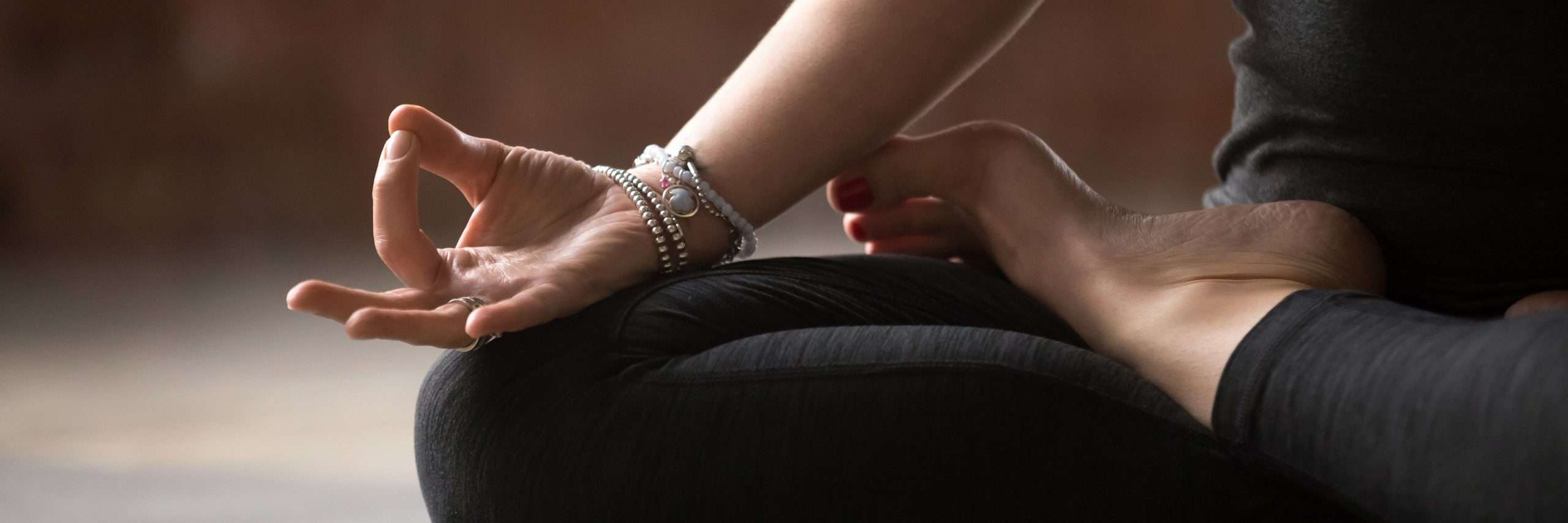
David Swenson teaches that yoga is a moving meditation where breath meets body. Like trees growing toward light, we find stillness through motion. Step 11 becomes embodied practice — conscious contact discovered not despite our restless minds, but through them.
-
Disease once meant “lack of ease.” Shakespeare saw addiction’s false promise of relief. The real affliction is self-preoccupation separating us from life. Recovery offers a different self-forgetting: not escape, but release from the ego’s tyranny.
-
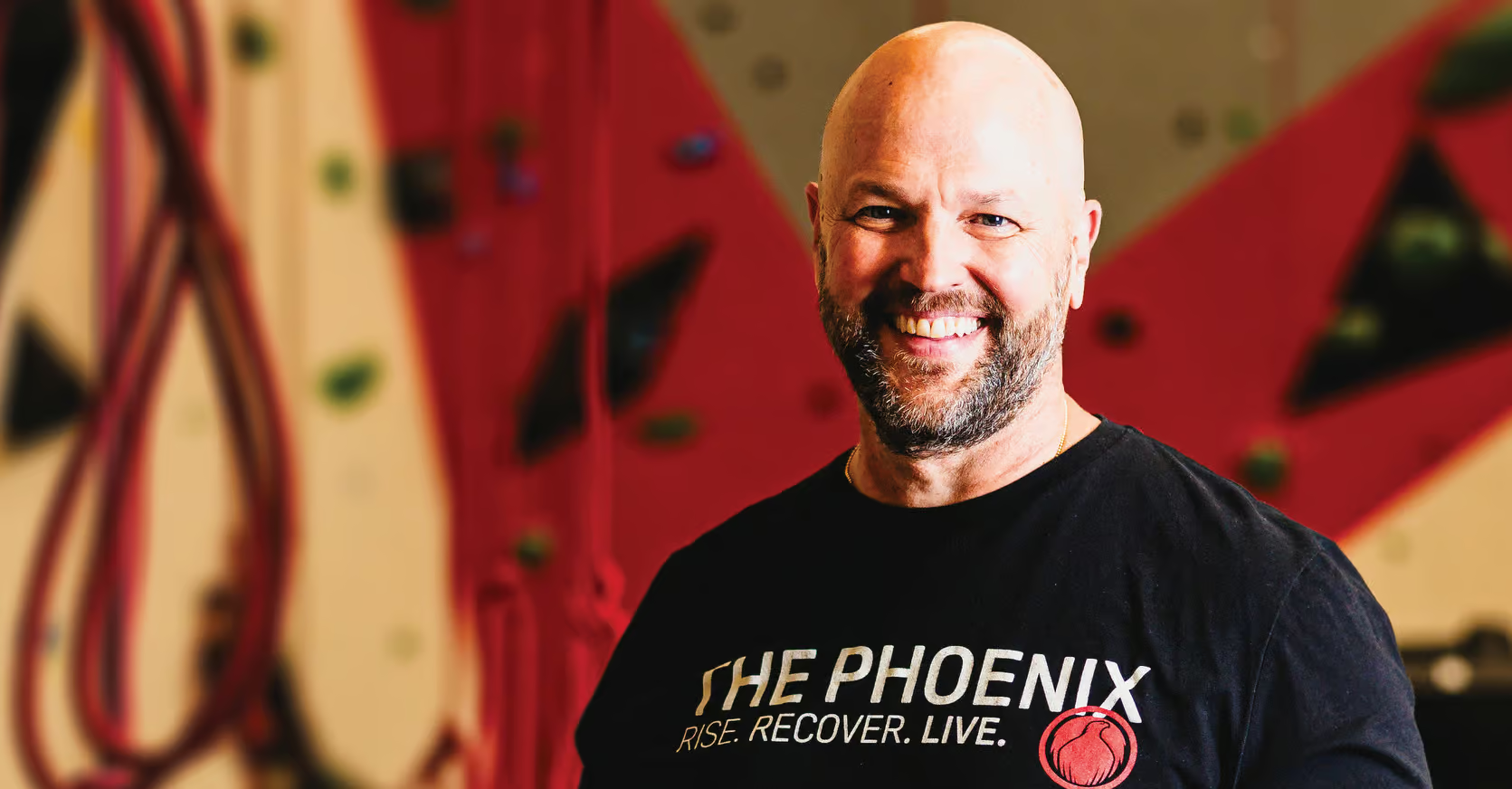
From addiction’s depths to mountain summits, Scott Strode discovered that recovery happens through movement and community. The Phoenix and Unbroken Recovery prove healing isn’t done alone—we rise through each other.
-
John Main’s contemplative practice offers a path to Step Eleven’s “conscious contact.” Through silence, mantra, and daily discipline, we learn to quiet mental noise and discover presence—not by escaping life but by fully entering it.