Join the mailing list
New AWAKENINGS in your inbox, along with occasional notes from the path.
Awakenings · page 28 of 30
-
Recovery is a vow we make with ourselves—for better or worse. Our “character defects” are actually defaults: old survival strategies. We can acknowledge them with compassion, thank them for their service, and willingly reset them.
-
Recovery’s literature provides the design for living, but fellowship—meetings, sponsorship, service—transforms information into experience. The medium is the message: showing up rewires us from isolation to connection in ways reading alone cannot.
-
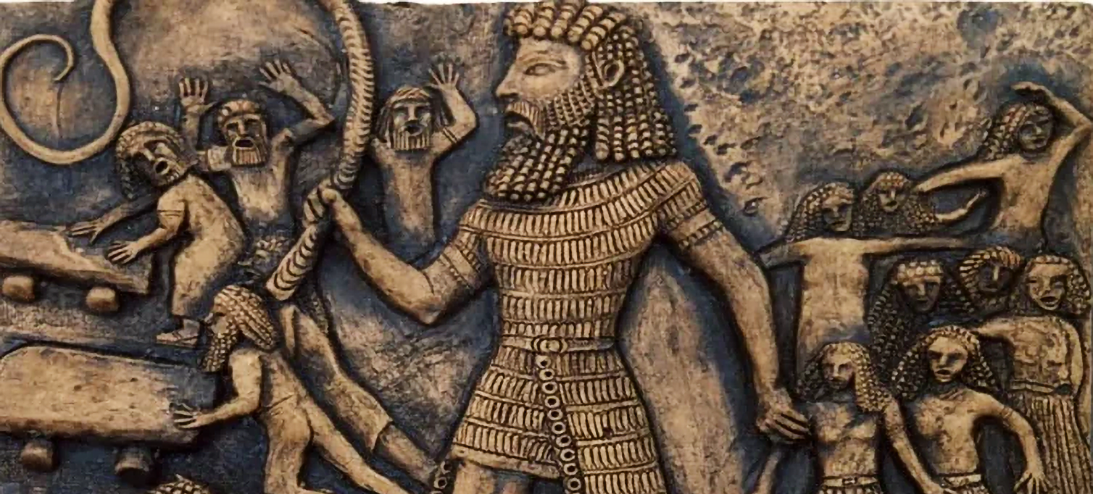
Recovery mirrors the hero’s journey: called by surrender, guided through trials by fellowship, and transformed by service. The labyrinth we thought was ours alone has been walked before. Our shared treasure is bringing hope back to others.
-
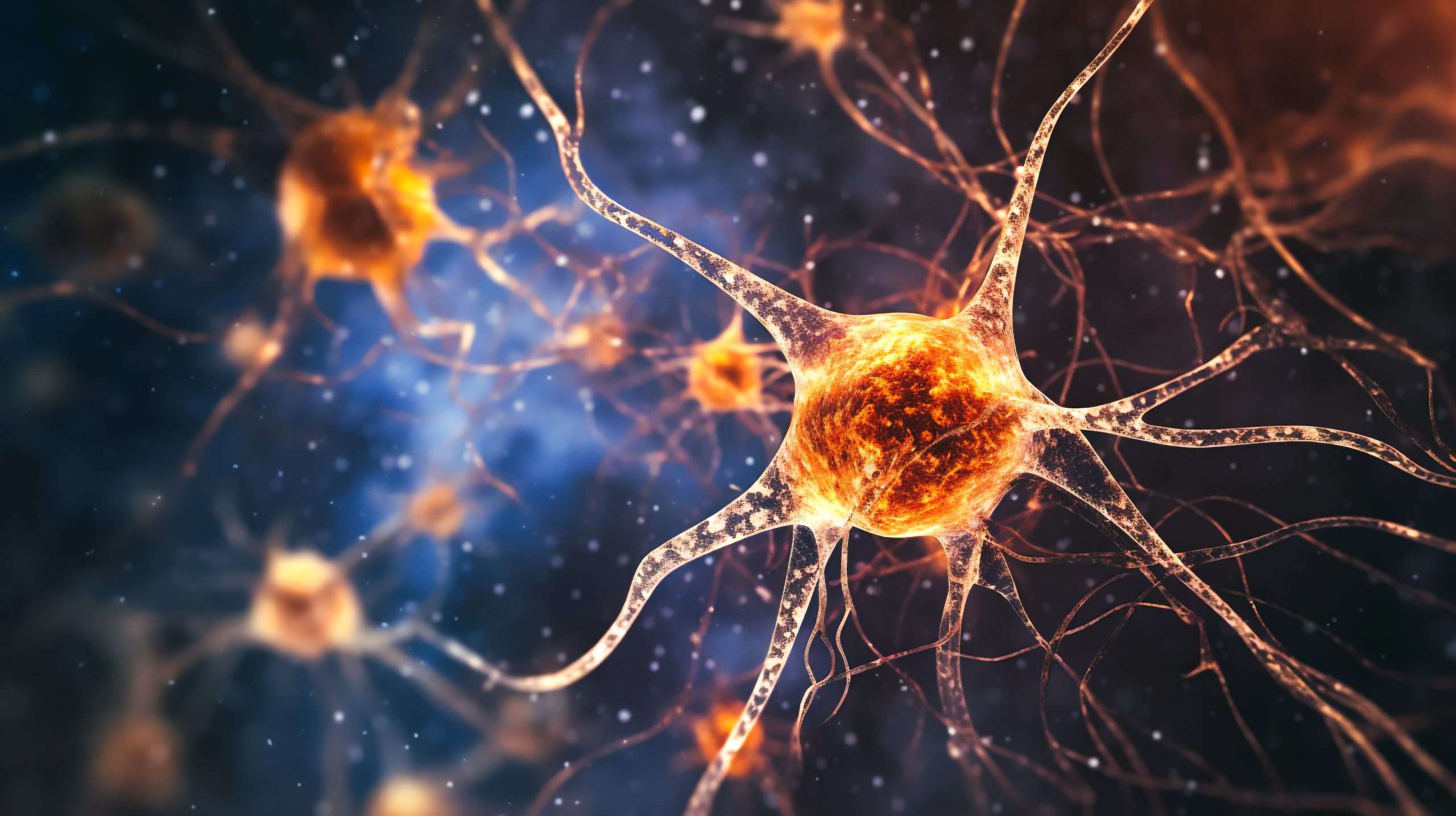
Neuroplasticity shows the brain can change through repeated action. In addiction, we hardwired destructive patterns. In recovery, the Steps rewire us through daily practice—transforming thoughts, actions, and emotions until new circuits replace the old.
-
We fight and struggle, believing the effort proves something. Drop the Rock teaches that freedom comes not from swimming harder, but from letting go of the character defects dragging us down.
-
Gary John Bishop’s Unfu*k Yourself teaches that change comes through action, not endless thinking. We’re not defined by our thoughts or feelings, but by what we do—especially true in recovery’s action-based Steps.