

For human beings, life is meaningful because it is a story. A story has a sense of a whole, and its arc is determined by the significant moments, the ones where something happens.
— Atul Gawande, Being Mortal (2014)
I drove to Montreal with my mother on Saturday to visit my aunt. She is eighty-five. She had been living alone in an assisted living apartment after her husband died and her faculties started to slip. She was supposed to move out west the previous week, closer to her daughter in Saskatoon. Then a fall narrowed her world to a room in a hospital, palliative care. It had been over a year since we’d seen her, and the decline was unsettling. She seemed smaller somehow—confined to a bed, fragile, her hearing gone, her memory slipping, confused, alone.
Gawande writes that the body’s decline creeps like a vine. Day to day, the changes are imperceptible. We adapt. Then something happens that makes it clear things are no longer the same. A fall. A diagnosis. A moment when someone we love looks at us and no longer knows our name.
She kept smiling at me and blowing me kisses. I think she was flirting, not remembering who I was. It struck me that near our end, if we live long enough, we revert to something like infancy—as if time were moving in reverse somehow. We flipped through old photo albums together and I saw the fullness of her life. There was a picture of her holding me as a baby. And there I was now, decades later, holding her hand. Life had come full circle. Our roles reversed.
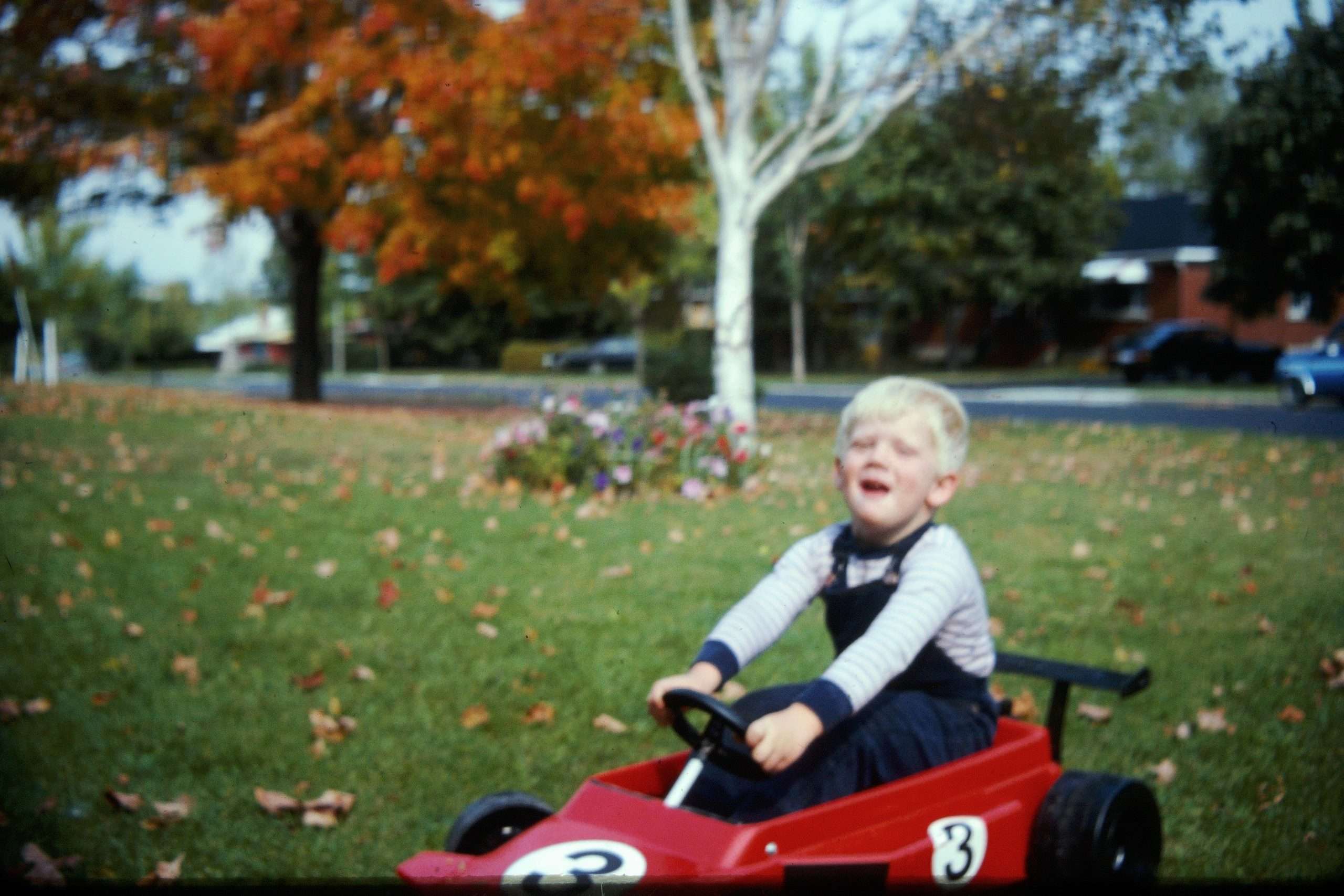
When I got home, I decided to look through some old family photos my brother had scanned. I saw myself growing up. But I also remembered the long gaps when I was not there. I was somewhere else. I was lost in my addiction, absent from the family record.
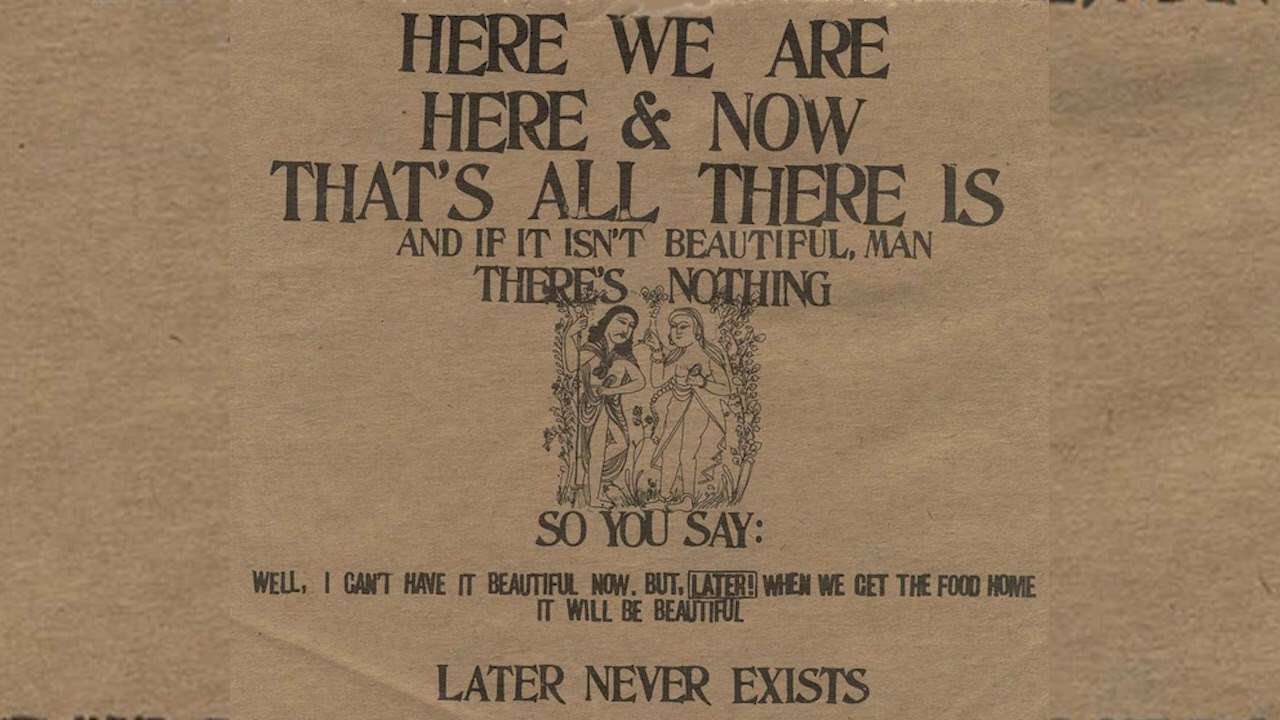
When I turned fifty last year, I became acutely aware that there was more time behind me than in front of me. Unamuno called this the tragic sense of life—humans are the only creatures who know they will die, and this knowledge shapes our existence. There is a gnawing feeling that comes for me—existential anxiety, a sense of running out. Like Proust, I often find myself in search of lost time. But time only flows forward. All we have is now.
Gawande says our deepest fear as we age is not death itself but what happens short of death—losing our hearing, our memory, our way of life, the people who knew us when we were ourselves. The battle of being mortal, he writes, is the battle to maintain the integrity of one’s life, to avoid becoming so diminished that who we are becomes disconnected from who we were.
I fear my aunt has crossed that threshold. But I have not. Recovery’s most precious gift is time—time I nearly forfeited, time that is mine to honour or to waste.
The visit reminded me that I cannot sit in regret. The decline comes for all of us, but today I am here. I got to spend the afternoon with my mother, honouring what we still have while we still have it. I got to witness my aunt’s story, even as she could no longer tell it herself. And I got to see my own story in pictures—not as a record of failure, but as an arc that bent, and turned, and came back home.
What story am I telling with the time I have left?
Where have I been absent that I might return to now?
What does it mean to honour someone whose memory can no longer hold me?
If this day becomes part of my story, what do I want it to say?