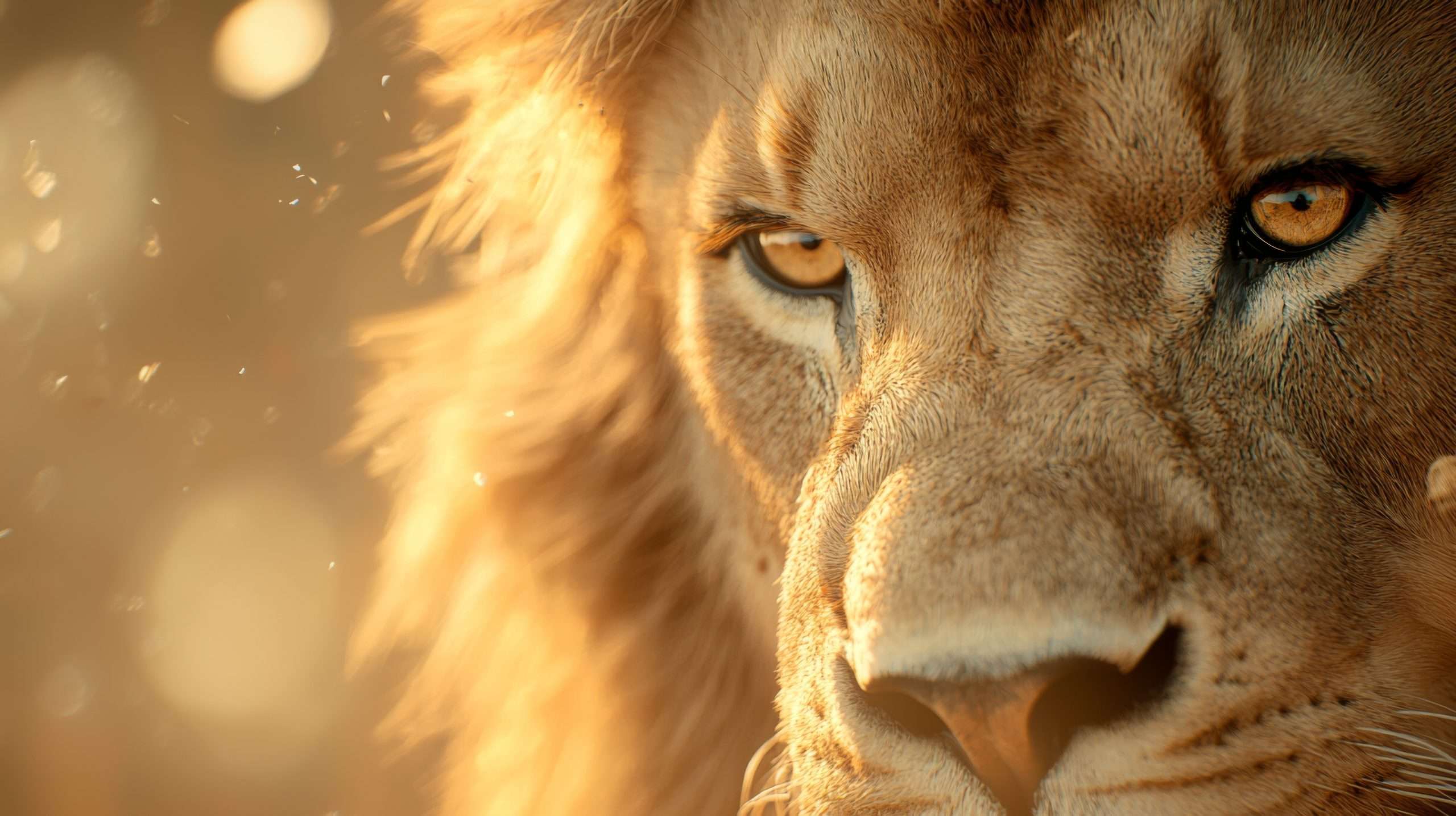


Then the lion said—but I don’t know if it spoke—’You will have to let me undress you.’ I was afraid of his claws, I can tell you, but I was pretty nearly desperate now. So I just lay flat down on my back to let him do it. The very first tear he made was so deep that I thought it had gone right into my heart. And when he began pulling the skin off, it hurt worse than anything I’ve ever felt… Then he caught hold of me—I didn’t like that much, for I was very tender underneath now that I’d no skin on—and threw me into the water. It smarted like anything, but only for a moment. After that it became perfectly delicious… I’d turned into a boy again.
— C.S. Lewis, The Voyage of the Dawn Treader (The Chronicles of Narnia, 1952)
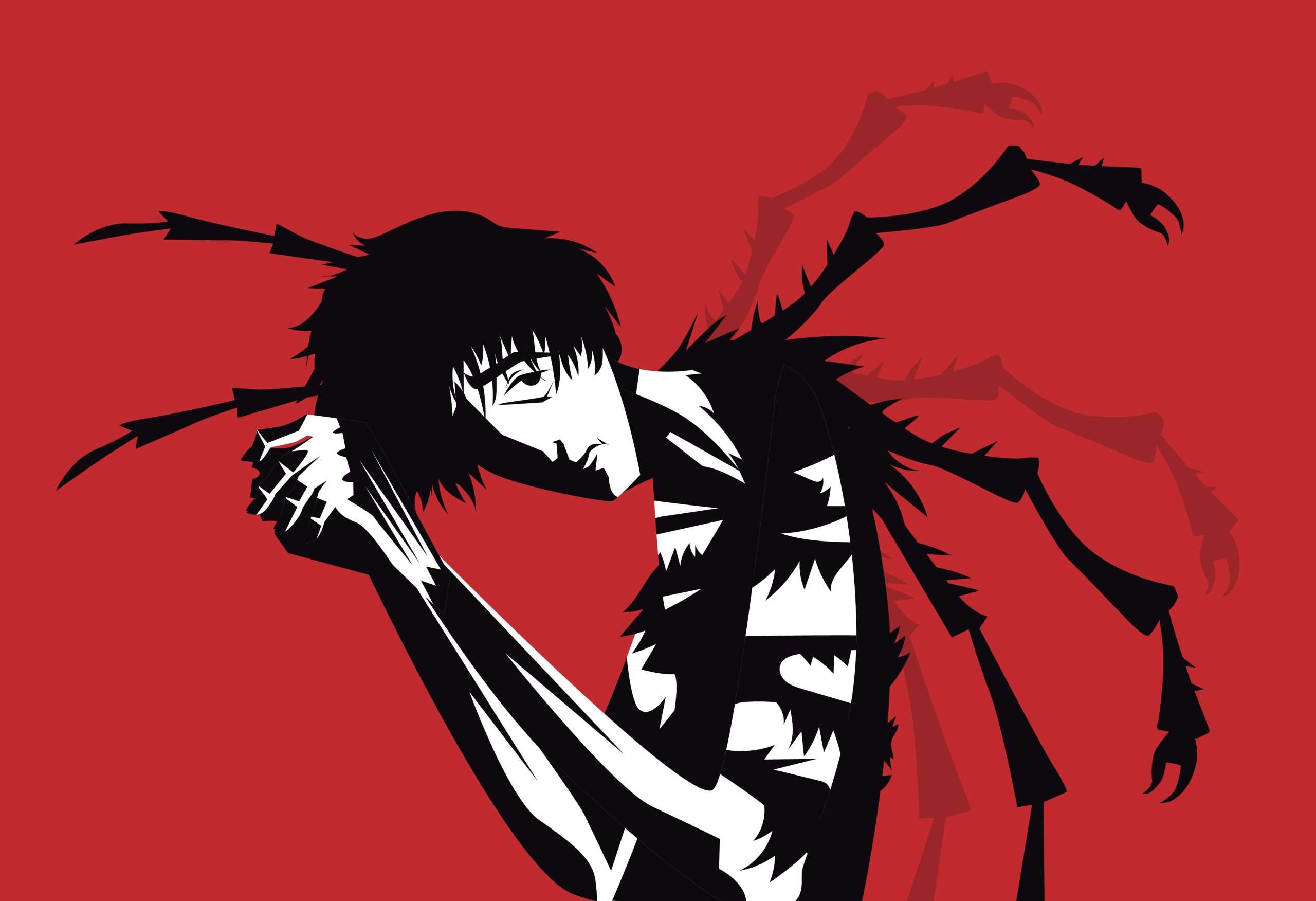
In this story, a boy named Eustace becomes a dragon—not through magic he chooses, but through the slow accumulation of selfishness, resentment, and arrogance. He wakes up trapped inside a body that perfectly reflects the person he’s become. When he tries to fix it himself, he can peel away a few layers of scales, but the core stays dragon. No matter how hard he scratches, he can’t reach what needs to change. The real transformation only begins when he surrenders and allows the great lion, Aslan, to tear the dragon skin away—a process that hurts, exposes, and ultimately frees him.
Most of us in recovery know what it is to wake up inside a life that no longer matches our intentions. The dragon skin is the armour we built—the defensiveness, the denial, the lies we told ourselves, the things we used to survive that ended up suffocating us. And like Eustace, we’ve tried to peel off the outer layers more times than we can count: the half-measures, the promises, the resolutions, the bargaining, the new rules we swore would save us. We got some relief, but reservations remained, and the deeper layer never moved.
The moment Eustace lies down is the turning point of his transformation—the point of desperation where he finally stops trying to save himself. Where self-will finally collapses and surrender becomes the only option left. That first tear going “right into my heart” feels like the exact moment we admit something we’ve been avoiding for years. The claws aren’t punishment; they’re truth. And this kind of truth always cuts before it heals.
But the water that follows—the cleansing, the relief—is the part we forget when we’re bracing for the pain. It’s the feeling that arrives after the hard conversation, the inventory, the admission we didn’t want to make. After the claws, the tenderness. After the exposure, the surprising sweetness of no longer fighting the thing we were never meant to fight alone.
And then the ending: “I’d turned into a boy again.” Eustace doesn’t emerge as a better dragon. He emerges as himself—tender, smaller, real. Recovery isn’t the invention of a new personality. It’s a return. The person underneath the scales isn’t dead. Just waiting.
Where have I been managing my own dragon skin instead of surrendering it?
What truth have I been avoiding because I know it will cut when it’s finally touched?
What layer of self-protection might be ready to come off today?
Who might I rediscover beneath all the armour I built to survive?